
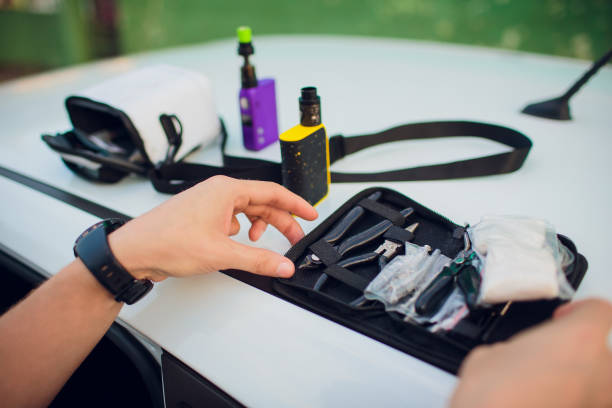
Have you ever left a vaping device inside your car, placed it near a window, or carried it loosely in your pocket?
These everyday habits might seem harmless, but they can create safety problems.
Vaping devices contain electronic components, batteries, and, in many cases, nicotine-containing liquids. Poor storage or careless handling can lead to battery damage, leaks, overheating, or accidental exposure.
Knowing how to handle and store vaping devices safely can help reduce these risks. Here are six practical ways to keep your equipment in suitable condition and avoid common mistakes.
1. Store Vaping Devices in a Cool, Dry Place
Temperature plays an important role in vape battery safety. Excessive heat can damage batteries, while extreme cold can also affect their performance.
The safest approach is to choose a storage location with a reasonably stable temperature.
Avoid Direct Sunlight and Extreme Temperatures
Leaving a vaping device on a sunny windowsill or inside a parked car can expose it to excessive heat.
Consider these basic storage habits:
- Keep devices away from direct sunlight.
- Avoid leaving them inside parked vehicles.
- Store them away from radiators and other heat sources.
- Protect devices from rain, moisture, and extreme cold.
A bedroom drawer or secure cabinet away from heat and moisture may be suitable, provided children and pets cannot access it.
2. Handle Vape Batteries With Extra Care
Batteries are among the most important components to consider when handling vaping devices. Damaged lithium-ion batteries can overheat or catch fire.
Understanding basic battery precautions can help prevent avoidable accidents.
Check Batteries Before Using Your Device
Inspect the battery and surrounding components for visible damage, especially after dropping the device.
Look for:
- Swelling or changes in battery shape.
- Damaged battery wrapping.
- Unusual heat or strange smells.
- Signs of leaking or physical damage.
If a battery appears damaged, stop using it. Never attempt to repair a swollen or leaking battery yourself.
For devices with removable batteries, use a protective battery case during storage and transportation. Loose batteries should never come into contact with keys, coins, or other metal objects.
3. Understand the Storage Requirements of Different Vape Types
Not every vaping device has the same storage requirements. Some have refillable tanks and removable batteries, while others contain sealed components.
Knowing which type you own makes it easier to follow the correct handling instructions.
Check Sealed and Refillable Devices Differently
For example, disposable vapes generally contain built-in batteries and prefilled liquid reservoirs. Their sealed construction means users should not attempt to open or modify them.
Refillable devices may require additional attention to tanks, seals, and removable components.
Regardless of the device type, inspect it for damage, keep it away from extreme temperatures, and follow the manufacturer's instructions.
Never attempt to refill a sealed device or recharge one that is not specifically intended for charging.
4. Follow Proper Charging Practices
Incorrect charging habits can increase the risk of overheating and battery failure. Charging equipment should always match the specifications recommended by the device manufacturer.
A few simple precautions can make charging safer.
Choose a Safe Charging Location
Charge vaping devices on a clean, flat, nonflammable surface where you can monitor them.
Avoid placing charging devices on beds, sofas, or underneath pillows.
Other useful precautions include:
- Use manufacturer-approved charging equipment.
- Never leave devices charging overnight.
- Disconnect charging equipment when charging is complete.
- Avoid charging damaged or wet devices.
- Do not leave charging devices unattended.
If your device becomes unusually hot while charging, disconnect it if safe to do so and stop using it.
5. Keep Vaping Devices Away From Children and Pets
Safe storage is not only about protecting electronic components. Nicotine-containing liquids can cause serious poisoning if swallowed or absorbed through the skin.
This makes secure storage particularly important in shared households.
Use Locked Storage Whenever Possible
A locked cabinet or storage box is preferable to an open shelf, especially in homes with young children.
Keep vaping devices, refill bottles, and spare components in their original containers whenever practical.
For adults who order vapes for delivery, checking packages upon arrival is another useful precaution. Make sure the contents are intact, then move them directly into secure storage rather than leaving them unattended.
If nicotine liquid spills onto the skin, wash the affected area promptly. If a child or pet may have swallowed or been exposed to nicotine liquid, seek urgent medical or veterinary advice.
6. Dispose of Damaged or Unused Devices Properly
Eventually, vaping devices stop working or become unsuitable for continued use. However, throwing them into ordinary household bins can create additional risks.
Many vaping devices contain lithium batteries and leftover nicotine liquid, so they require careful disposal.
Find an Appropriate Collection Point
According to the US Environmental Protection Agency, e-cigarettes should not be placed in ordinary household rubbish or recycling bins because damaged batteries can cause fires.
Instead, follow these steps:
- Stop using devices that show signs of damage.
- Do not puncture, crush, or dismantle sealed devices.
- Keep discarded devices secure and away from children.
- Contact a local hazardous-waste collection service for disposal instructions.
Disposal rules vary by location, so checking local requirements is important.
Conclusion
Learning how to handle and store vaping devices safely comes down to a few consistent habits.
Keep devices away from extreme temperatures, inspect batteries, follow charging instructions, and use secure storage. Understanding different device types and disposing of unwanted equipment correctly also helps reduce preventable risks.
These precautions cannot eliminate every risk associated with vaping, including its health risks. However, careful handling and suitable storage can reduce the chances of battery-related accidents, accidental nicotine exposure, and unnecessary equipment damage.

