
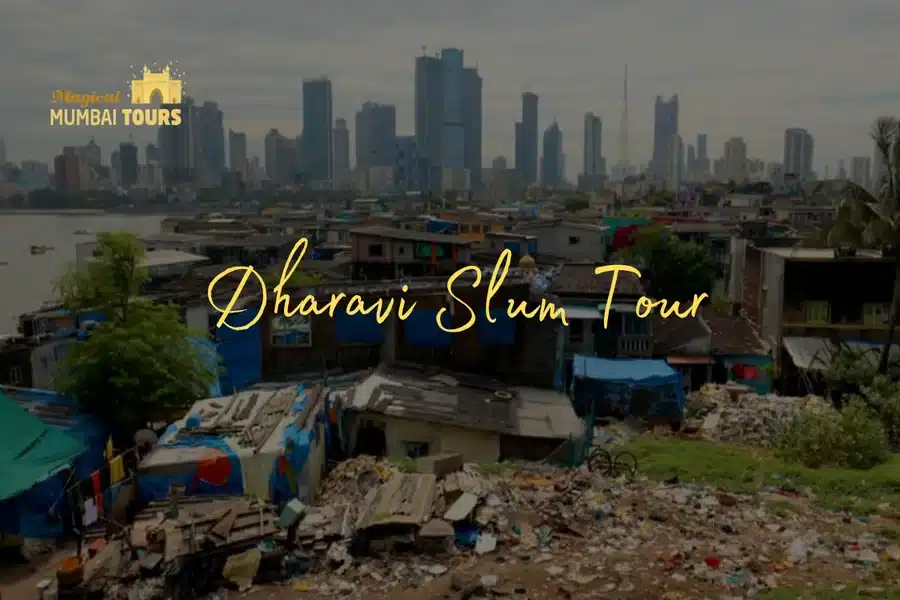
Dharavi, often labeled as one of the largest slums in Asia, has long been a symbol of the stark socio-economic divides that exist in major urban centers like Mumbai. Situated in the heart of Mumbai, Dharavi is home to over a million people, with its labyrinthine lanes, compact housing, and bustling streets painting a complex picture of life within India’s largest city. While Dharavi’s reputation might first evoke thoughts of poverty and overcrowding, it is far from just a “slum.” This vibrant community, which spans across a 2.1 square kilometer area, is a place of immense resilience, entrepreneurial spirit, and cultural diversity.
In this blog, we will explore what makes Dharavi a unique destination for visitors, not only because of its fame as a Mumbai slum but also because of its fascinating history, thriving industries, and tight-knit communities. By exploring Dharavi on a Mumbai slum tour, visitors can gain a deeper understanding of life in one of the world’s most densely populated urban areas.
A Historical Overview of Dharavi
Dharavi’s origins can be traced back to the early 19th century when the area was used as a settlement for migrants coming to Mumbai in search of work. Over time, it evolved into a vibrant community of people from all over India. Today, it is known for its intricate network of informal economies, including pottery making, recycling, textiles, and small-scale manufacturing. While Dharavi has faced many challenges such as poor infrastructure and limited access to basic services, the residents have fostered a unique sense of community and resilience that is remarkable to witness.
One of the reasons Dharavi has garnered global attention is due to its rapid population growth. In the past few decades, Dharavi’s population has soared, and the slum’s crowded streets and alleyways have become a hallmark of urban life in Mumbai. Despite the overwhelming population density, Dharavi has managed to create a strong, self-sustaining economy through its wide array of informal industries.
Life in Dharavi: Industry, Culture, and Resilience
Dharavi is often associated with various industries that thrive in the area. The slum is home to more than 10,000 small-scale businesses, with a strong focus on recycling, textiles, and pottery. Some of the products made in Dharavi, such as leather goods and pottery, are even exported worldwide. The recycling industry alone processes tons of plastic and waste materials, helping sustain local economies and reduce environmental harm.
For many visitors, the sheer scale of Dharavi’s informal industries is an eye-opening experience. On a Mumbai slum tour, visitors can witness firsthand the hustle and bustle of these industries, where families work together in small workshops, contributing to the success of the larger economic machinery of Mumbai. Dharavi is not only a symbol of poverty; it is a vibrant community of workers and creators who embody the spirit of entrepreneurship in one of the world’s most dynamic cities.
Aside from the industries, Dharavi is home to a rich cultural diversity. People from different regions of India, as well as various religious backgrounds, coexist peacefully in this tightly-knit community. The area boasts a number of temples, mosques, and churches, reflecting the religious harmony that exists within the slum. Visitors can also experience a range of cultural traditions, including local festivals and customs that have been passed down through generations.
The Challenges Dharavi Faces
While Dharavi slum tour is a thriving community in many ways, it is not without its challenges. The slum faces a number of socio-economic and environmental issues that make life difficult for its residents. Access to basic services like clean water, sanitation, and healthcare remains a significant concern. Many residents live in cramped conditions with inadequate housing, and infrastructure development in Dharavi has struggled to keep pace with its growing population.
Furthermore, Dharavi’s lack of formal urban planning and its overcrowded conditions have raised concerns over public health and safety. The region has experienced outbreaks of diseases, such as cholera and tuberculosis, in part due to its poor sanitation and limited access to medical services. Despite these challenges, the resilience of Dharavi’s residents has been on full display, with community-led initiatives and social enterprises helping to address some of these pressing issues.
One of the driving forces behind the changes in Dharavi is the involvement of local NGOs and governmental agencies, working to improve conditions by providing access to education, healthcare, and sanitation. Moreover, efforts are underway to revitalize parts of the slum, with some projects focusing on upgrading infrastructure and creating affordable housing. These initiatives aim to improve the quality of life for Dharavi’s residents while preserving the cultural and economic dynamics that make the area unique.
Dharavi’s Role in Mumbai’s Economy
Despite its challenges, Dharavi plays a critical role in the economy of Mumbai. As one of the most densely populated areas in the world, it is home to countless small businesses, and its industries contribute significantly to the local economy. The slum’s thriving informal sectors create jobs and foster entrepreneurship, allowing Dharavi’s residents to build livelihoods and support their families.
Dharavi also provides affordable labor to various industries in Mumbai, from textiles and garments to the hospitality sector. While these industries may not always adhere to formal labour laws, they remain a key component of Mumbai’s vast economy. In fact, the small-scale industries that thrive in Dharavi, including recycling and textile production, contribute millions of dollars annually to the city’s economy.
Furthermore, Dharavi’s strategic location between two of Mumbai’s major commercial hubs, Mahim and Sion, makes it an essential part of the city’s urban fabric. The area is a key player in the city’s supply chains, with its products reaching global markets. A Mumbai slum tour often highlights how Dharavi, despite its apparent poverty, is an essential cog in the wheel of Mumbai’s economy.
Conclusion
In conclusion, a Mumbai slum tour offers an opportunity to witness Dharavi’s vibrant community, its thriving industries, and the resilience of its people. While Dharavi may face significant challenges, it remains a symbol of Mumbai’s urban landscape—diverse, bustling, and filled with stories of perseverance. Visiting Dharavi not only provides insight into one of the largest slums in the world but also highlights the innovation, entrepreneurship, and cultural richness that define this unique part of Mumbai.
When exploring the city, make sure to take time for Mumbai tours that offer an inside look into its most unique and contrasting communities. Dharavi is a perfect example of how a neighborhood, despite its limitations, can serve as a testament to human strength and creativity.

