
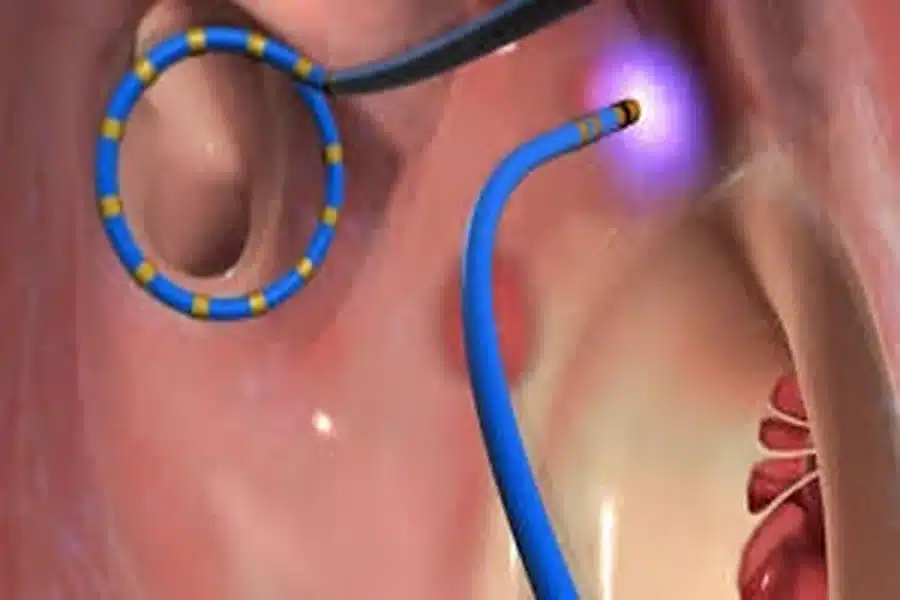
Cardiac ablation is a medical procedure used to treat heart rhythm problems, also known as arrhythmias. If the heart beats too fast, too slow, or irregularly, it can lead to serious health issues.
Cardiac ablation aims to correct these abnormal heart rhythms by using heat or cold to destroy small areas of tissue in the heart that cause the irregular beats. This procedure is commonly done when other treatments, such as medication, do not work effectively. Read more: https://cadenceheart.sg/condition/atrial-fibrillation/.
How Is Cardiac Ablation Done?
As you have see cardiac ablation is a procedure designed to fix irregular heart rhythms. The heart normally beats in a regular pattern, controlled by electrical signals.
When something goes wrong with these signals, it can cause the heart to beat too fast, too slow, or in an erratic pattern. This is where cardiac ablation comes in.
The procedure involves using either heat (radiofrequency) or cold (cryoablation) to target and destroy the small part of the heart that is causing the abnormal rhythm. These areas can interfere with the heart’s electrical signals and disrupt normal heartbeats.
Destroying or isolating the tissue causing the problem should help restore a more regular rhythm. Cardiac ablation is typically recommended for people with arrhythmias like atrial fibrillation (AFib), atrial flutter, or certain types of supraventricular tachycardia (SVT).
These conditions can lead to symptoms like heart palpitations, dizziness, shortness of breath, and fatigue. If medications or other treatments do not effectively manage these symptoms, cardiac ablation may be the next step.
The procedure itself is minimally invasive. It is usually done under local anesthesia, and patients may only need to stay in the hospital for a day or two.
A thin, flexible tube called a catheter is inserted through a blood vessel in the groin or neck and guided to the heart. Once in place, the catheter uses energy to target the abnormal tissue and restore normal rhythm.
Many people do ask; are you awake during a heart ablation? Now, during a heart ablation, patients are typically sedated to ensure comfort.
For procedures like atrial fibrillation ablation, general anesthesia may be used, rendering the patient unconscious. In contrast, treatments for conditions such as supraventricular tachycardia may involve conscious sedation which allows the patient to remain awake but relaxed.
Why Is Cardiac Ablation Done?
Cardiac ablation is done for various reasons, but it is mainly used to treat arrhythmias that cannot be managed with medication alone. For people suffering from irregular heartbeats, this procedure offers a way to address the root cause of the issue.
One of the most common reasons for cardiac ablation is atrial fibrillation (AFib). AFib is a type of arrhythmia where the heart’s upper chambers (the atria) beat chaotically instead of in a coordinated rhythm.
This can cause blood to pool in the atria, something which increases the risk of stroke and other complications. When medications or blood thinners don’t prevent AFib or its risks, your doctors may recommend ablation.
Another reason for cardiac ablation is atrial flutter. This condition involves the upper chambers of the heart beating too quickly, often causing symptoms like dizziness or shortness of breath.
Atrial flutter can be treated effectively with ablation, as it targets the areas of the heart responsible for the rapid heart rate. Supraventricular tachycardia (SVT) is another condition that can be managed with cardiac ablation.
SVT occurs when the electrical signals in the heart’s upper chambers fire too rapidly, leading to a very fast heart rate. This can cause chest pain, fatigue, and fainting. Cardiac ablation can correct these issues and provide relief for those suffering from frequent episodes.
In some cases, ablation is also done for other arrhythmias that interfere with the heart’s rhythm and cannot be treated with medication. The goal is to improve quality of life, reduce symptoms, and lower the risks of more severe complications, like stroke or heart failure.
What to Expect During and After Cardiac Ablation?
If you’re scheduled for cardiac ablation, you may want to know beforehand what happens during and after the procedure for you to feel more prepared and confident. During the procedure, you will be given a local anesthetic to numb the area where the catheter will be inserted.
You will also receive sedation to keep you relaxed and comfortable, but you will remain awake. The doctor will make a small incision in the groin or neck to insert the catheter. The catheter will be guided through your blood vessels to the heart. Once the catheter reaches the heart, it will deliver energy (heat or cold) to the abnormal tissue.
The procedure usually takes a few hours, depending on the complexity of your condition. You may feel some pressure or a mild sensation during the procedure, but it should not be painful.
Most people are able to go home the same day or the next day, though some may need to stay overnight for observation. After the procedure, it is important to rest and avoid strenuous activity for a few days.
You may experience some mild discomfort or soreness at the site where the catheter was inserted, but this usually resolves on its own. You will also need to follow up with your doctor for routine check-ups to ensure the procedure was successful and monitor your heart’s recovery.
It may take a few weeks to feel fully recovered. During this time, you might notice an improvement in your symptoms, such as fewer palpitations or less shortness of breath. However, it’s important to keep in mind that results can vary. In some cases, a follow-up procedure may be needed if the arrhythmia returns
In Closing
If done correctly for the right candidates, cardiac ablation can help restore normal heartbeats and improve your overall quality of life, especially for those who have not found relief through medications. If you’re struggling with heart arrhythmias, consult a cardiologist to see if cardiac ablation is the right choice for you.
If you’re considering cardiac ablation or have questions about heart health, consult with a qualified cardiologist in Singapore for personalized advice and treatment options. Find a knowledgeable cardiologist for cardiac ablation in Singapore below:
