
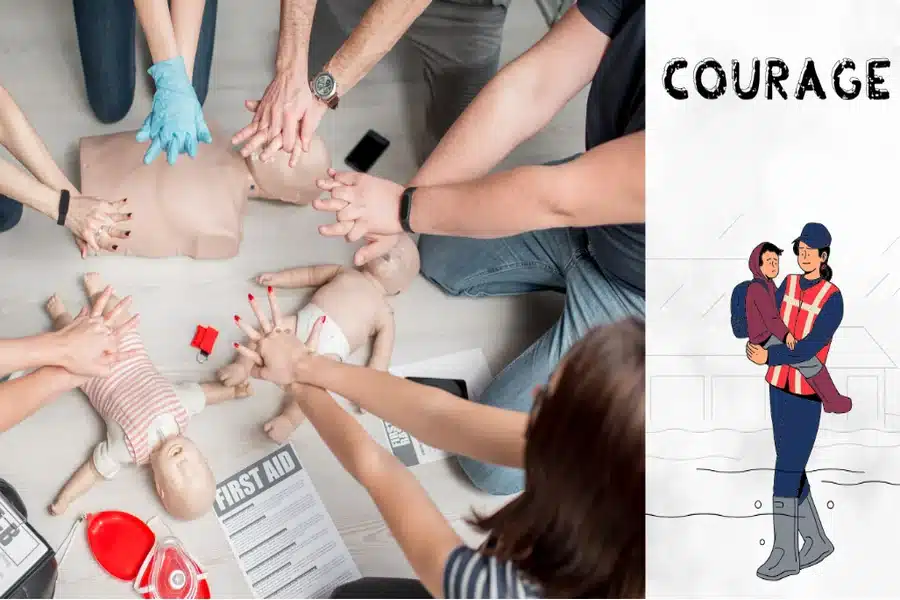
From superhero films to realistic web series and survival thrillers, modern media is brimming with stories that highlight human courage in the face of chaos. These narratives aren’t just entertaining—they reflect something deeper: our desire to feel capable in emergencies. That’s why training for CPR and first aid is becoming increasingly relevant—not just for health professionals, but for everyday individuals who want to be ready for real-life emergencies.
The Power of Storytelling in Shaping Behavior
For centuries, storytelling has been humanity’s way of passing on values and survival skills. But in the digital age, these stories have evolved into full-blown visual and emotional experiences. Whether it’s a firefighter drama on Netflix or a documentary on humanitarian efforts in disaster zones, the message remains the same: knowledge saves lives.
Media influences behavior. When a TV character saves someone using CPR, it plants a seed of possibility. Viewers start to imagine themselves in similar roles. What used to be considered “just a show” becomes the starting point for real-life decisions—like signing up for a first aid course, creating a go-bag, or volunteering for emergency services.
Millennials and Gen Z: More Than Just Spectators
Contrary to the myth that younger generations are disconnected or indifferent, studies show that Millennials and Gen Z are actively seeking purpose-driven activities. They’re turning to the media not just for escapism, but for meaning. And the media is delivering—through documentaries on climate change, films about rescue operations, and even podcasts about emergency preparedness.
These generations are also more likely to take action after consuming content that moves them. Whether it’s joining a local community group, attending a workshop on disaster readiness, or donating to global crisis relief efforts, they understand that knowledge paired with action creates impact.
Content That Makes You Ask, “What Would I Do?”
One of the most compelling aspects of today’s media is how often it prompts introspection. After watching a crisis unfold on screen—be it a plane crash, an earthquake, or a sudden heart attack—many viewers are left wondering, “Would I know what to do?”
This self-reflection isn’t just emotional; it can lead to tangible change. People start Googling “basic first aid tips,” watching tutorial videos, and sharing life-saving techniques on social media. Some even take the next step and enroll in formal training programs.
Social Media and the Rise of the Civilian Hero
There’s been an uptick in real-life videos showing ordinary people stepping in during emergencies—pulling someone from a burning car, administering CPR at a gym, or stopping traffic to assist the injured. These clips go viral not just because of the shock factor, but because they resonate with our shared hope that, if needed, we could do the same.
Social media has become a stage where everyday heroism is both documented and celebrated. It has normalized the idea that you don’t have to be in uniform to make a difference—you just have to be prepared and willing.
Entertainment That Educates Without Preaching
The best part about the media’s evolving narrative is how it weaves educational content into compelling stories. Take series like 9-1-1, Grey’s Anatomy, or even true-crime reenactments. While dramatized, they often include accurate depictions of emergency response techniques and decision-making under pressure.
Even films not directly related to rescue or healthcare sometimes contain scenes that highlight the importance of quick thinking and basic skills. The subliminal message: anyone can be useful in a crisis if they know what to do.
Final Thoughts: Embrace Your Inner Hero
WordStreet Journal readers appreciate deeper insights and meaningful content. This trend of turning passive viewers into active participants fits perfectly into that ethos. As the media continues to showcase acts of courage and compassion, it’s our turn to internalize those messages.
You don’t need a uniform or a movie script to be someone’s hero. Whether it’s learning how to perform CPR, understanding mental health first aid, or just being more aware of your surroundings—your actions matter. Today’s entertainment might just be tomorrow’s motivation.
So the next time a scene grips your heart or a storyline lingers in your mind, ask yourself: What if it were real? And more importantly—would you be ready?
