
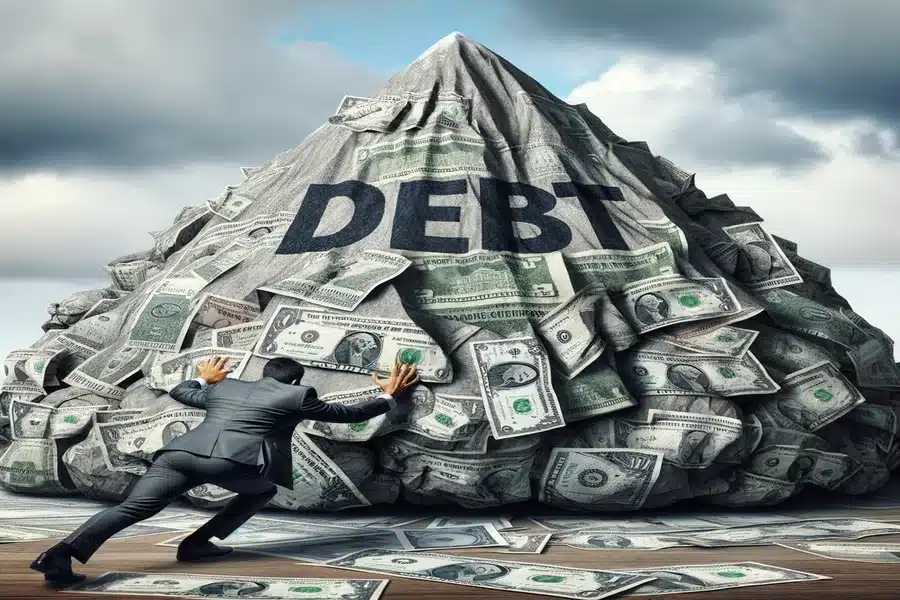
Debt consolidation has become a popular strategy for individuals struggling with multiple loans and credit card bills. But how does it affect your credit score, especially in Australia? Let’s dive into the details of how debt consolidation works and its impact on your credit score.
What is Debt Consolidation?
Debt consolidation is the process of combining several outstanding debts into a single, manageable loan. This can include credit card debts, personal loans, and even mortgages. The goal is to simplify your repayments by merging multiple debts into one loan, usually with a lower interest rate. This can make paying off your debts more manageable.
How Debt Consolidation Works
Debt consolidation typically involves taking out a new loan to pay off existing debts. This loan may be secured (using assets as collateral) or unsecured (no collateral required). Once the consolidation is complete, you’ll only have to focus on repaying the new loan instead of juggling multiple payments.
The Role of Credit Scores in Australia
Before we explore the impact of debt consolidation Australia, let’s take a look at how credit scores work in Australia and why they matter.
What is a Credit Score?
A credit score is a numerical representation of your creditworthiness, indicating how likely you are to repay borrowed money. In Australia, credit scores typically range from 0 to 1,000, with higher scores indicating better creditworthiness. Lenders use this score to determine whether they should approve a loan application.
How is Your Credit Score Calculated in Australia?
In Australia, your credit score is calculated based on various factors, including your payment history, amount of debt, length of credit history, and recent credit inquiries. The more responsible you are with credit, the higher your score will be. Regular, on-time payments and low credit utilization are key factors in improving your score.
How Debt Consolidation Affects Your Credit Score
Now, let’s discuss how debt consolidation Australia influences your credit score both in the short term and in the long run.
Initial Impact on Your Credit Score
When you first apply for a debt consolidation loan, there’s often a temporary dip in your credit score. This is because applying for a new loan results in a hard inquiry, which can lower your score slightly. However, this dip is usually short-lived.
Long-Term Effects of Debt Consolidation
Over time, debt consolidation can have a positive effect on your credit score, provided you manage your finances properly. By reducing your debt-to-income ratio and making on-time payments, your credit score will likely improve.
Positive Impact on Credit Score
If you consistently make timely payments on your consolidated loan, your credit score will improve as your payment history reflects positively. Additionally, consolidating high-interest debts into one lower-interest loan can help you pay off your debt more efficiently.
Negative Impact on Credit Score
On the flip side, if you miss payments or fail to stick to the terms of your new loan, it can harm your credit score. Defaulting on the loan can also lead to severe consequences, including increased debt and a significant drop in your credit score.
Factors That Influence the Impact of Debt Consolidation on Your Credit Score
Not all debt consolidation scenarios are the same. Several factors influence how this process affects your credit score.
Debt-to-Income Ratio
Your debt-to-income ratio is the proportion of your income that goes towards paying off your debt. If your ratio is high, consolidating your debt can help lower it, leading to a better credit score.
Timely Repayments and Payment History
The most crucial factor affecting your credit score after debt consolidation is your repayment behavior. Consistently making payments on time demonstrates financial responsibility and improves your creditworthiness.
Is Debt Consolidation Right for You?
Debt consolidation isn’t suitable for everyone. Let’s explore when it might be a good choice and when it might not be.
When Debt Consolidation Can Be a Good Choice
Debt consolidation is a good option if you have multiple debts with high-interest rates and are struggling to keep up with payments. It can also be useful if you want to simplify your financial life by consolidating multiple bills into a single monthly payment.
When Debt Consolidation Might Not Be the Best Option
However, debt consolidation might not be right for you if you have a poor credit score or if the interest rate on the consolidation loan is higher than what you’re currently paying. Additionally, if you are not committed to making timely payments, it could worsen your financial situation.
Tips for Managing Your Credit Score After Debt Consolidation
Once your debt consolidation process is complete, maintaining a good credit score requires ongoing effort. Here are some tips to keep your score healthy.
Maintaining Healthy Financial Habits
Adopt good financial habits, such as budgeting, avoiding unnecessary debt, and building an emergency fund. This will help you stay on top of your finances and prevent future financial crises.
Regularly Monitoring Your Credit Score
Regularly check your credit score to ensure that your repayments are being reported accurately. If you spot any errors, dispute them immediately with the credit reporting agency.

