
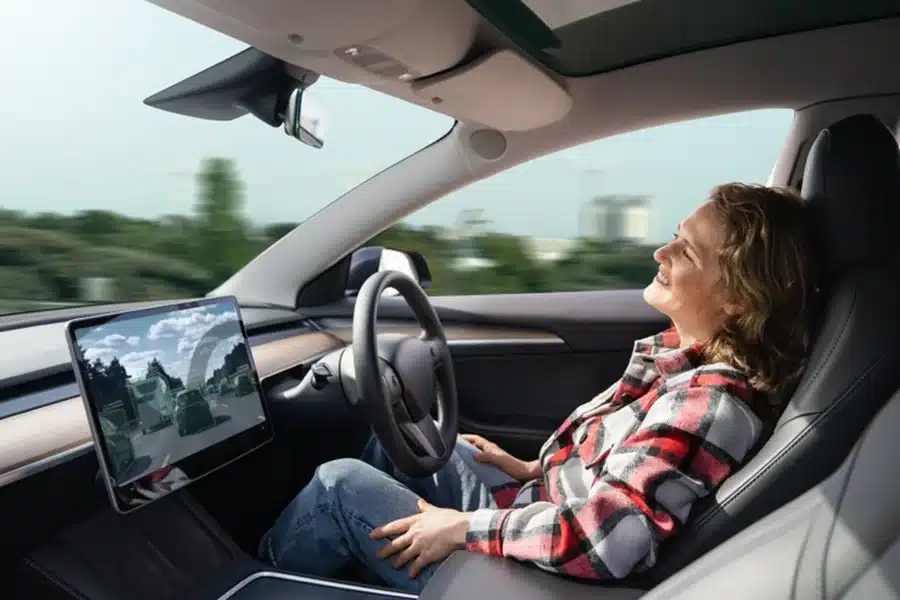
Modern vehicles come equipped with semi-autonomous driving systems that promise safer roads. These technologies assist drivers with lane keeping, adaptive cruise control, and automatic emergency braking. However, when accidents happen, these features can complicate fault assessment. Consulting a Fort Collins car accident attorney is crucial to navigating these new challenges if you are involved in a crash.
Understanding Semi-Autonomous Systems
Semi-autonomous driving systems combine human control with automated functions. They are designed to reduce driver workload and increase safety, but they do not make the car fully self-driving. Drivers must remain attentive and ready to take over at any moment.
Examples include Tesla’s Autopilot, GM’s Super Cruise, and Ford’s Co-Pilot360. These systems use sensors, cameras, and software to help maintain speed, distance, and lane position. They are not perfect and can sometimes misinterpret road conditions or traffic.
This shared control creates questions about responsibility. Determining who is at fault becomes complicated if a crash occurs while a driver assistance feature is active. The driver, the car manufacturer, or the software developer could all share liability.
How Technology Confuses Fault Determination
In traditional car accidents, fault often hinges on driver behavior. Speeding, distracted driving, or failure to yield are common causes. But with semi-autonomous systems, it’s harder to isolate human error from technological failure.
For example, if an automatic emergency braking system fails to stop the car in time, was it a malfunction, or did the driver ignore warnings? If lane assist nudges a vehicle into another lane, did the driver override it, or was the system defective?
Accident investigators now need to examine data from the vehicle’s onboard computers. This “black box” data can show how the system operated during the crash. However, interpreting this information requires specialized expertise and access, which isn’t always easy.
Manufacturer Liability And Product Defects
Car makers may face liability if a semi-autonomous system malfunctions. Product liability claims can arise if a design defect, manufacturing error, or failure to provide adequate warnings contributed to the accident. However, proving these defects can be challenging.
Manufacturers often argue that drivers must remain in control and use the systems responsibly. User manuals and disclaimers typically emphasize this point. This shifts some responsibility back to the driver.
Still, courts may scrutinize how these systems are marketed and tested as technology advances. If manufacturers overstate their capabilities, they could be held accountable for misleading consumers. This evolving legal landscape means cases involving driver assistance features are often complex.
Driver Responsibility And Misuse
Drivers using semi-autonomous features sometimes overestimate the technology’s capabilities. This can lead to distracted driving or inattention, increasing the risk of crashes. In legal terms, such misuse can weaken a driver’s claim or shift blame.
For instance, if a driver falls asleep or looks away while the car is in semi-autonomous mode, liability usually falls on them. Courts generally hold that these systems are aids, not replacements for active driving.
Understanding proper use is critical. A Fort Collins car accident attorney can help demonstrate whether the driver used the technology correctly or ignored warnings. This evidence can significantly influence case outcomes.
Insurance Implications And Claims Handling
Insurance companies are still adapting to crashes involving semi-autonomous systems. They may request detailed data from the vehicle to assess fault and damage. Some insurers have started training adjusters on technology-related issues.
In some cases, insurers might argue that a crash was caused by driver negligence, not system failure. Others might try to hold manufacturers responsible. This creates complicated disputes about coverage and compensation.
Working with a knowledgeable attorney ensures your claim accounts for all relevant factors. They can help gather technical evidence and negotiate with insurers familiar with these modern technologies.
Challenges In Local Court Cases
In Larimer County and Fort Collins, courts are seeing an increase in cases involving advanced vehicle technology. Judges and juries may have a limited understanding of how these systems work, so clearly explaining technical details is essential.
Expert witnesses often play a key role in these cases. Engineers or accident reconstruction specialists can clarify how semi-autonomous features operate. Their testimony can help establish whether a malfunction or driver error was the cause of the accident.
Legal precedents are still developing in this area. Each case may set new standards for liability and responsibility. Staying informed about these changes is essential for anyone involved in a crash with modern driver aids.
Conclusion
Semi-autonomous driving systems offer new safety benefits but also create legal uncertainties. Determining fault in crashes involving these features is often more complex than traditional cases. A Fort Collins car accident attorney can provide crucial guidance when technology clouds responsibility.

