
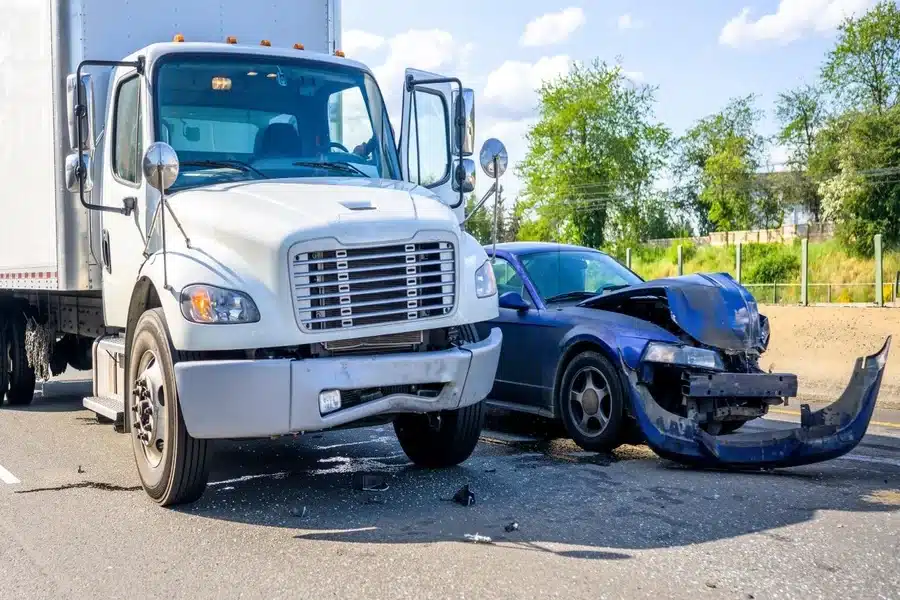
Getting injured in a crash with a commercial vehicle can turn your life upside down. These cases are often more complicated than regular car accidents because they involve multiple parties and strict regulations. That’s why many people turn to a Denver truck accident attorney for help navigating the process. However, even before consulting a lawyer, it is helpful to understand how Colorado law addresses personal injury claims involving commercial vehicles. This quick guide will walk you through the basics in a clear, straightforward way.
What Makes Commercial Vehicle Claims Unique
Claims involving commercial vehicles differ because they often involve more than just the driver, such as companies, contractors, or even manufacturers. These vehicles also follow stricter safety regulations, which can affect liability. Plus, the insurance policies involved usually have higher limits, which means more is at stake for everyone involved.
Understanding Fault in Colorado
In Colorado, fault matters because it follows a rule called modified comparative negligence. That means if you’re partly to blame for what happened, your compensation could be reduced, or denied entirely if you’re more than 50 percent at fault. Understanding how fault is calculated is crucial to determining the potential value of your case.
Who Can Be Held Responsible in These Cases
When a commercial vehicle is involved, determining who is legally responsible can be complicated. It’s not just about the driver because there are often multiple players behind the scenes who could share the blame. Here’s a breakdown of who might be held accountable in a personal injury claim:
Commercial Driver
The driver is often the first person considered in a claim, especially if they were speeding, distracted, or breaking traffic laws. If the driver was negligent in any way, like driving while tired or under the influence, they could be personally liable.
Trucking Company or Employer
Companies can be held responsible for the actions of their employees while on the job. If they failed to train the driver properly, ignored safety standards, or pushed unrealistic schedules, that could count as negligence.
Maintenance Provider
Commercial vehicles require regular inspections and maintenance to stay safe on the road. If a third-party company was responsible for upkeep and missed something critical (like faulty brakes or worn-out tires) they could be liable.
Vehicle or Parts Manufacturer
Sometimes, accidents occur due to defective parts, such as tires, brakes, or steering components. In those cases, the company that made or sold the defective part might be held accountable under product liability laws.
Cargo Loaders or Shipping Companies
Improperly loaded or unsecured cargo can cause a truck to become unstable or spill its load. If a separate company handled the loading and didn’t follow safety rules, they could share fault in the incident.
Types of Compensation You Might Be Eligible For
If you’ve been injured in a crash involving a commercial vehicle, you may be wondering what kind of compensation you can actually pursue. Colorado law allows for several types of damages, depending on how the accident affected your life. Here’s a simple breakdown of what you might be eligible for:
Medical Expenses
This includes everything from your emergency room visit to ongoing physical therapy or surgeries. You can also claim future medical costs if your injuries require long-term care or treatment.
Lost Wages
If you had to miss work because of your injuries, you can ask to be compensated for that lost income. This also applies if your injuries prevent you from returning to the same job or earning the same income in the future.
Pain and Suffering
These are non-economic damages that cover the physical pain and emotional stress caused by the incident. It’s harder to put a dollar amount on these, but they’re often a big part of a personal injury claim.
Property Damage
If your car or personal belongings were damaged in the crash, you can include repair or replacement costs in your claim. This also applies to items inside the vehicle at the time of the incident, like phones, laptops, or child car seats.
Loss of Enjoyment or Quality of Life
If your injuries keep you from doing things you love (like hobbies, sports, or spending time with family) you might be entitled to compensation for that loss. These damages acknowledge the changes in your lifestyle that resulted from the crash.
The Role of Insurance in These Claims
Insurance plays a big role in commercial vehicle claims because the policies are often much larger than standard auto insurance. That means the insurance company has more to lose, and they’ll usually fight harder to protect their bottom line. This is why many people find it helpful to have legal support when dealing with commercial insurers.
Deadlines You Need to Know About
In Colorado, you typically have two years to file a personal injury claim; however, this timeline can vary depending on the specific details. If a government entity owns the vehicle involved, for example, you may have only 180 days to provide notice. Missing a deadline can mean losing your right to compensation, so it’s essential to act quickly.
Wrapping Up
Dealing with a commercial vehicle injury claim can feel overwhelming, but knowing how Colorado law works gives you a solid starting point. Every case is different, which is why having the right support can make all the difference. If you’re unsure about your next steps, talking to a Denver truck accident attorney can help you understand your options and protect your rights.

