
Most people are familiar with the concept of black boxes in airplanes. However, many people are unaware that commercial buses also have similar systems, quietly recording critical data. This information can be invaluable for passengers injured in a crash, especially when working with a Greyhound Bus accident attorney.
What Is A Bus “Black Box”?
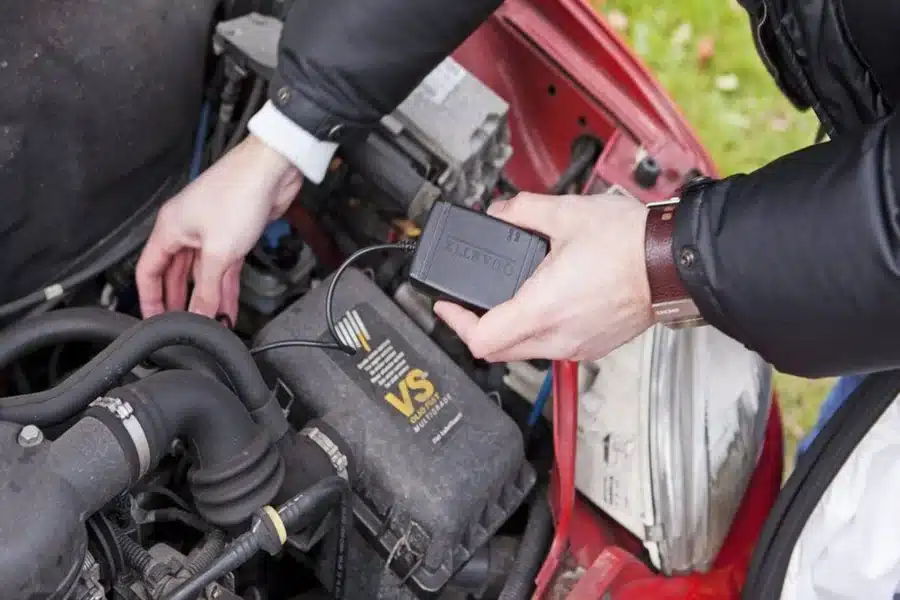
Like airplanes, many buses are equipped with Event Data Recorders (EDRs). These systems continuously capture technical information about the vehicle’s operation. Data can include speed, braking activity, engine performance, and even steering angles.
Some EDRs also record time-stamped events, such as when the brakes were applied or if the driver wore a seatbelt. This data is stored automatically and can cover several minutes before and after an incident. In short, it provides a snapshot of the vehicle’s actions during the crash.
Because this information is generated without human input, it’s often seen as objective and trustworthy in legal cases. When witnesses disagree or memories fade, black box data provides a digital version of the truth.
GPS Tracking And Route Logs
In addition to EDRs, buses are usually equipped with GPS tracking systems. These devices track the vehicle’s location, speed, and route in real-time. In a crash, this information can show exactly where the bus was and how fast it was going.
GPS logs can also reveal whether the driver made unauthorized stops or deviated from the planned route. That can matter in cases where fatigue, distraction, or policy violations are suspected. GPS data might prove that a driver skipped mandatory rest breaks.
This evidence is often combined with time cards, dispatch logs, and cell phone records to reconstruct a complete picture. When analyzed together, these digital breadcrumbs become powerful tools in injury claims.
In-Vehicle Cameras And Internal Monitoring
Many commercial buses are now equipped with internal cameras. These may monitor both the driver and the passenger cabin. Some systems even use AI to detect distracted driving behaviors or track passenger movement during the trip.
Video footage can clarify what happened in a collision. Did a passenger fall because of a sudden stop? Was the driver using a phone? Did mechanical failure cause a loss of control? Cameras can provide answers that would otherwise be impossible to confirm.
Internal monitoring systems also collect data on acceleration, turning, and harsh braking. These metrics can support or challenge driver statements about how the bus was handled in the moments leading up to a crash.
Passenger Rights And Data Use
Many passengers are unaware that they’re being recorded or that their trip generates a significant amount of data. While most companies include this information as part of their service, it’s easy to overlook. Still, the data exists and can be critical when passengers are hurt.
Passengers have a legal right to pursue access to relevant data if they are involved in an accident. A lawyer can request this information through legal channels, often via a process known as discovery. The bus company must preserve and hand over this data if it may serve as evidence.
However, not all companies are quick to cooperate. Sometimes data is lost, overwritten, or withheld. That’s why time matters. The sooner a claim is filed, the better the chances of securing the digital evidence before it’s erased or corrupted.
How This Data Helps Injury Claims
For accident victims, black box and monitoring data can be game-changing. They can confirm that a driver was speeding, show mechanical failure, or reveal patterns of unsafe operation, which can shift the outcome of a case in the victim’s favor.
For example, if the driver claims the crash was unavoidable due to sudden weather, data may indicate that the bus was traveling at an unsafe speed. GPS and time logs may reveal negligence in training, supervision, or route planning if the company denies liability.
Data-backed claims tend to carry more weight with insurance companies and in court. When negotiating settlements or proving liability, objective information is far more effective than conflicting personal accounts.
Conclusion
Today’s commercial buses carry more than just passengers—they have digital records of nearly everything that happens on board. This data can be crucial in the event of an accident. A skilled Greyhound Bus accident attorney can use it to help victims uncover the truth.

