
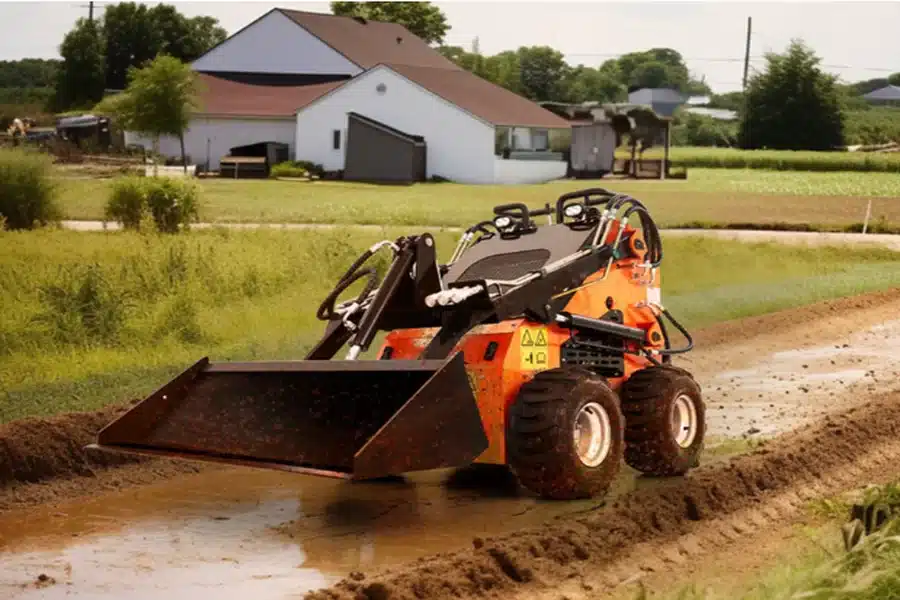
Running a productive farm means juggling a thousand moving parts—literally and figuratively. When it comes to handling feed and bedding, efficiency isn’t just nice to have—it’s essential. Whether you’re managing a dairy barn, a poultry house, or a small livestock operation, the right equipment can make all the difference. Enter the mini skid steer loader: a compact workhorse that can take on tough tasks without taking up too much space.
Let’s take a closer look at how these machines streamline feed and bedding operations—and why more farmers are adding them to their toolkits.
Why Material Handling Matters More Than Ever
Feed and bedding are two of the most labour-intensive and repetitive tasks on any farm. Moving heavy bags, scooping bulk feed, laying down straw—it all takes time and a fair bit of muscle. And when you’re short on hands (as many farms are), those daily jobs can quickly eat into your productivity and wear down your workforce.
On top of that, how you handle feed and bedding has a direct impact on livestock health and comfort. Spoiled feed or insufficient bedding can lead to stress, illness, or even injury among animals, not to mention higher costs down the line.
That’s why investing in the right equipment is about more than saving time—it’s about protecting your animals and your bottom line.
What Makes Mini Skid Steer Loaders So Useful?
Mini skid steer loaders are smaller than traditional skid steers, but don’t let their size fool you. They pack plenty of power and are designed to fit into tight spaces, like the narrow aisles of a barn or between rows of pens. Here’s what sets them apart:
- Manoeuvrability: Their compact footprint makes them ideal for tight barns and stalls.
- Attachment versatility: With the right attachments—like buckets, pallet forks, or bale spears—you can switch tasks in minutes.
- Ease of use: Most models are intuitive to operate and require minimal training.
- Terrain-ready: Whether it’s dry dirt, muddy paddocks, or slick concrete, mini skid steers are built to handle uneven and changing conditions.
They’re a perfect fit for small to medium farms, or even larger operations that need to supplement their larger equipment with something more nimble.
Boosting Efficiency with Feed Management
Feeding livestock is one of those tasks that never stops, morning and night, rain or shine. A mini skid steer makes it faster and easier:
- Load and distribute bulk feed: Quickly move large quantities from storage to feeding areas without lifting by hand.
- Minimise waste: Precise bucket control means you only drop feed where it’s needed.
- Safer handling: Transporting heavy feed bags or bins is less risky when done by machine.
With the right attachment, you can also lift and stack pallets of feed or grain bags, reducing the wear and tear on your own body while increasing daily throughput.
Making Bedding Management a Breeze
Anyone who’s ever mucked out stalls or spread fresh bedding knows it’s not glamorous work, but it’s critical for animal welfare.
Mini skid steers simplify both sides of the bedding process:
- Cleaning out: Use a grapple or bucket to remove soiled bedding quickly and cleanly.
- Spreading new material: Attach a spreader bucket or broom to evenly distribute straw, shavings, or sawdust.
- Improving hygiene: More frequent and thorough cleaning can reduce odor, ammonia buildup, and potential infections.
When chores like these get easier, they tend to get done more often—and that’s a win for your animals and your workload.
Real-World Payoffs for Farmers
Switching to a mini skid steer can deliver real, measurable benefits:
- Time savings: Tasks that used to take hours can be finished in minutes.
- Reduced labour strain: Fewer injuries and less fatigue among workers.
- Long-term cost efficiency: Less manual effort means fewer labour hours and lower health risks for both people and animals.
One popular choice among farmers looking for performance and affordability is the AHM mini skid steer loaders. With robust lifting capacity, intuitive controls, and compatibility with a wide range of attachments, it offers a great return on investment, especially for those managing smaller spaces or mixed animal operations.
How to Choose the Right Mini Skid Steer
Not all machines are created equal, so here are a few things to keep in mind:
- Lifting capacity: Make sure it can handle the weight of your heaviest materials.
- Attachment options: Look for universal quick-attach systems to give you flexibility.
- Fuel type: Diesel and gas offer more power, while electric models are ideal for enclosed barns with ventilation concerns.
- Ease of maintenance: Opt for models with easily accessible service points and robust dealer support.
If you’re just starting or upgrading from older equipment, consider discussing a demo with your supplier. Seeing it in action on your property can be a game-changer.
Safety and Maintenance Tips
Like any farm equipment, mini skid steers should be treated with respect. Here’s how to stay safe and keep your machine running smoothly:
- Train all operators on proper controls and attachment changes.
- Inspect daily for hydraulic leaks, tire wear, and any loose components.
- Keep a cleaning schedule, especially if used inside livestock housing.
- Adjust your workflow by season—snow and mud require extra caution and possibly different tires or tracks.
A well-maintained machine is a reliable partner, not just a tool.
Conclusion
Mini skid steer loaders might not be the flashiest tool on the farm, but they’re one of the hardworking. From hauling feed to refreshing bedding, they help you get more done with less effort—and create a healthier, more efficient environment for your animals. If you’re looking to modernise your material handling without overspending or over-equipping, a mini skid steer could be just what your operation needs.

