
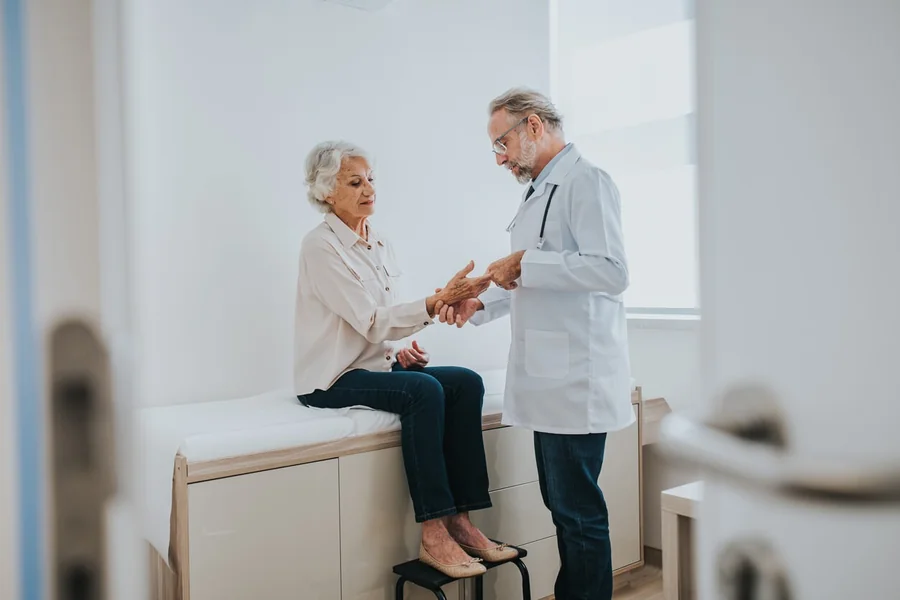
In the intricate tapestry of healthcare, your role as a medical professional is pivotal when addressing the complexities of personal injuries. As you navigate the challenges of diagnosing and treating these injuries, your expertise not only alleviates physical pain but also plays a crucial part in your patients’ emotional recovery. Whether you are looking for a personal injury attorney nassau county, this article delves into your multifaceted responsibilities, from acute care to rehabilitation, highlighting your profound impact on restoring health and hope.
Understanding Personal Injuries: Causes and Consequences
Causes of Personal Injuries
Personal injuries stem from a multitude of causes, each with distinct implications. Common sources include automobile accidents, which often result in minor and severe injuries. Workplace incidents are also prevalent, often occurring where safety measures are lacking or ignored. Additionally, everyday activities can unexpectedly lead to mishaps, such as slips and falls, which often result in sprains or fractures.
Consequences of Personal Injuries
The impact of personal injuries extends far beyond physical harm. Emotional distress can manifest, affecting mental health and overall well-being. Furthermore, the financial burden incurred from medical expenses, coupled with potential loss of income due to incapacitation, can be overwhelming. Recognizing the multifaceted nature of these consequences is crucial for prevention and effective treatment.
The Critical Role of Medical Professionals in Personal Injury Recovery
Personalized Care and Expertise
Medical professionals play a crucial role in personal injury recovery by providing personalized care tailored to each patient’s specific needs. Their deep-rooted expertise ensures an accurate diagnosis and effective treatment plan, addressing immediate injury concerns and long-term health implications. By leveraging their specialized knowledge, they can identify complications early, helping to prevent further injury and promote a smoother recovery journey.
Multidisciplinary Approach
A multidisciplinary approach involves collaboration among doctors, physical therapists, and other healthcare providers. This teamwork ensures comprehensive care, encompassing pain management, rehabilitation, and psychological support. Each professional contributes their distinct skills, creating a holistic treatment plan that addresses all facets of recovery, ultimately leading to better patient outcomes.
Ongoing Support and Guidance
Beyond initial treatment, medical professionals provide ongoing support and guidance, playing a crucial role in monitoring progress and adjusting care plans as needed. This continuous engagement fosters a supportive environment, empowering patients to regain confidence and return to their daily routines with minimal setbacks.
Key Treatments for Personal Injuries: From Diagnosis to Rehabilitation
Diagnosis and Immediate Care
The initial step in addressing personal injuries is precise diagnosis. Medical professionals employ a combination of physical examinations, imaging techniques such as X-rays and MRIs, and patient history to determine the extent of the injury. Immediate care often involves pain management and stabilizing the patient to prevent further harm.
Tailored Treatment Plans
Post-diagnosis, tailored treatment plans are crafted. Depending on the severity of the injury, these may include medication, physical therapy, or surgery. Medication is frequently used to manage pain and inflammation, while surgical interventions are reserved for severe cases requiring structural repair.
Rehabilitation and Recovery
The journey to recovery involves comprehensive rehabilitation programs. These are designed to restore function and mobility, incorporating physical therapy, occupational therapy, and sometimes psychological support to address emotional impacts. Successful rehabilitation is crucial for regaining independence and enhancing quality of life.
The Importance of Collaborative Care in Personal Injury Cases
Holistic Approach to Personal Injury Treatment
In the realm of personal injury cases, collaborative care is paramount. Medical professionals, including doctors, therapists, and specialists, play a crucial role in ensuring comprehensive recovery. Patients receive a holistic treatment plan that addresses physical and psychological needs by integrating their expertise. This multidisciplinary approach speeds up recovery and reduces the risk of long-term complications.
Seamless Communication
Effective collaboration hinges on seamless communication among healthcare providers. Regular updates and consultations ensure that each professional involved in the care process is informed of the patient’s progress. This synchronized effort improves decision-making and fosters a supportive environment for the patient.
Patient-Centered Care
The goal is to deliver patient-centered care, prioritizing individual needs and preferences. When medical professionals collaborate, they empower patients to actively participate in their recovery journey, leading to better outcomes and improved overall well-being.
The Future of Personal Injury Treatment: Innovations and Opportunities
Technological Advancements
The landscape of personal injury treatment is evolving rapidly, with technology at the forefront. Telemedicine is transforming the way care is delivered, enabling patients to consult specialists from the comfort of their own homes. This approach not only increases accessibility but also expedites the treatment process. Moreover, artificial intelligence is being leveraged to enhance diagnostic accuracy, offering personalized treatment plans and predicting recovery outcomes efficiently.
Integrative Approaches
Embracing a holistic approach, medical professionals are exploring integrative therapies. These include combining traditional medical treatments with complementary practices, such as acupuncture and physical therapy, to address both physical and emotional well-being. Such methods aim to improve patients’ overall recovery experiences and quality of life.
Future Opportunities
As these innovations unfold, healthcare practitioners must remain adaptable, embracing new methodologies to meet patients’ evolving needs. Collaborating across disciplines and fostering continuous education will be crucial in harnessing these opportunities for optimal patient care.
Final Thoughts
As you reflect on the indispensable role of medical professionals in treating personal injuries, it’s clear that their expertise extends far beyond mere clinical intervention. Whether looking for a personal injury attorney nassau county, your understanding of their compassionate approach and dedication to patient recovery underscores their profound impact on individual lives and community well-being.
