
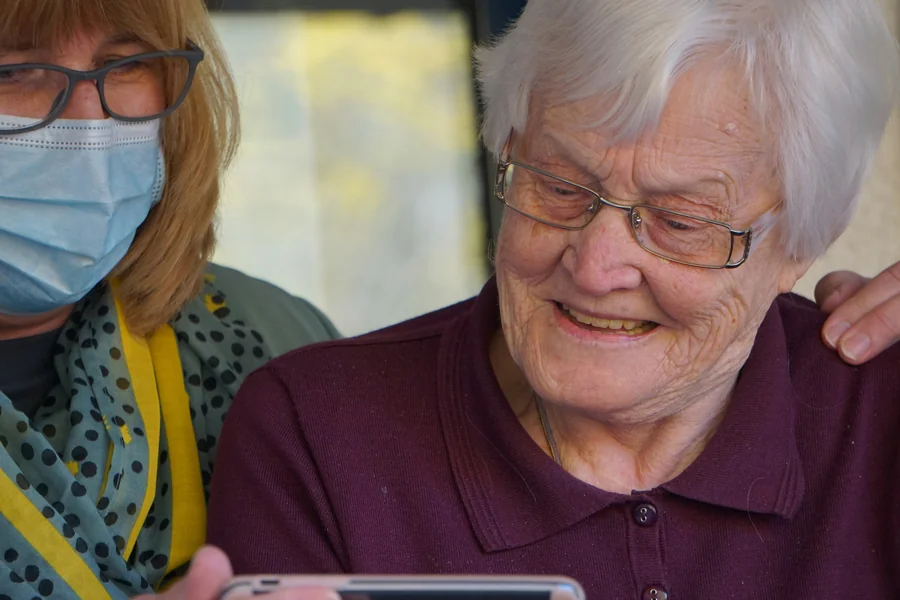
Finding the right home care provider can be one of the most important decisions you make for your loved one. It affects their comfort, safety, and overall well-being.
The process often involves more than just scanning a list of services or checking reviews. Families want someone who is not only dependable but also kind, attentive, and respectful of their loved one’s daily routines.
Many providers may appear similar at first glance, but a closer examination often reveals significant differences in quality, approach, and values. You need to map these differences with your budget and requirements to find a reliable home care provider.
In this article, we will look at some essential tips to help you choose a home care provider for you or a loved one.
Observe How the Care Provider Builds Relationships
Home care isn’t just a service; it’s a relationship. Some providers understand this deeply, and it shows in how they interact with families and clients.
From the first phone call to the initial assessment and beyond, their approach should feel personalized, not rushed or scripted. These early signs can reveal a lot about the provider’s values.
According to https://aplushomecareonline.com/, the approach should go beyond understanding medical needs. The best providers also consider personal preferences, family involvement, and emotional well-being.
According to A+ Home Care, service providers should also be able to provide financial assistance where possible. For instance, they can work with the Medicaid Waiver Program. This can ensure that eligible individuals can receive care with minimal out-of-pocket expenses.
Having such a service provider can be extremely useful in mitigating financial stress, especially when caring for elders. According to CNBC, caregivers spend around a quarter of their income on caregiving.
A provider who communicates clearly, checks in regularly, and welcomes feedback is easier to work with in the long run. It also reduces stress for family members who want to remain involved without feeling overwhelmed.
Pay Attention to Caregiver Training and Consistency
Not all caregivers receive the same level of preparation. While most agencies claim their staff is trained, the depth and quality of that training can vary. This is especially true in regions with minimal or no mandatory training requirements by the government.
For instance, New York, Rhode Island, Oregon, New Jersey, and Washington were deemed to have the highest training requirements. However, only 26 US states have one or more training requirements. Moreover, seven US states have no training requirement for personal care aides.
Regardless of the state you live in, it is essential to pay attention to the qualifications and training of the staff. It’s also worth asking how the provider ensures caregiver consistency. Regular turnover can create stress for clients, especially those who rely heavily on routine or struggle with memory issues.
When caregivers are well-trained and supported, they’re more likely to stay committed, confident, and patient. This fosters a stronger bond between the caregiver and the client, which in turn enhances the overall care experience. Emotional comfort is just as important as physical care, especially for those who are hesitant about seeking help in the first place.
Ask for Honest Feedback from Others
Even with research and official information, personal feedback from those with real experience can be incredibly useful. As stated in a Home Health Care News article, online reputation management is essential for all businesses, including home care providers. Many patients review a business’s reviews before hiring its services.
Almost all care providers are aware of this. Therefore, many of them may even use fake reviews. Google has recently stated that it will identify and issue a warning on Google Business Profile for UK businesses that use fake reviews. According to The Guardian, this is an attempt by Google to identify and remove fake reviews, thereby boosting the ratings of genuine companies.
While online reviews can give you a hint about a firm, speaking with someone who has hired the provider is more valuable. They can share details that aren’t mentioned in marketing materials or online reviews. These conversations can help you understand how a provider handles day-to-day challenges or unexpected changes in care needs.
Ask about how long caregivers stayed with their loved one, how responsive the agency was to concerns, etc. Look for signs of genuine care, not just routine service. Sometimes, the most helpful information comes from simple questions, such as, “Would you choose them again?”
Consider the Role of Technology in Care Delivery
Technology is becoming an increasingly important part of home care, helping families stay connected and enhancing care management. From remote health monitoring to caregiver scheduling apps, digital tools are making it easier to ensure consistent support.
According to a study from JMIR Publications, the use of technology, along with devices such as sensors and smartphones, enhances elder care. The study of 94 participants found that the quality of life improved for those who used technology. It also enhanced social support and self-management abilities for the elderly.
Some agencies now offer services that include wearable devices to track vital signs or detect falls. These tools can send alerts to both caregivers and family members if something seems out of the ordinary.
Others use secure platforms where you can review care notes, medication schedules, and appointment updates in real time. This type of access fosters transparency and enables families to stay more involved without relying on phone calls for every update.
Frequently Asked Questions
What is the most important nursing role in home health care?
The most important role is clinical oversight. Home health nurses monitor health conditions, manage medications, coordinate with physicians, and provide direct care. They also educate families, helping them understand treatment plans and spot early signs of complications, which supports better outcomes and reduces hospital visits.
What is the biggest purpose of home-based care?
Home-based care allows individuals to receive medical or personal assistance in a familiar setting. It supports independence, comfort, and emotional well-being while reducing unnecessary hospitalizations. This model of care often leads to more personalized attention and better alignment with the person’s daily routines and preferences.
Can family members be involved in planning home care?
Yes, family members play a key role in home care planning. Reputable providers encourage collaboration and keep families informed about daily care routines, progress, and any changes in condition. Their involvement often improves the comfort and consistency of the care being provided.
A dependable home care provider brings more than just services; they offer peace of mind. The right choice will match your family’s needs, communicate clearly, and stay flexible as situations evolve. Take the time to ask the hard questions, observe how they operate, and seek genuine feedback from previous clients.
