
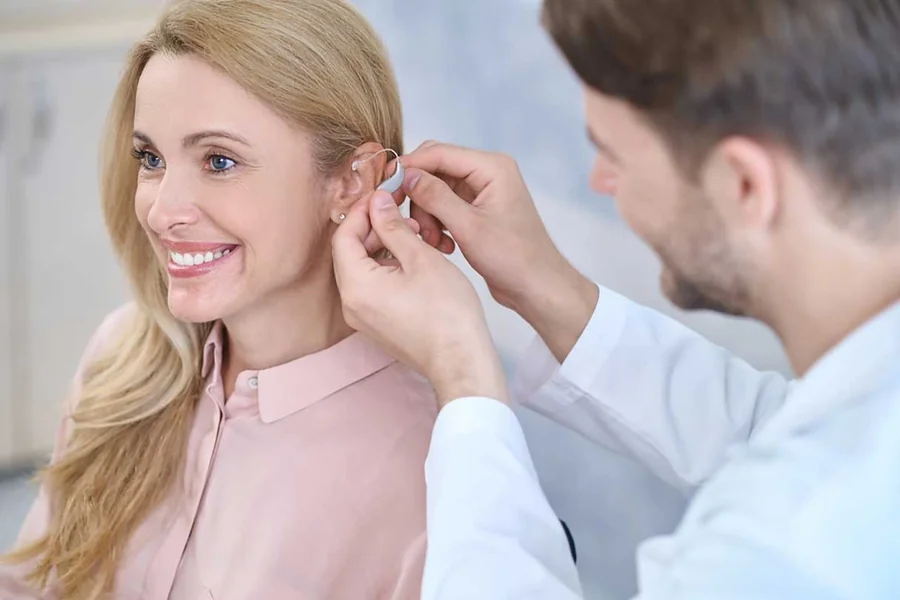
Hearing loss can creep up on you gradually, often so slowly that you don’t notice the changes until it starts affecting your daily life. The tricky part is that many people don’t realise their hearing is getting worse until it reaches a point where it feels overwhelming. Recognising the signs early is crucial because the sooner you act, the better your chances are of maintaining a good quality of life. Let’s go through the common signs that indicate your hearing loss might be worsening — and why it’s important not to delay seeking help.
Understanding Progressive Hearing Loss
Hearing loss is rarely sudden for most adults; instead, it tends to progress bit by bit over months or years. There are different types of hearing loss — sensorineural (damage to the inner ear or nerve pathways), conductive (issues with the ear canal or middle ear), or a mix of both. Regardless of the type, untreated hearing loss can worsen, making everyday sounds and conversations increasingly difficult to follow. That’s why spotting the warning signs early on and getting appropriate support can make a huge difference. Here are some solutions for partial hearing return.
Key Signs Your Hearing Loss Is Getting Worse
One of the first things you might notice is an increased difficulty understanding conversations, especially when there’s background noise like at a café or family gathering. If you find yourself missing key parts of what people say more often, it’s a sign your hearing isn’t what it used to be.
Another common sign is needing to raise the volume on your TV, radio, or phone calls higher than before. While it might seem like a minor inconvenience, this gradual increase in volume often indicates your ears are struggling to pick up softer sounds.
Many people don’t realise that hearing loss can cause listening fatigue — feeling more tired or mentally drained after social interactions. This happens because your brain works harder to fill in the gaps when you can’t hear everything clearly.
It’s also common to start avoiding social situations altogether. If you notice yourself making excuses to skip gatherings or feeling frustrated and embarrassed because you can’t keep up with conversations, it’s a clear warning sign.
You might also catch yourself asking people to repeat themselves more often or straining to hear what’s being said. In some cases, ringing or buzzing in the ears (tinnitus) can become more noticeable or worsen as your hearing declines.
Additionally, you may have trouble hearing high-pitched sounds, such as birdsong, alarms, or children’s voices. Finally, some people notice changes in their own speech — talking louder than usual or mumbling without realising it — as a subconscious reaction to their hearing loss.
The Risks of Ignoring Worsening Hearing Loss
It’s easy to put off dealing with hearing loss, but ignoring it can lead to more serious problems. Untreated hearing loss is linked to increased risks of anxiety, depression, and social isolation because it affects your ability to connect with others.
Research also shows that hearing loss can contribute to cognitive decline and increase the risk of dementia if left unaddressed. On a more practical level, missing important sounds like alarms, sirens, or car horns can create safety risks in everyday life.
Worsening hearing loss also puts a strain on your relationships, as communication becomes frustrating for both you and the people around you. The longer you wait, the harder it may become to reverse these effects.
Why You Should Act Fast
The good news is that hearing aids and other assistive technologies have improved enormously in recent years. Acting early means you can benefit from these advances and slow the impact of hearing loss on your life.
Getting hearing aids sooner rather than later can help you maintain better communication, stay socially active, and protect your mental wellbeing. The sooner you adapt to the devices, the easier it is to get used to them and enjoy clearer hearing.
What to Do Next: Steps to Take
If you recognise any of these signs, it’s time to book a hearing test with a qualified audiologist or hearing specialist. Hearing assessments are straightforward and painless — they help determine the extent of your hearing loss and the best solutions for you.
Once your hearing loss is assessed, you can explore different types of hearing aids and technologies tailored to your lifestyle and degree of hearing loss. Your audiologist will guide you through the options, fittings, and ongoing care to ensure you get the most from your hearing aids.
Conclusion
Hearing loss doesn’t have to take over your life. By recognising the signs that your hearing is getting worse and acting fast, you can protect your health, relationships, and happiness. Don’t wait until it becomes overwhelming — if you’re struggling to hear, book a hearing test and speak to a professional today. Taking that first step is the best thing you can do for your hearing health.
