
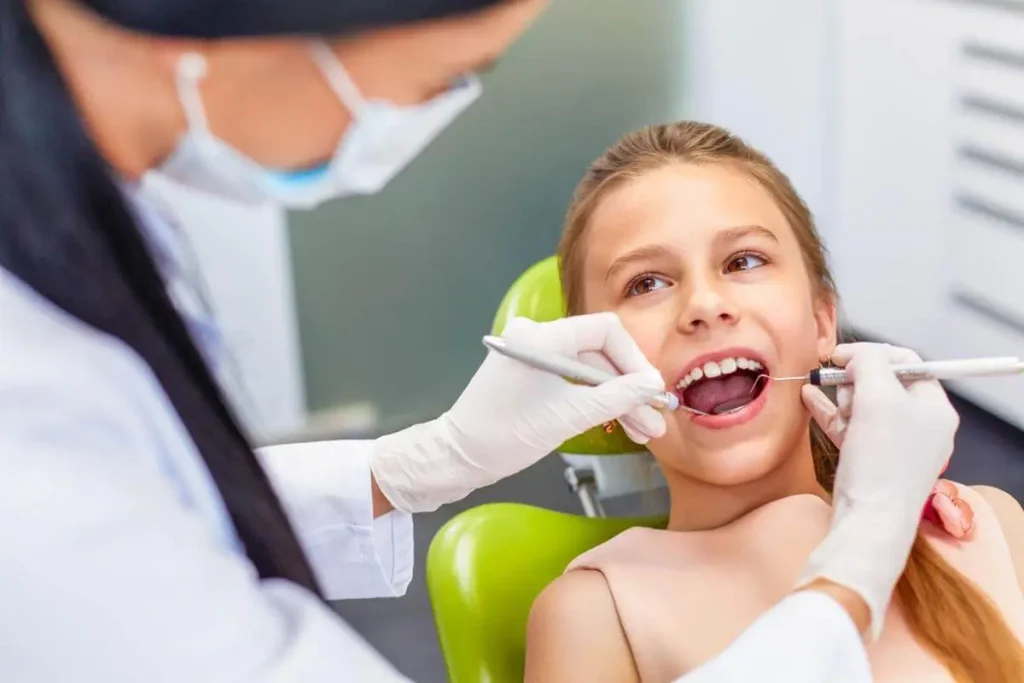
A dental visit for a child? Not the first thing that crosses most parents’ minds when scheduling well-baby check-ups.
However, dental visits are just as crucial as taking your baby for vaccinations or routine developmental assessments.
But how soon should you schedule the first baby dental check-up, and what can you expect as a parent?
Let’s find out.
When Should I Schedule the First Baby Dental Check-up?
Experts recommend taking your child for the first dental examination within six months after their first tooth erupts. You could wait up to twelve months, although earlier appointments are highly encouraged.
Like most well-baby check-ups, early dental visits can provide several health benefits for your baby. It also prevents the high costs incurred by many parents in treating pediatric dental issues.
Therefore, contact a licensed dentist South Plainfield NJ as soon as you spot your baby’s first tooth. Ensure you provide as much information about your child as possible, including their actual age and overall health condition. This enables the clinic to schedule proper and timely appointments.
When Does The First Baby Tooth Erupt?
Now that you understand the best time to schedule your baby’s maiden dental visit, you’re probably wondering when the child’s first teeth will erupt. Most babies develop their milk teeth from six to twelve months of age.
However, factors like genetics and diet could cause your child to grow their first teeth within three months or prolong the duration to fifteen months.
Now, assume that your little angel develops their first teeth when they’re six months old. In that case, you generally have up to the twelfth month to plan the first baby dental visit.
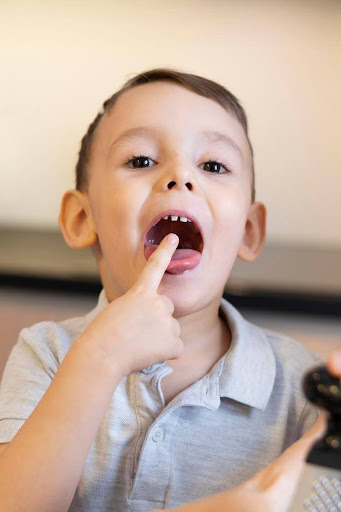
Which Teeth Should I Benchmark With?
While tooth eruption timing may vary considerably from one baby to another, the process follows a consistent pattern.
Humans typically develop the two lower central incisors first. The two teeth may erupt at the same time or follow each other in quick succession.
The lower central incisors are shortly followed by upper central incisors, and later by lateral incisors. Most babies are around one year old at this time.
From 12 to 20 months, you can expect the first molars to erupt. Canines follow soon after, with the second set of molars wrapping up the tooth eruption phase.
Note that the six-month rule for scheduling the first dental pediatric visit applies to the first teeth to develop – lower central incisors.
What Can I Expect From The Dentist?
During a baby’s first dentist visit, the dentist will provide important information on proper oral and dental hygiene. These include tips on mouth cleaning, including what constitutes a great baby toothbrush and toothpaste.
The dentist may also share information on baby feeding practices, baby bottle cleaning, pacifier habits, and how to manage finger sucking.
A comprehensive exam may be necessary, especially if there are reliable hints of oral issues. During a full check-up, the dentist will visually inspect your baby’s teeth, jaws, and gums.
If you skimped on an early visit, the dentist may perform a gentle cleaning. This entails mild polishing of your baby’s teeth and gums to remove any plaque or stains.
X-ray examinations are rare for first baby dental visits. However, for older children with warning signs of tooth decay, X-rays may help assess the full extent of the damage.
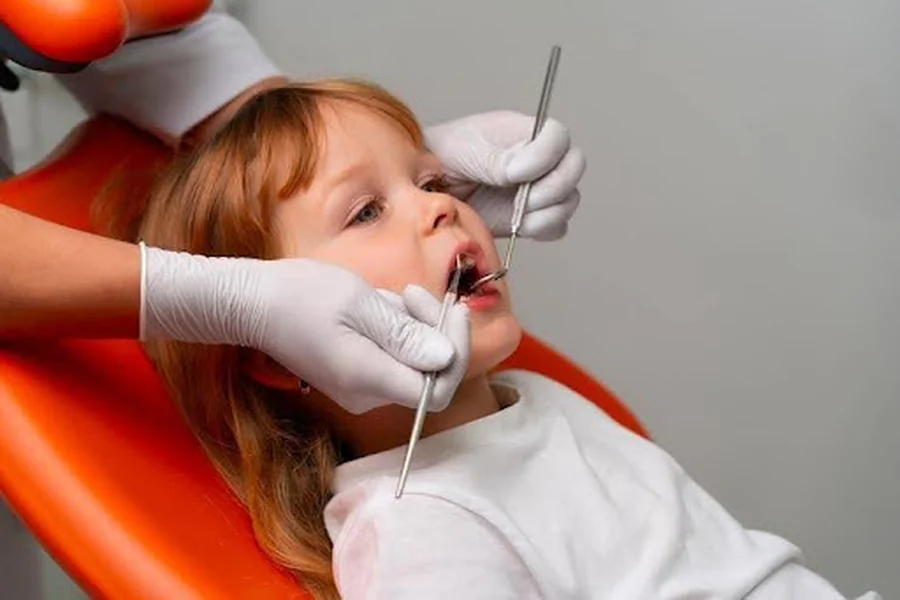
What Can I Expect From My Baby?
Most children experience dental anxiety. While first dentist visits are not always problematic, you can expect some nervousness with subsequent appointments.
Dental anxiety can present in various ways, from elevated heart rate to intense sweating and upset stomach. Depending on your baby’s age, they may throw tantrums and refuse to enter the dental office.
The good news is that dental anxiety will eventually go away on its own. For older children, you can address nervousness by preparing them adequately for each appointment.
Focus on the benefits of dental check-ups ahead of the trip and consider positive reinforcement for good behavior.
What’s The Best Time for First Baby Dental Visits?
Mornings are the ideal time to take your baby for dental check-ups.
The idea is to have the child examined when they’re fresh and alert, improving the outcome of each appointment.
Evenings are highly discouraged, as your baby is probably already exhausted and unlikely to cooperate during a dental check-up.
How Long Do First Baby Dental Visits Last?
The duration of a baby’s first dental visit depends on the scope of examination required.
If you schedule an appointment as recommended (within six months of the first tooth erupting), you can expect the procedure to last 30 – 45 minutes.
However, a more extensive examination may be necessary for older children.
Wrap Up
A child’s first dental check-up is an important appointment that parents should never skimp on.
Early dental check-ups enable your dentist to establish a robust oral hygiene regimen for your little bundle of joy. It also provides an opportunity to detect potential issues with your child’s oral health, ensuring timely interventions.
The conventional wisdom is to schedule the first baby dental check-up within six months following the child’s tooth eruption. Remember to prepare adequately for the visit, as there’s a lot to learn regarding your baby’s oral hygiene and dental anxiety.
More importantly, insist on a board-certified clinic for all your child’s dental appointments. Prioritize a facility with a proven track record of offering exceptional pediatric dental care.
