
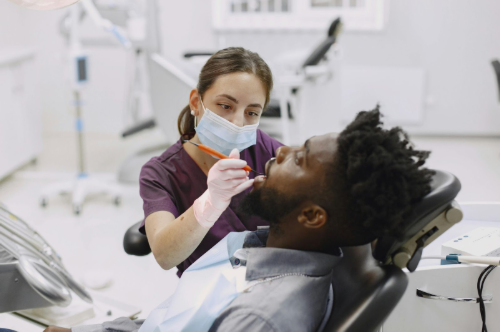
In Middletown, CT, it’s generally a good idea to visit the dentist for a cleaning every six months. This schedule helps keep your teeth and gums healthy.
However, if you have specific dental issues like discolored teeth or gum inflammation, or certain health conditions, you might need to go more often. Dentists in Middletown will work with you to decide on the best schedule based on your personal dental history and needs.
Regular cleanings are key to maintaining good oral health, so talk to your dentist about what’s right for you.
Understanding the Importance of Dental Cleanings
Dental cleanings are crucial for keeping your mouth and body healthy. They help prevent plaque buildup, a sticky layer of bacteria that can turn into tartar if not cleaned regularly. When tartar forms, it can lead to tooth decay and cavities. Regular cleanings also help prevent gum disease. Without proper care, gingivitis, the early stage of gum disease, can progress to periodontitis, causing tooth loss and even affecting your heart health. Studies show that regular dental cleanings lower bacteria levels, keeping your gums healthy. Understanding their importance is key to maintaining overall health.
The General Recommendation for Dental Cleanings
Getting your teeth cleaned by a dentist twice a year is a good idea. This routine helps keep your mouth healthy by managing plaque and tartar, which can cause gum disease and cavities. The American Dental Association (ADA) suggests this schedule for most people. Following it can lead to better dental health. However, everyone’s needs are different. Some might need more frequent cleanings to avoid long-term dental issues. It’s always best to talk to your dentist about what’s right for you. Regular cleanings mean a healthier smile and fewer dental problems down the road.
Factors Influencing Your Dental Cleaning Frequency
If you notice your teeth are getting discolored, you might need more frequent dental cleanings. This discoloration often comes from eating certain foods or smoking, which means you may need more professional help to keep your teeth looking their best.
Another factor is gum inflammation. If your gums are often red or swollen, it could mean you have gingivitis or periodontitis. In this case, getting your teeth cleaned more often can help prevent these conditions from getting worse.
People with higher risks for dental issues usually benefit from more regular cleanings. By looking at these factors, dentists can create a cleaning schedule just for you. This helps keep your mouth healthy and addresses your specific needs effectively.
Dental History and Its Impact on Cleaning Schedule
Understanding a patient’s dental history is key to deciding how often they should get their teeth cleaned. If someone has had issues like cavities, gum disease, or tooth decay in the past, it means they might need to visit the dentist more frequently to prevent these problems from coming back. Good oral hygiene habits, like brushing and flossing daily, can help extend the time between cleanings. On the other hand, if someone doesn’t keep up with these habits, they might need to see the dentist more often. By looking at these factors, dentists can create a cleaning schedule that fits each person’s needs and helps keep their mouth healthy.
The Role of Lifestyle in Determining Cleaning Frequency
Lifestyle choices greatly affect how often you should get your teeth cleaned. Eating a lot of sugary foods can lead to more plaque and cavities, so you might need to visit the dentist more often. On the other hand, enjoying a diet full of fibrous vegetables and low in sugar means you might not need cleanings as frequently.
Fluoride in drinking water also impacts dental health. Areas with optimal fluoride levels usually have fewer cavities, which can mean fewer dental visits. If you smoke or drink alcohol, you might need more frequent dental check-ups because these habits increase the risk for gum disease.
Health Conditions That May Affect Your Oral Health
How do health conditions impact oral health? Chronic diseases like diabetes and heart issues can significantly affect your mouth. Diabetes can lead to gum disease because it causes poor blood flow and more inflammation. Heart conditions are also linked to gum disease, often due to shared habits like smoking. Medications for high blood pressure, depression, or allergies can cause dry mouth, leading to more cavities and gum problems. If you have these health issues, talk to your dentist in Middletown, CT. They can help you set up a dental cleaning schedule to keep your mouth healthy.
How Age and Life Stages Influence Dental Cleaning Needs
Different ages and life stages mean different dental cleaning needs. Kids need more frequent dental visits to ensure their teeth develop properly and to stop cavities from forming. On the other hand, older adults often need specialized care to handle issues like gum disease and tooth loss that come with age.
Regular dental check-ups are key for everyone, but the focus changes as we age. For kids, it’s about growth and prevention. For seniors, it’s about maintaining oral health and managing age-related changes. Always talk to your dentist about what’s best for your specific needs.
Children’s Dental Care Frequency
How often should children visit the dentist? Children should generally have dental check-ups every six months. These regular visits are crucial for keeping their teeth clean and healthy. The American Academy of Pediatric Dentistry recommends that a child’s first dental exam should happen by age one. This early start helps ensure good oral health from the beginning.
Why are these visits important? Regular dental visits help prevent cavities and gum problems as children grow and their teeth change. These cleanings are key when kids get their first set of teeth and later their permanent ones. Plus, these visits teach kids and parents how to care for teeth properly as children develop. Keeping regular appointments means healthier smiles for life.
Senior Oral Health Considerations
Aging affects oral health significantly, meaning seniors need special dental care. As people get older, gum disease becomes more common, so regular dental cleanings are crucial. Seniors should visit the dentist every three to six months to help prevent gum disease. These cleanings remove plaque and tartar, which keeps gums healthy.
Denture care is also important for seniors. Proper cleaning and regular adjustments make dentures comfortable and prevent infections. Dentists in Middletown, CT, recommend a comprehensive approach to senior dental care. This means regular check-ups and good hygiene practices to meet the unique needs of aging adults, ensuring their overall oral health stays in great shape.
The Impact of Oral Hygiene Practices on Cleaning Frequency
Good oral hygiene means you might need fewer dental cleanings. If you brush and floss well, you can keep your teeth and gums healthier, which often results in less frequent trips to the dentist for cleanings. For patients looking to maintain their routine, scheduling a Dental Cleaning in Middletown, CT can be a great way to stay proactive about oral health.
Brushing your teeth properly involves using a soft toothbrush, applying gentle pressure, and doing it for two minutes, twice a day. Flossing every day helps remove food and plaque between your teeth, preventing gum disease.
People who stick to these habits usually have less plaque and healthier gums, allowing them to go longer between dentist visits. On the other hand, if you don’t keep up with your oral care, you might need more frequent cleanings to avoid cavities and gum issues.
Consulting Your Dentist for Personalized Recommendations
Regular dental visits can help determine how often you need cleanings. Everyone is different, so it’s important to see a dentist for advice tailored to your needs. During a visit, the dentist checks your gums, plaque levels, and any cavities, giving a full picture of your oral health. They consider things like your family history and habits. This helps them suggest a cleaning schedule just for you. Regular check-ups also help catch any changes early, keeping your teeth healthy and preventing problems. Always ask your dentist for advice that suits your unique situation.
Frequently Asked Questions
Are Dental Cleanings Covered by Insurance in Middletown, CT?
Yes, dental cleanings are usually covered by insurance in Middletown, CT. Most plans include two cleanings a year, which helps lower your out-of-pocket costs. However, coverage can differ based on your specific policy. It’s important to check the details of your plan to know what’s covered and what costs you might have to pay yourself. Being informed about your plan’s specifics will help you avoid surprises and manage your dental expenses better.
How Long Does a Typical Dental Cleaning Appointment Last?
A dental cleaning appointment in Middletown, CT, usually lasts about 45 to 60 minutes. This time is enough for a complete plaque removal, examination, and polishing, following standard oral health practices.
During this visit, a dental hygienist will clean your teeth to remove any buildup of plaque and tartar. They’ll check for any signs of oral health issues and ensure your teeth are polished, leaving them smooth and shiny. Regular cleanings help maintain healthy teeth and gums and prevent future dental problems.
Scheduling these appointments regularly means keeping your smile bright and your mouth healthy.
What Should I Expect During My First Dental Cleaning Visit?
What to Expect at Your First Dental Cleaning Visit:
During your first dental cleaning, expect a thorough check-up, plaque and tartar removal, and teeth polishing. These steps help keep your teeth healthy and clean.
Initial Examination:
The dentist will start with a gentle examination of your teeth and gums. This is to spot any issues early.
Plaque and Tartar Removal:
They’ll use special tools to remove plaque and tartar. This is important because it prevents cavities and gum disease.
Teeth Polishing:
Finally, your teeth will be polished to make them smooth and shiny.
Comfort and Care:
Dentists use methods to ensure you feel at ease, so there’s minimal discomfort.
This visit is key to keeping your smile bright and healthy!
Can I Eat Immediately After a Dental Cleaning?
After a dental cleaning, it’s best to wait about 30 minutes before eating. This wait time helps the fluoride treatment settle on your teeth. To keep your teeth healthy after cleaning, try to avoid sticky, crunchy, or highly pigmented foods. These foods can affect the benefits of the cleaning and fluoride treatment. Enjoy softer and lighter-colored foods instead, which are gentler on your freshly cleaned teeth. Taking these steps helps maintain your oral health and the benefits of your dental cleaning.
Do Dental Cleanings Help With Bad Breath?
Yes, dental cleanings can help with bad breath. Regular cleanings remove plaque and tartar, which are common causes of bad breath due to their bacteria content. By reducing oral bacteria, cleanings lead to fresher breath and better oral hygiene. Think of it as a deep clean for your mouth, removing the hidden culprits behind unpleasant odors. For lasting fresh breath, pair these cleanings with daily brushing and flossing. Remember, professional dental cleanings are a simple yet effective way to maintain a healthy, odor-free mouth.
