
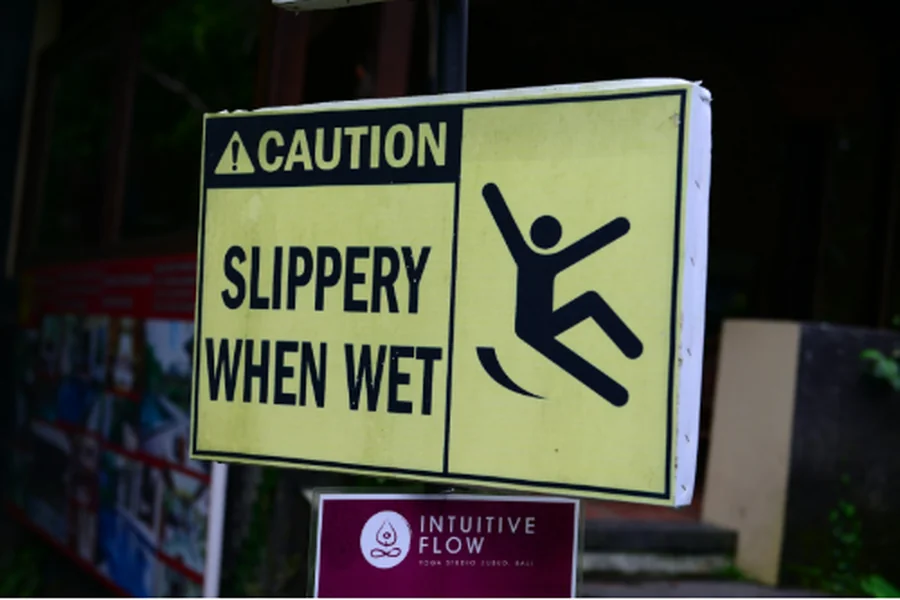
To prove negligence in a slip and fall case in Overland Park, you’ll need to show that the property owner didn’t maintain a safe environment. This involves demonstrating that they knew about hazardous conditions, like wet floors, but did nothing. Gathering solid evidence, such as photos and witness statements, strengthens your case. But how do you establish that critical link between the owner’s inaction and your injuries? That’s where the real challenge begins.
Understanding Duty of Care in Slip and Fall Cases
In slip and fall cases, understanding the duty of care is indispensable. You need to know that property owners have a legal obligation to guarantee their premises are reasonably safe for visitors. This means they must regularly inspect their property, fix any known hazards, and warn guests about potential dangers. If you’re injured in a slip and fall, proving that the property owner breached this duty of care becomes pivotal. You have to demonstrate that they either knew about the unsafe condition or should have reasonably known about it through regular maintenance. By doing so, you establish that their failure to maintain a safe environment directly led to your injury. Remember, the burden of proof lies with you, so gathering evidence is essential.
Identifying Hazardous Conditions on the Property
Having a clear grasp of the duty of care sets the stage for identifying hazardous conditions on a property. You need to look for any obvious dangers that could cause a slip and fall. Wet floors, uneven surfaces, poorly lit areas, or cluttered walkways are common culprits. Pay close attention to areas where people frequently walk, such as entrances, staircases, and hallways.
Document these hazards with photographs or notes, focusing on details like signs warning of wet floors or loose handrails. Evaluate whether these conditions are temporary or permanent. Temporary hazards, like spills, should be addressed quickly, while permanent issues, like broken tiles, require ongoing maintenance. By understanding these elements, you can effectively argue that a property wasn’t maintained to a safe standard.
Proving the Property Owner’s Knowledge of the Hazard
To successfully prove a property owner’s knowledge of a hazard, focus on gathering evidence that shows they should have been aware of the dangerous condition. Start by collecting any incident reports or maintenance logs that might indicate previous issues. Witness statements from employees or other visitors can also be invaluable, especially if they’ve noticed the hazard before your accident. Photographs or videos of the hazard, especially if the condition persisted over time, strengthen your case. Check for any warning signs or lack thereof, as their absence could imply negligence. If possible, determine how long the hazard existed by analyzing surveillance footage. The longer a hazard remains unaddressed, the more likely it is that the owner should have known about it.
Establishing a Breach of Duty by the Property Owner
When establishing a breach of duty by the property owner, you’re basically showing that they failed to act as a reasonable person would under similar circumstances. To do this, you need to prove that the owner didn’t maintain the property safely. Look for evidence of unaddressed hazards like wet floors, uneven surfaces, or broken stairs that a prudent owner would have fixed. Consider whether warning signs were absent or inadequate. You should assess how long the hazard existed and if regular inspections were conducted. Did they follow city codes and regulations? By documenting these failures, you build a case that the property owner didn’t uphold their duty to guarantee a safe environment, consequently breaching their responsibility to prevent potential accidents.
Demonstrating Causation Between Negligence and Injury
Proving causation between negligence and injury means you need to show that the property owner’s failure directly led to the accident. To succeed, you must demonstrate that the hazardous condition was the clear reason for your slip and fall. This means pinpointing how the owner’s negligence, like a wet floor without warning signs or poor lighting, caused your injuries.
You should focus on establishing a direct link between the unsafe condition and your accident. Consider whether the hazard was obvious and if the owner had enough time to address it. If the danger was ignored or inadequately managed, it strengthens your claim. Remember, it’s essential to illustrate that your injuries wouldn’t have happened but for the owner’s negligence. This connection is indispensable for proving your case effectively.

Gathering Evidence and Documentation for Your Case
When building your slip-and-fall case, gathering solid evidence is imperative. Start by taking clear photographs of the scene and any hazards that contributed to your fall. Don’t forget to collect witness statements, as their accounts can strengthen your claim.
Photographic Evidence Importance
Capturing clear and detailed photographic evidence can be pivotal in a slip and fall negligence case in Overland Park. You’ll want to photograph the accident scene as soon as possible to document hazardous conditions like wet floors, uneven surfaces, or missing warning signs. Make sure to capture multiple angles and perspectives for an exhaustive view. Close-ups of specific hazards and wide shots showing the surrounding area will strengthen your case.
Don’t forget to include time-stamped photos if possible, as they add credibility. Photographs can vividly illustrate the risk and help counter any claims that conditions were safe. It’s also wise to document any visible injuries you sustained. By gathering strong photographic evidence, you’re better equipped to demonstrate negligence and support your claim effectively.
Witness Statements Collection
While photographs provide visual evidence, collecting witness statements adds another layer of support to your slip-and-fall negligence case. Witnesses can offer firsthand accounts of the incident, detailing how the conditions led to your fall. Start by identifying anyone who saw the accident or was nearby. Politely ask for their contact information and permission to record their account. When speaking with witnesses, focus on gathering facts: what they observed, the conditions, and any actions taken by property staff. It’s indispensable to document these statements soon after the incident while memories are fresh. Written or recorded statements can strengthen your case by providing a more complete view of the circumstances, helping demonstrate the property owner’s negligence.
The Role of Witnesses and Expert Testimony
When building your slip and fall case, don’t underestimate the power of eyewitness accounts to provide firsthand information about the incident. Expert testimony can also profoundly impact the outcome by offering specialized insights that clarify complex aspects of the case. Together, these elements serve as valuable corroborating evidence, strengthening your claim and helping you achieve a favorable verdict.
Importance of Eyewitness Accounts
Eyewitness accounts can substantially impact the outcome of a slip and fall negligence case in Overland Park. When you’re building your case, having someone who directly saw the incident can be a game-changer. They provide unbiased observations that can support your claims. These accounts might confirm the hazardous condition and your actions leading up to the fall, making your argument stronger.
You’ll want to gather contact details from anyone who witnessed the event. Encourage them to provide a written statement or be prepared to testify if necessary. Their testimony can help establish the timeline and context of the incident. Remember, the more consistent and detailed their observations are, the more credence your case gains. Eyewitnesses can turn the tide in your favor.
Expert Testimony Impact
Expert testimony can substantially bolster your slip and fall negligence case in Overland Park. When you bring in an expert, they provide professional insights that help clarify complex issues. For instance, an expert can detail how a particular surface should be maintained or how lighting conditions might contribute to a fall. Their testimony helps establish whether the property owner met the expected safety standards.
Using experts strengthens your argument by offering an informed perspective that a typical witness can’t provide. This testimony can influence the judge or jury by revealing how negligence occurred. Additionally, experts can explain the extent of your injuries and the impact on your life, further illustrating the seriousness of your case. Their input is essential for building a compelling narrative.
Corroborating Evidence Value
How essential is corroborating evidence in your slip and fall negligence case in Overland Park? It’s paramount. Witnesses can strengthen your claim by providing firsthand accounts of the incident. Their observations might confirm the presence of hazardous conditions or the lack of warning signs. You should gather statements from anyone who saw the fall or noticed the dangerous condition beforehand.
Expert testimony is another powerful tool. Experts can explain complex issues, like how a surface’s design or maintenance contributed to your fall. They can calculate injury impacts or reconstruct the accident scenario, adding credibility to your claims.
Don’t underestimate the value of corroborating evidence. It can be the difference between a successful case and a missed opportunity for justice.
Navigating Legal Procedures and Filing Your Claim
When it comes to traversing legal procedures and filing your claim for slip and fall negligence in Overland Park, comprehending the process is essential to safeguarding your rights. Start by gathering all necessary documentation, such as medical records and witness statements. This evidence is pivotal when you’re filing your claim. Next, it’s important to understand the statute of limitations in Kansas, typically two years for personal injury cases. Don’t wait too long to take action.
Consult a skilled slip and fall injury lawyer to guide you through the intricacies of legal paperwork and deadlines. They’ll help you draft a solid complaint that articulates the negligence involved. Once filed, be prepared for potential negotiations or court proceedings. Staying organized and proactive will considerably strengthen your case.

