
Vaping has become a popular alternative to smoking in New Zealand, but with its rise, the market has seen an influx of illegal disposable vapes.
These non-compliant products pose health risks and undermine efforts to regulate vaping, especially to protect young people. With new regulations set to ban disposable vapes entirely by 17 June 2025, it’s more important than ever to know how to identify illegal devices.
This article provides a comprehensive guide for people in NZ to spot illegal disposable vapes, ensuring you stay safe and compliant with the law.
Understanding NZ’s Vaping Regulations
NZ’s vaping laws, governed by the Smokefree Environments and Regulated Products Act 1990, aim to balance harm reduction for smokers with preventing youth vaping. Recent amendments have tightened rules, particularly around disposable vapes, due to their popularity among teenagers. From 17 June 2025, disposable vapes — defined as devices that cannot be refilled or recharged — will be banned outright. Until then, strict requirements apply, including child safety mechanisms, removable batteries, and limits on nicotine strength.
Inauthentic vapes are those that fail to meet these standards or are sold without proper notification to the Ministry of Health. Using or purchasing such devices can expose you to health risks from untested products and potential legal consequences. Knowing the signs of an illegal vape helps you make informed choices and support NZ’s public health goals.
Check the Nicotine Strength
One of the easiest ways to spot an illegal disposable vape is to check its nicotine strength. NZ regulations cap nicotine levels at 20 mg/mL (2%) for disposable vapes and 28.5 mg/mL (2.85%) for closed pod systems. Illegal vapes often exceed these limits, sometimes advertising strengths as high as 5% (50 mg/mL), which is well above the legal threshold.
Look at the packaging or device labelling. If the nicotine strength is listed as a percentage (e.g. 5%) or exceeds 20 mg/mL, it’s likely non-compliant. Be cautious, as some illegal vapes may not list nicotine strength at all, which is another red flag. Always purchase from reputable retailers who verify compliance with NZ’s standards.
Inspect the Packaging and Labelling
Legal vapes in New Zealand must follow strict packaging and labelling rules. The Ministry of Health requires clear, accurate information on the device and its packaging, including:
- The brand and variant name.
- Nicotine strength (in mg/mL).
- Flavour description (using generic terms like “berry” or “mint”).
- A list of ingredients.
- A warning statement about nicotine’s addictive nature.
Illegal vapes often have vague or missing labels. For example, they might use enticing flavour names like “strawberry jelly donut” instead of the approved generic descriptors. Packaging that features cartoons, toys, or other youth-appealing imagery is also prohibited, as it targets minors. If the vape lacks a proper ingredient list or health warning, it’s likely illegal.
Additionally, check for signs of poor quality, such as misspelt words, blurry printing, or flimsy packaging. These are common with counterfeit or unregulated products imported from overseas markets that don’t align with New Zealand’s standards.
Verify Child Safety Features
Since October 2023, disposable vapes in NZ must have child safety mechanisms, a requirement extended to all vaping devices by October 2024. These mechanisms typically require two simultaneous actions (e.g., pressing a button while inhaling) or five sequential actions to activate the device. They must also automatically deactivate after 10 minutes of inactivity and cannot be permanently disabled by the user.
Illegal vapes often lack these safety features, making them easier to use but more accessible to children. Test the device or check the packaging for details about the child safety mechanism. If it’s missing or can be bypassed easily, the vape is non-compliant and potentially unsafe.
Look for Removable Batteries
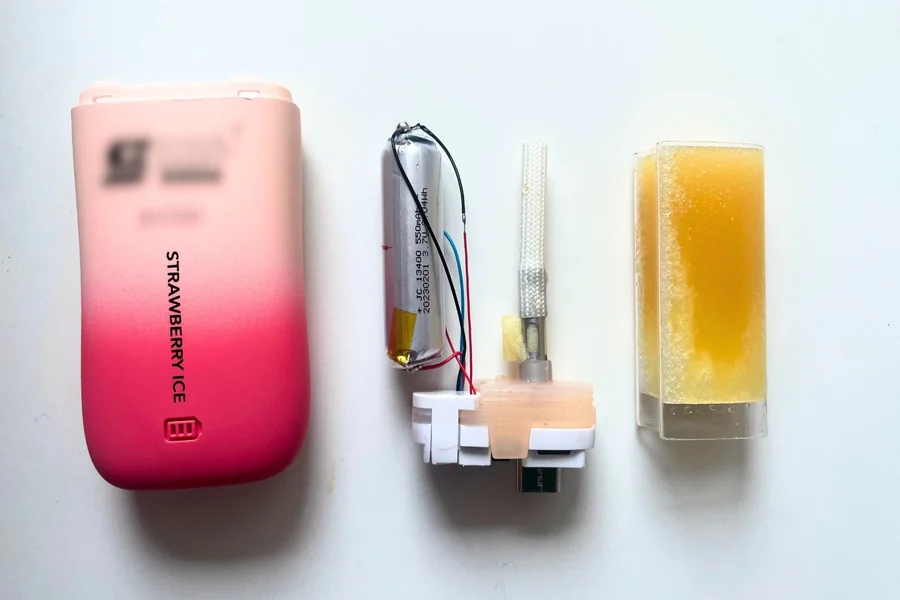
As of 1 October 2024, all vaping devices, including disposables, must have removable or replaceable batteries. This rule aims to reduce the environmental impact of single-use devices and limit their appeal to young people, who often prefer cheap, throwaway vapes. Illegal disposables typically have fixed batteries, making them fully single-use and non-compliant with current regulations.
When purchasing a disposable vape, ask the retailer if the battery is removable or check the product description. If the device is designed to be discarded entirely after use, it doesn’t meet NZ’s requirement and should be avoided.
Recognise Red Flags in Product Design
Illegal disposable vapes often stand out due to their design. While legal vapes prioritise functionality and compliance, illegal ones may focus on flashy aesthetics to attract buyers. Look out for:
- Excessive puff counts: Claims of 10,000+ puffs often indicate an oversized e-liquid capacity, which violates the 2 mL limit for disposables in some jurisdictions and suggests non-compliance.
- Bright, multicoloured designs: These are often marketed to appeal to younger users, which is banned in NZ.No branding or serial number: Legitimate vapes have traceable identifiers; unbranded devices are likely counterfeit.
If the vape looks suspiciously cheap or overly decorative, it’s worth double-checking its legitimacy with the retailer or the Ministry of Health’s notified products list.
Why Avoiding Illegal Vapes Matters
Using illegal disposable vapes comes with significant risks. These products may contain harmful substances, such as banned chemicals or excessive nicotine, that haven’t been tested for safety. They also contribute to youth vaping, which NZ’s regulations aim to curb. By choosing compliant vapes, you support public health efforts and protect yourself from potential harm.
Moreover, illegal vapes undermine the vaping industry’s credibility. Reputable retailers like HiVape work hard to meet regulatory standards, offering safe alternatives like pod vapes that will remain legal after the disposable ban. Transitioning to these devices now can prepare you for the upcoming changes and reduce environmental waste.
What to Do If You Suspect an Illegal Vape
If you think you’ve purchased an illegal vape, stop using it immediately. Contact the retailer to verify its compliance and report any concerns to the Ministry of Health or Trading Standards. You can also check the Ministry’s notified products list to confirm if the vape is registered. Reporting illegal sales helps authorities crack down on non-compliant suppliers and protects other consumers.
As the 17 June 2025 disposable vape ban approaches, consider switching to reusable pod systems or other compliant devices. Many retailers offer guidance on transitioning, ensuring you can continue vaping safely and legally.
Stay Informed and Compliant
Spotting an illegal disposable vape in NZ requires vigilance and awareness of the latest regulations. By checking nicotine strength, packaging, safety features, and the retail environment, you can avoid non-compliant products and make safer choices. And keep in mind, not all cheap vapes are illegal or fake — some are affordable yet fully compliant with local laws. With the upcoming ban on disposables, now is the perfect time to explore legal alternatives and stay updated on vaping laws through trusted sources like the Ministry of Health or reputable retailers.

