
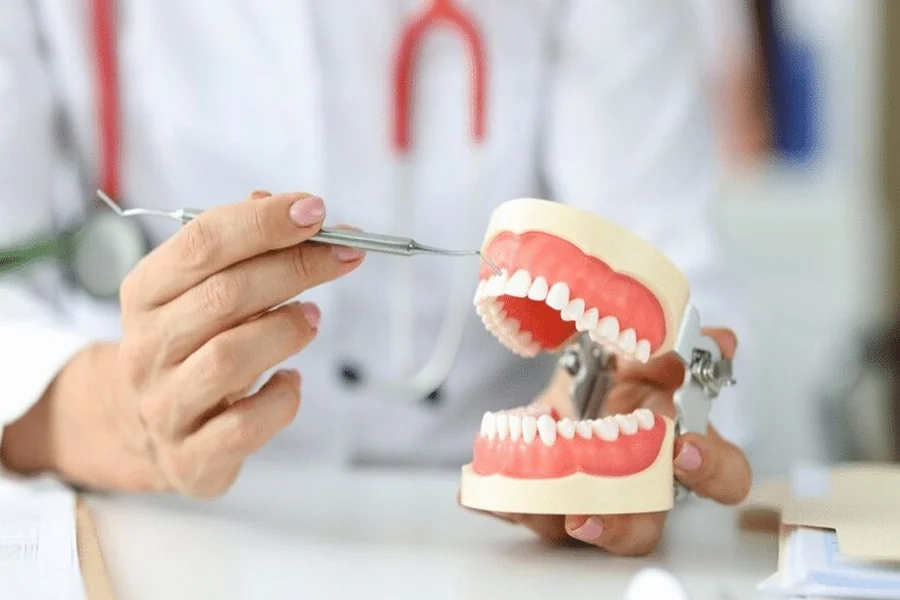
Dentures are an essential solution for many individuals who have lost multiple teeth, restoring both functionality and confidence in daily life. Over time, however, dentures can develop wear and tear due to constant use, accidental drops, or changes in the structure of your mouth.
This is where the decision arises: should you repair the existing dentures or opt for a complete replacement? Making the right choice is important not only for oral health but also for long-term comfort and cost-effectiveness. Understanding the differences, benefits, and potential downsides of both options can help you make an informed decision that suits your lifestyle and dental needs.
Understanding Denture Repairs
Denture repairs are performed when an existing set of dentures becomes damaged but can still be salvaged. Cracks, chips, or a broken tooth in the denture are common reasons for repair. A dental professional can usually fix minor damage quickly, often within the same day, depending on the extent of the issue.
The main advantage of repairs is convenience. Instead of being without dentures for an extended period, you can often have them restored and continue using them without a major interruption. Repairs also tend to be more cost-effective than purchasing a completely new set, making them appealing for individuals looking to extend the life of their current dentures.
However, repairs have limitations. If the dentures have undergone multiple fixes in the past or if they no longer fit properly due to gum and bone changes, repairing them may not solve underlying problems. Repeated repairs can also weaken the structure of the dentures over time, leading to recurring issues.
When Denture Repairs Are the Right Choice
Repairs are often the best option in cases where the damage is minor or your dentures are still relatively new. For instance, a small chip or a single tooth that has broken off can often be repaired without affecting the integrity of the entire denture.
Repairs are also a good short-term solution if you need a quick fix while considering long-term options. For example, if you have an event coming up or need time to plan for new dentures financially, repairs can keep your current set functional until you are ready for a replacement.
It is important, however, to have a dental professional assess the extent of the damage. DIY fixes or home repair kits can cause more harm than good, potentially making professional restoration impossible.
When It’s Time to Consider Replacement Dentures
In some cases, repairing your dentures repeatedly may only offer a temporary solution. Over time, dentures can lose their fit due to natural changes in your gums and jawbone. Ill-fitting dentures can lead to discomfort, mouth sores, and even difficulty chewing or speaking properly. When these issues arise, replacement is often the better choice.
Choosing Replacement Dentures from Fixed Dental Care allows you to start fresh with a set that is designed to fit your current oral structure. Modern denture technology has also advanced significantly, offering improved comfort, durability, and aesthetics compared to older models. This means your new dentures can look more natural while providing a better bite and overall function.
Key Factors to Consider Before Making a Decision
Before deciding whether to repair or replace your dentures, there are a few essential factors to evaluate:
- Extent of Damage – Minor cracks or chips may be repaired, but severe structural damage typically calls for replacement.
- Denture Age – Older dentures are more prone to fit issues and may not be worth repeated repairs.
- Comfort and Fit – If your dentures cause pain, sores, or frequent slipping, replacement is likely the better long-term choice.
- Cost and Insurance – While repairs are cheaper initially, repeated fixes may end up costing more than a new set in the long run.
- Lifestyle Needs – Individuals with active lifestyles or those who rely heavily on their dentures for daily function may prefer the reliability of new dentures.
Considering these points will help you balance convenience, cost, and health outcomes. A professional evaluation is always recommended, as your dentist can determine whether a repair will be safe and effective or if replacement will provide better overall results.
The Role of Professional Guidance
One of the most important steps in deciding between repair and replacement is consulting with a qualified dental professional. They can examine the fit of your current dentures, assess the extent of the damage, and offer personalized advice. Dentists may also recommend alternative options such as partial replacements, relining, or even transitioning to implant-supported dentures for better stability.
Professional guidance ensures that your decision supports both immediate comfort and long-term oral health. Ignoring the problem or trying to fix dentures yourself can lead to bigger issues, including gum irritation, infections, or accelerated jawbone loss.
Ultimately, maintaining consistent communication with your provider is the best way to safeguard your dental health as your mouth naturally changes over time. According to this professional dentist in Yorktown VA, by prioritizing expert care, you invest in a functional solution that fits your lifestyle and protects your overall well-being.
Final Thoughts
Choosing between repairing existing dentures and investing in replacement dentures depends on the condition of your current set, your comfort level, and long-term oral health goals. Repairs can be a quick and cost-effective solution for minor issues, but they are not always the best choice for older or poorly fitting dentures. Replacement provides the opportunity for a fresh start with better fit and function, ultimately contributing to improved confidence and quality of life. By consulting a dental professional and weighing all factors, you can make an informed decision that keeps your smile healthy and functional for years to come.
