
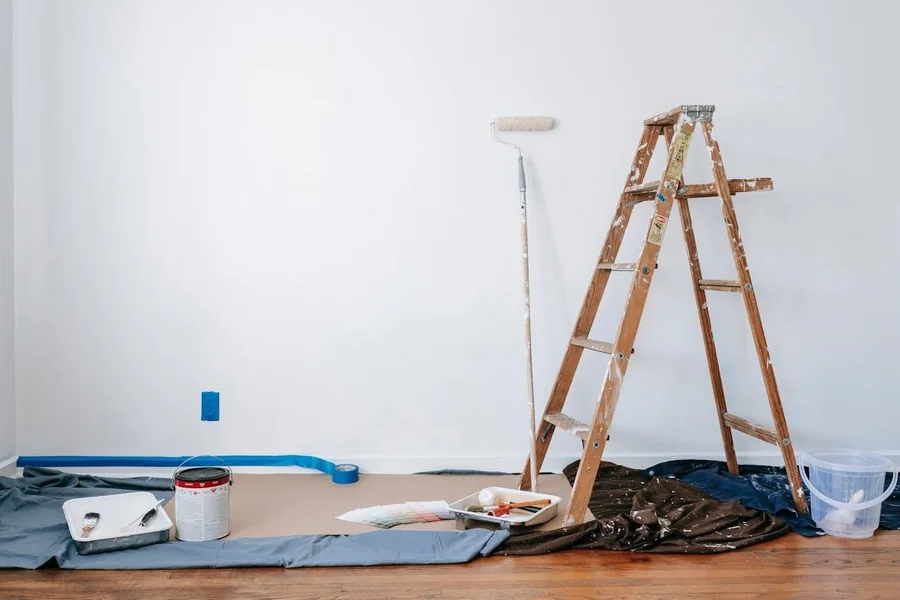
Ever found yourself holding a hammer with a YouTube tutorial paused, wondering, “How hard could this be?” You’re not alone. Each summer, eager homeowners dive into projects with high hopes and online inspiration, only to face uneven results, drained budgets, and unexpected heat. What starts as a simple upgrade often turns stressful thanks to rushed timelines, humidity, and social media-fueled overconfidence.
In this blog, we will share the most common errors people make when upgrading their homes during the summer, along with what you can do to avoid them.
Jumping Into Projects Without a Plan
Diving into a summer project without planning is a recipe for delays and extra costs. Inspired by a neighbor’s makeover or a quick online video, many people underestimate how much time, effort, and money upgrades actually require. Tasks like painting or installing fixtures involve more steps than expected—prepping, safety checks, even mold surprises. On top of that, inflation means materials may cost far more than last year.
Before lifting a tool, map it out: know your goal, timeline, current costs, and whether you’ll need expert help. A checklist now can save headaches later.
Overlooking Indoor Upgrades That Matter Most
It’s easy to focus on what’s outside—fresh paint, new patio furniture, maybe a garden box or two. But when the sun really starts cooking, it’s the inside of your home that counts. One of the most common summer mistakes is ignoring indoor systems that help you survive July and August.
Let’s talk about AC installation. It’s a topic that many delay until it’s already sweltering. By that point, you’re not choosing the best option—you’re picking what’s available. Worse, installation appointments book up fast during the summer. Many HVAC professionals are running back-to-back calls by mid-June, and waiting lists grow longer the hotter it gets.
If your home has an older system or inconsistent cooling in certain rooms, waiting too long to act can cost you. Not just in money, but in comfort and peace of mind. Heatwaves are becoming more frequent, and sudden temperature spikes can leave families scrambling. It’s smarter to take care of it early in the season, while prices and availability are still manageable.
Besides, newer systems can save you money on energy bills. They also use eco-friendlier refrigerants and help reduce your home’s carbon footprint. With energy costs rising across many states, upgrading your cooling system is more than just a comfort fix. It’s a financial decision with long-term benefits.
Ignoring Weather Patterns and Climate Shifts
We live in a time where the weather feels increasingly unpredictable. One week, it’s 60 degrees. The next, you’re watching your lawn fry under triple-digit heat. And yet, homeowners often plan summer projects like it’s 1995—when seasons were predictable and heatwaves weren’t breaking records.
Here’s the problem: heat affects everything. Paint dries too fast or unevenly in direct sun. Wood swells and contracts in high humidity, causing alignment issues with decks or fences. Even something simple like staining furniture can go wrong if you don’t account for rapid drying times.
Then there’s the rain. Summer storms can pop up out of nowhere, especially in parts of the country prone to flash floods or sudden downpours. If you don’t check the forecast regularly, you might find yourself with soaked supplies, ruined lumber, or a half-dug trench that turns into a mudslide.
What’s the fix? Build your calendar around weather patterns. Use apps with detailed forecasts, not just temperature but wind, humidity, and precipitation chances. And if you’re hiring someone, make sure they factor in delays. A good contractor should always have a Plan B for weather setbacks.
Choosing Style Over Function
Everyone wants a stylish home. Clean lines, earthy tones, sleek furniture—it’s the dream. But too often, people chase aesthetics at the cost of practicality. That trendy tile might look great in your bathroom…until it turns slippery and dangerous with a little water. That beautiful glass door might add charm, but it also turns your living room into a sauna by noon.
This is especially true during summer. People forget how much direct sunlight impacts a home’s interior. Decorative pieces fade. Cheap materials crack. Even flooring can warp if it’s not rated for heat or moisture.
Instead of chasing every new design trend, think about how you use your space. Do you need more shade, better airflow, stronger insulation? Start there. Then find options that look good and serve a purpose. The best design always balances beauty with comfort and long-term use.
Trying to DIY Everything
The DIY movement has had a major comeback in recent years. TikTok, Instagram, and YouTube are full of short videos where people transform their homes in a weekend. And while it’s fun to watch someone flip a whole kitchen with a drill and a dream, real life doesn’t come with a rewind button.
Many summer upgrades involve more risk than people expect. Replacing fixtures? One wrong connection can lead to electrical fires. Putting in new windows? That’s structural work, not just plug-and-play. Even hanging a ceiling fan involves safety steps that can’t be skipped.
This doesn’t mean you shouldn’t try new things. It means knowing where your limits are. If you’re not confident or experienced, hire a professional for anything involving wiring, gas lines, plumbing, or large structural changes. Save your energy for the projects that don’t require a license or liability insurance.
Skipping Maintenance in Favor of Upgrades
Everyone loves something new. A new kitchen faucet, new tile backsplash, new backyard lights. But while we’re chasing upgrades, we often ignore the systems quietly keeping the house running.
Maintenance isn’t exciting. It doesn’t get likes on Instagram. But skipping it can wreck your summer fast. A clogged gutter, for example, can overflow during a storm and damage your siding. An unchecked dryer vent can become a fire hazard in hot weather. Old weather stripping around doors can let in warm air and drive up cooling costs.
Instead of putting all your effort into shiny improvements, spend one weekend on maintenance tasks. Check smoke alarms. Replace air filters. Clean vents and fans. Walk around your home with a critical eye. The things you don’t notice now are the ones that usually fail first when the temperature peaks.
Whether you’re painting, planting, building, or upgrading, summer home projects can be rewarding—or a total headache. It all depends on how well you plan, what you prioritize, and how realistic you are about your time, budget, and skills. The next time you get the itch to renovate during a heatwave, take a step back. Avoid the hype, respect the forecast, and don’t let a five-minute video decide your weekend. Your home—and your sanity—will thank you.

