
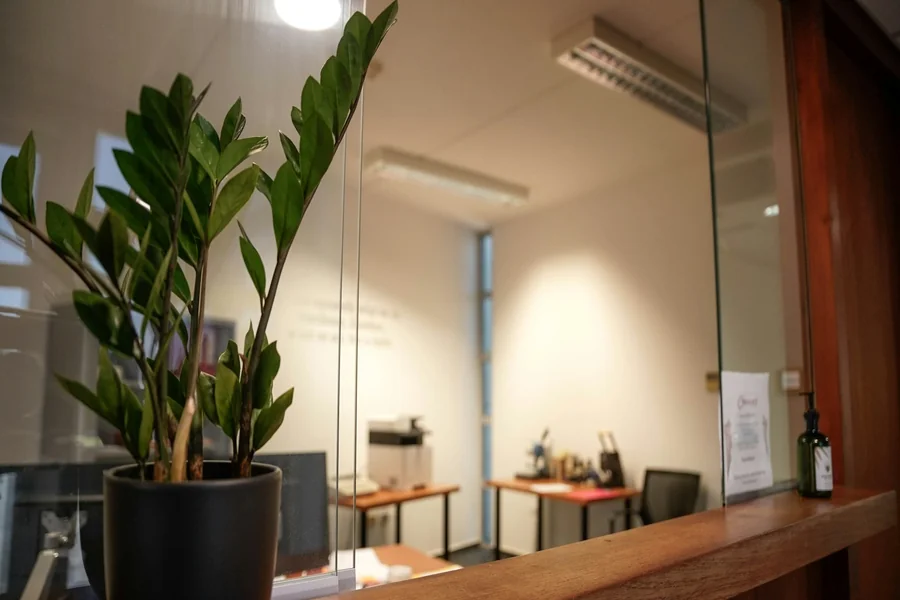
Most businesses see their offices, coworking hubs, or retail units as boxes to fill—overhead that must be paid every month. But here’s the truth: the way you handle property management can shape the entire future of your company. It’s not just about keeping the lights on or fixing leaky pipes. It’s about creating a space that fuels growth, attracts talent, and keeps your team inspired. And when you look at it through that lens, your spaces stop being costs and start becoming advantages.
The Old Way of Seeing Things
For a long time, spaces were just bills. Rent was money disappearing from your account every month. The lights had to stay on, even if nobody cared how harsh or dim they were. Repairs were annoying but unavoidable. The copier jammed, the ceiling leaked, the carpet wore thin — all of it became background noise. Nobody really gave much thought beyond that.
The focus was always survival. Cheap was the target. You cut corners wherever you could — push off painting another year, ignore the draft by the window, delay upgrading the chairs. As long as the walls stood and the internet kept running, it seemed like enough. “Functional” was the word that ruled.
But you’ve probably seen how that story plays out. Slowly, the “good enough” office starts to lose its charm. The air feels heavier, the lighting drains people, and the neglected corners remind everyone of compromises. Clients walk in, glance around, and don’t feel inspired. Employees drag themselves through the day, counting hours instead of making progress.
A Different Lens
Now imagine flipping the script. Picture your space not as overhead, but as leverage. Not a burden on the balance sheet, but a tool that works for you.
Think about the companies that stand out to you. Half the time, it isn’t just their product or service that grabs attention — it’s the environment they’ve built around it. Their offices don’t feel like generic rooms with desks. They feel alive. Every detail, from the lobby to the meeting rooms, carries intention. Even the break corners feel curated, like someone asked, “What kind of energy do we want people to feel here?”
When you manage a space with that mindset, something shifts. The difference is almost invisible at first, but it’s there. Employees perform better because they’re no longer suffocating under buzzing fluorescent lights or crammed into cubicles that look like relics from another era. Instead, they feel seen, cared for, and energized. Clients step inside and immediately sense confidence.
Where the Opportunity Hides
This is the part most people miss. Smart management of a space doesn’t just prevent problems. It creates openings.
Unused corners? Dead zones? Those can turn into collaboration pods. Or into rentable spots that bring in cash.
Old systems draining money every month? Upgrade them. Energy bills shrink. Employees waste less time. Suddenly, you’ve saved more than you thought possible.
Even the sustainability angle—yes, it sounds like a buzzword. But it’s not just greenwashing anymore. Buildings that run clean, that conserve energy, that recycle—it’s a signal. To workers, to clients, to the world. It says you’re serious about the future. And it saves money while doing it.
So the overhead you used to resent? It starts working for you instead.
The Advantage Nobody Talks About
Everyone is obsessed with tech. AI, data, whatever’s trending on LinkedIn this week. But while everyone’s chasing the next digital edge, a quieter edge is sitting under their nose: the physical places where their people show up every day.
Your space shapes behavior. It shapes culture. And if you manage it like a true asset, it becomes a competitive advantage.
No gimmicks here. Just intentional choices. Spaces that reflect your values. Layouts that flex as you grow. Environments that whisper to your team, you belong here.
And when you pull that off, it does something remarkable—it sticks. Employees remember it. Clients feel it. Competitors can’t copy it overnight. That’s power. Real, lasting power.
Wrapping It Up
Property management isn’t about rent or repairs. It’s about vision. About whether you see your spaces as dead weight… or as one of your strongest tools. Managing them well isn’t just about checking boxes. It’s about aligning your environment with your ambition. The office, the coworking hub, the retail floor—each one can either slow you down or push you forward. And the funny part? The advantage has been right there, hiding in plain sight. All it takes is a shift in how you think about it.

