
Window tinting has become one of the most popular upgrades for vehicles, homes, and commercial spaces. While many people associate tinted windows with sleek aesthetics, the reality is that tinting offers far more than just good looks. From improving comfort to enhancing safety and energy efficiency, window tinting is a practical investment that delivers long-term benefits. In this comprehensive guide, we’ll cover everything you need to know about window tinting so you can make an informed decision.
What Is Window Tinting?
Window tinting is the process of applying a thin, transparent film to glass surfaces. This film is designed to reduce the amount of sunlight and UV radiation that enters through the glass. Depending on the type of film used, tinting can provide benefits such as heat reduction, glare control, UV protection, privacy, and enhanced safety.
Tinting films come in a variety of shades and performance levels, giving you the ability to customize the balance between appearance and functionality. Whether you’re looking for subtle UV protection or a darker tint for maximum privacy, there’s an option available to suit your needs.
Types of Window Tint Films
Not all tint films are the same. Here are some of the most common types:
- Dyed Film: The most affordable option. It provides a darker look and reduces glare but offers minimal heat rejection and tends to fade over time.
- Metalized Film: Contains tiny metallic particles that reflect heat and UV rays. It’s more durable than dyed film but can interfere with cell phone or GPS signals.
- Carbon Film: Offers a sleek matte finish and excellent UV protection. Carbon tint doesn’t fade and provides solid heat reduction.
- Ceramic Film: The highest-quality option. It blocks up to 99% of UV rays, offers superior heat rejection, and doesn’t interfere with electronics. Ceramic films are more expensive but provide the best performance and longevity.
Benefits of Window Tinting
1. UV Protection
One of the most important advantages of window tinting is its ability to block harmful UV rays. Extended exposure to UV radiation can damage skin and lead to fading or cracking of interiors. High-quality tinting protects both people and property.
2. Heat Reduction
Tinted windows can significantly reduce the amount of solar heat that enters your car, home, or office. This makes interiors more comfortable and reduces the strain on air conditioning systems, lowering energy consumption.
3. Glare Control
Glare from the sun or headlights can be both annoying and dangerous. Tinting minimizes glare, improving visibility for drivers and reducing eye strain indoors.
4. Privacy and Security
Tinted windows provide greater privacy by making it more difficult for outsiders to see inside. They also add a layer of security since the film helps hold glass together in case of accidents or break-ins.
5. Aesthetic Appeal
There’s no denying that tinted windows enhance the overall look of a vehicle or building. They give a sleek, modern appearance while also increasing property or resale value.
Window Tinting Laws
Before getting your windows tinted, it’s important to understand the legal restrictions in your state or country. Laws typically regulate how dark or reflective a tint can be, especially for vehicles. Failing to comply with local laws could result in fines or the need to remove and redo the tint. Professional installers are familiar with these regulations and can help ensure your tinting job meets legal standards.
DIY vs. Professional Installation
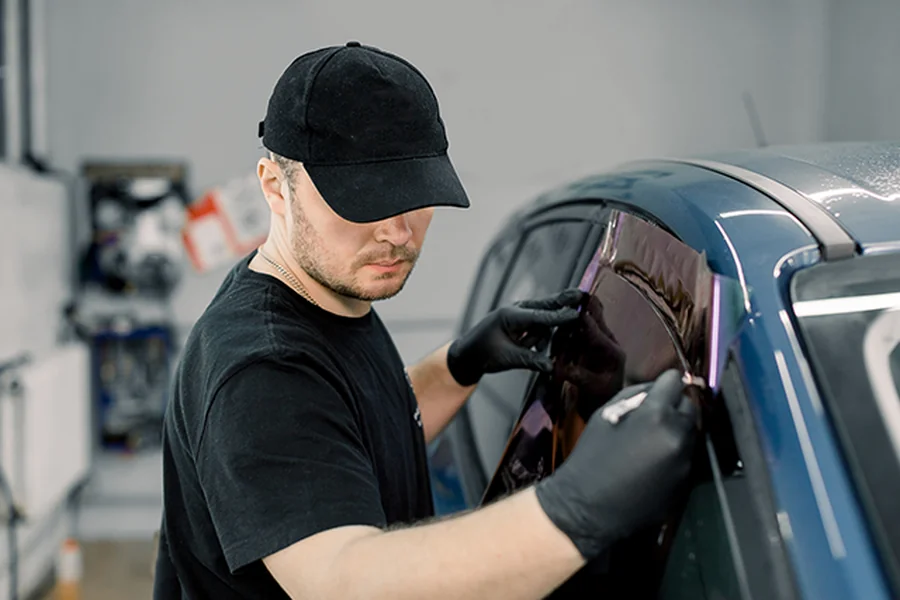
While DIY tint kits are available, professional installation is strongly recommended. DIY jobs often result in bubbling, peeling, or uneven coverage, which not only looks bad but also reduces performance. Professionals use high-quality films and precision tools to ensure a perfect finish. They also provide warranties, giving you peace of mind that your investment will last.
Window Tinting for Different Applications
- Automotive Tinting: Enhances driving comfort, reduces glare, and protects passengers from UV rays. It also improves the car’s appearance and resale value.
- Residential Tinting: Keeps homes cooler, reduces energy bills, protects furnishings, and adds privacy without blocking natural light.
- Commercial Tinting: Improves workplace comfort, lowers utility costs, protects office equipment, and gives buildings a more professional look.
Maintenance Tips for Tinted Windows
To ensure the longevity of your tint, follow these care tips:
- Wait a few days before cleaning newly installed tint to allow it to fully cure.
- Use soft cloths and ammonia-free cleaners to avoid damaging the film.
- Avoid sharp objects that could scratch the tint.
- Regularly inspect your windows to catch early signs of damage.
Common Misconceptions About Window Tinting
- “Tinting is only for looks.” While it does improve appearance, tinting offers protection, efficiency, and safety benefits.
- “All tints are the same.” Quality varies greatly. Professional-grade films outperform cheap alternatives.
- “Tinting is too expensive.” While premium films cost more, the long-term savings in energy bills and interior protection make it cost-effective.
Why Now Is the Perfect Time to Tint Your Windows
With rising energy costs, increasing sun exposure, and a growing focus on health and safety, window tinting is more relevant than ever. It’s a simple upgrade that provides immediate comfort, long-term savings, and lasting protection.
If you’re considering window tinting for your car, home, or business, professional installation is the way to go. To explore high-quality services and find a solution tailored to your needs, you can learn more from trusted experts.
Final Thoughts
Window tinting is a versatile, cost-effective upgrade with benefits that extend well beyond aesthetics. From protecting your skin and interiors to saving money on energy bills and enhancing security, it’s a smart choice for any vehicle or property owner. Whether you’re looking for more comfort, style, or efficiency, tinted windows deliver on all fronts.
Now that you know everything about window tinting—from types and benefits to maintenance and legal considerations—you’re ready to make an informed decision that will pay off for years to come.

