
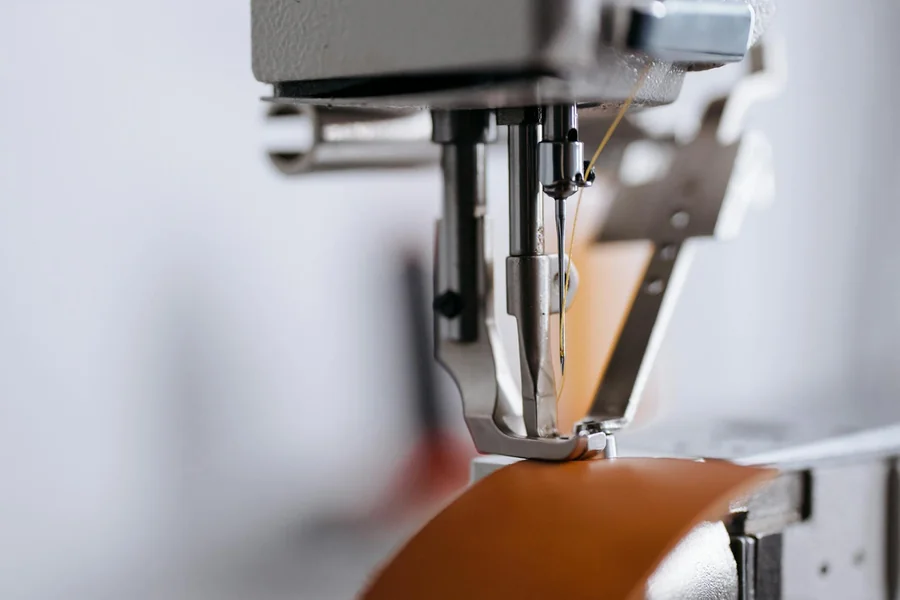
When most people think of sewing, they picture a small home machine or someone hand-stitching fabric. But behind the clothes in your closet, the mattress you sleep on, and even the furniture you relax on, there’s a world of powerful industrial sewing equipment. These machines are the hidden force that allows everyday products to be made with the durability, comfort, and style we expect.
The Clothes We Wear
Every shirt, pair of jeans, uniform, or jacket you’ve ever owned has likely been touched by industrial sewing. These machines make it possible to produce garments in the thousands, each one consistent in fit and finish.
Attachments are what give these machines their versatility. For example:
- Collar and cuff folders ensure neat, repeatable finishes on shirts.
- Elastic waistband applicators allow activewear and underwear to stretch and fit comfortably.
- Zipper and pocket setters add the functional details we rely on every day.
Without these specialized tools, the little features that make clothes practical and stylish would take far longer to produce and wouldn’t have the same level of consistency.
The Beds We Sleep On
A mattress may seem like a single, simple product, but it’s actually the result of multiple layers stitched and bound together. Quilted tops add softness and design, while heavy-duty seams and tape edges keep everything in place for years of use. Handles, zippers, and decorative borders are also sewn on, combining practicality with style.
Attachments here make a huge difference, too. Tape-edge machines use guides to wrap and stitch the border neatly, while rufflers can create decorative edges or add texture. Handle setters add the straps that make moving a mattress easier, and zipper attachments allow covers to be removable for cleaning—something consumers increasingly value.
The Furniture That Makes a Home
From the sofa in your living room to the cushions on your favorite chair, upholstery depends on sewing systems built to handle heavy fabrics, foams, and even leathers. These stitches do more than hold materials together—they give furniture its shape, comfort, and durability.
Here, attachments such as welting folders add decorative piping to the edges of cushions, while binder attachments neatly secure thick seams without bulk. Long-arm guides allow large pieces of fabric to be maneuvered easily, making it possible to stitch across wide upholstery panels. These tools don’t just speed up production—they also ensure the final product looks polished and feels comfortable.
Details That Make the Difference
What makes industrial sewing remarkable is its ability to handle details at scale. Think about the decorative piping on a cushion, the ruffles on a dress, or the neat edge on a mattress border—these touches are made possible by specialized attachments that guide fabric, fold edges, and position trims with absolute consistency. They might go unnoticed most of the time, but they’re what give products character, style, and that finished look we all appreciate.
Behind the Scenes
While most of us never see these machines in action, they’re the quiet backbone of multiple industries. Companies like Atlantic Automation Co. provide not only the machines themselves, but also the attachments and custom solutions that allow manufacturers to adapt quickly to different designs as well as the spare parts that the machines will sometimes require. That’s how clothing brands can shift from jeans to hoodies, or how mattress makers can offer both luxury pillow-tops and practical zip-off covers.
In Summary
Industrial sewing isn’t just about stitches. It’s about the clothes that fit just right, the mattress that gives you restful sleep, and the furniture that makes your home feel inviting. The secret lies in the attachments and tools that let one machine create countless different finishes, details, and styles. Next time you zip up a jacket, sink into your sofa, or climb into bed, you’ll know there’s more craftsmanship stitched into your everyday life than meets the eye.

