
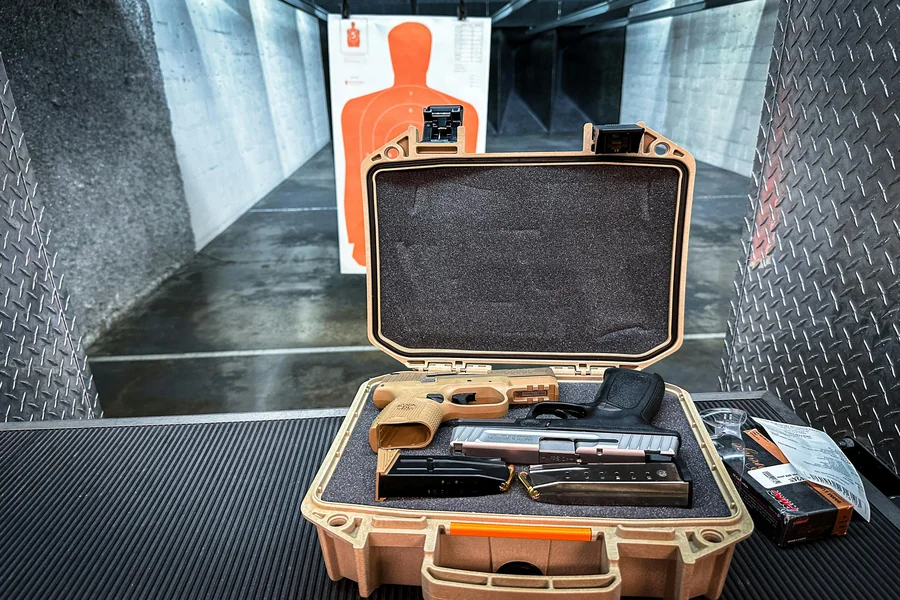
Owning a weapon is a serious decision that comes with both rights and responsibilities. For many, it provides a sense of safety and protection, especially in uncertain situations. But safety is not only about carrying a weapon — it’s about following the law and protecting yourself and others through responsible ownership. In recent years, Las Vegas has seen a notable drop in violent crime rates. This is proof that strong law enforcement and community awareness make a difference.
So, if you’ve decided to own or carry a weapon, you must know how to do so responsibly. This article will guide you through the key steps to ensure your safety while staying compliant with the law.
Secure Your CCW Carry Permit
While Las Vegas has seen encouraging declines in violent crime, property crimes, and motor vehicle theft continue to create challenges for residents. For many, this means considering carrying a firearm for added security. But carrying a weapon without the proper concealed carry permit, often called a CCW, can create more risk than protection. Law enforcement in Las Vegas and across Nevada takes illegal possession seriously, and penalties for breaking these rules can be severe.
The best way to stay compliant is to begin the process of securing your permit through the proper channels. The first step here is to actually learn how to operate the weapon and carry it responsibly. For anyone who wants to enroll in a CCW carry permit class Las Vegas has several well-reputed training facilities, such as The Range 702, that offer courses covering everything from firearm safety to awareness lessons. Training is not just about passing a test—it is about making sure you never put yourself or others in harm’s way through lack of preparation.
Passing the course and obtaining your permit means you are prepared not only to carry your weapon but to do so in a way that respects the safety of the community.
Safe Storage Protects Everyone
Being a responsible weapon owner does not end when you put your firearm away. In fact, safe storage is one of the most important aspects of ownership. A gun left unsecured in a drawer or glove compartment poses a significant risk, especially if children or untrained adults are nearby. Responsible storage means using a locked safe or a secure lockbox, with ammunition stored separately.
This simple practice prevents tragic accidents and protects you from liability if your firearm is accessed without your permission. It also ensures that if your home is ever broken into, your weapon will not fall into the wrong hands.
Respect “Gun-Free” Zones
Many locations have strict no-weapon policies, and ignoring these restrictions can bring immediate legal consequences. Schools, government offices, and certain businesses enforce gun-free zones for safety reasons. Carrying your firearm into these areas, even unintentionally, can lead to arrest or the loss of your permit.
It is important to familiarize yourself with these restrictions before heading out with your weapon. Pay attention to posted signs and remember that private businesses have the right to set their own policies. Respecting these rules shows that you value not just your rights but also the safety and comfort of others.
Understand Self-Defense Laws
Carrying a weapon gives you a strong sense of security, but knowing when you can legally use it is critical. Self-defense laws differ from state to state, and misunderstanding them can lead to serious legal trouble. In Nevada, for example, the law recognizes your right to protect yourself if you face an immediate threat of death or serious injury. However, that does not mean you can use your weapon in every tense encounter.
Understanding what qualifies as “imminent danger” is essential. You cannot draw or fire your weapon simply because someone makes you uncomfortable or insults you. The law requires that you reasonably believe your life or the life of someone else is at risk. Situations like property disputes or verbal arguments do not justify deadly force. If you misuse your weapon, prosecutors may argue that you crossed the line, even if you thought you were acting in self-defense. That is why it is vital to study the law, ask questions during training, and seek clarification whenever you are unsure.
Maintain Your Firearm Properly
A firearm is a mechanical tool, and like any tool, it requires regular upkeep to stay reliable. Neglecting maintenance can lead to malfunctions, which could be dangerous if you ever need to use your weapon in an emergency. A dirty barrel or worn part can cause jams or misfires, putting you and others at risk.
Responsible owners take time to clean their weapons after use and inspect them for damage or wear. This process does not require advanced skills but does demand consistency. Many training courses include maintenance basics, and manufacturers often provide detailed instructions. Proper care shows discipline and respect for the responsibility you have taken on.
Carry Only When Necessary
The right to carry a weapon should not turn into a habit of carrying everywhere without thought. Responsible ownership means knowing when carrying is appropriate and when it is not. Ask yourself whether the environment you are going into truly justifies the need to be armed. If you are heading to a high-risk area late at night, it may make sense. But carrying it into every low-risk setting might increase the chance of an unnecessary confrontation.
Carrying only when necessary also reflects maturity as an owner. It shows that you do not view your weapon as a solution to every problem but as a last resort for true emergencies. Making careful choices about when to carry helps protect you legally and mentally.
Stay Updated on Law Changes
Weapon laws do not remain the same forever. Legislators regularly adjust them in response to changes in crime patterns, public opinion, or national events. What is legal today may carry penalties tomorrow. For owners, this means staying alert to updates is part of the responsibility.
You can track law changes through government websites, trusted firearm associations, or legal resources. Subscribing to updates or joining a local firearm safety group can help you stay informed. Ignorance of the law is not a defense, so you cannot afford to fall behind.
Choosing to own a weapon is a decision that shapes your personal safety as well as the way you interact with your community. It places you in a position where every choice carries weight. By approaching ownership with humility, discipline, and awareness, you ensure that your weapon serves its true purpose: protection, not escalation. The measure of responsible ownership is not found in how often you carry or how quickly you act, but in how thoughtfully you balance your rights with your responsibilities.

