
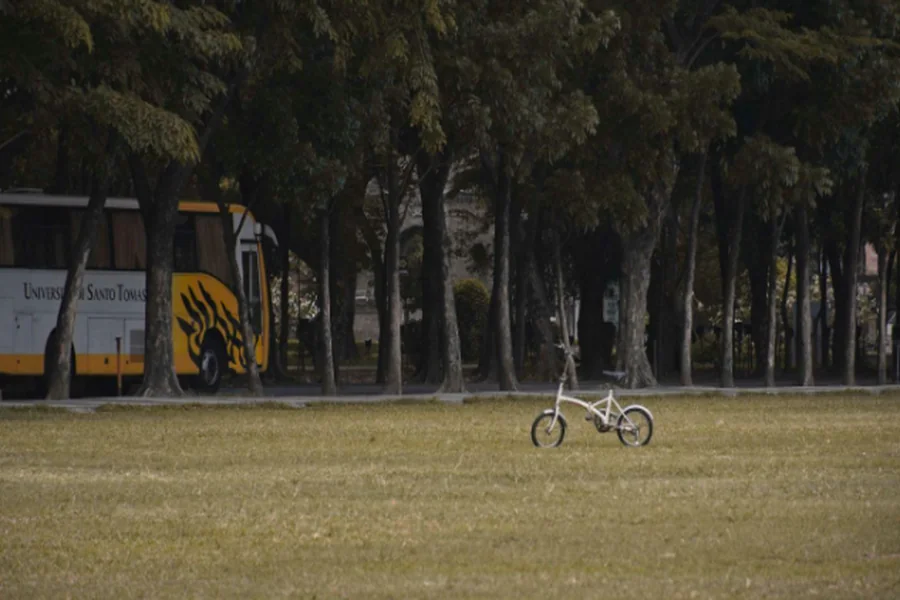
We’ve all heard the stories, maybe even experienced it ourselves – a bike gone missing. It’s frustrating, right? We wanted to dig into why this keeps happening and what we, as riders, can actually do to stop it. It turns out, it’s not always about the value of the bike itself, but more about how easy it is for someone to take it. Let’s break down why bike theft persists and what really makes a difference.
Key Takeaways
- Bike theft often happens because bikes can be easily sold or traded, almost like street currency, even if the profit for the thief isn’t huge. Police often don’t focus on these lower-value thefts because the risk is low.
- Opportunity plays a big role. Thieves go for bikes that are unlocked or poorly secured, making them easy targets. They quickly size up which bikes are the easiest to steal.
- Using a good quality lock and knowing how to use it correctly is our best defense. Layering multiple security measures makes a bike much less appealing to a thief.
- The way stolen bikes are resold, often online or in different cities, makes it hard to track them down, which keeps the cycle of theft going.
- Common mistakes like relying only on cable locks or forgetting to secure both wheels leave bikes vulnerable. We need to be smarter about how we lock up.
It’s a question many of us ask: why does bike theft seem so common when, honestly, stealing a bike isn’t exactly a get-rich-quick scheme? We’ve all heard stories, and maybe even experienced it ourselves, where a bike just vanishes. The reality is, while the profit margins for thieves aren’t huge, several factors keep this crime going.
Bikes as Street Currency
For some, bikes aren’t just about getting from point A to point B; they become a form of quick cash, or what some call ‘street currency.’ Think about it – unlike a TV or a laptop, a bike is often left outside, unattended, making it an easy target. While not every stolen bike is flipped for top dollar, many are sold off quickly for whatever they can get, often for a fraction of their original cost. This makes them accessible for quick transactions in certain circles.
Limited Profit Margins for Thieves
Let’s be real, most stolen bikes don’t fund a lavish lifestyle. Unless a thief has a buyer lined up for a high-end bike, or they’re part of a more organized operation, the payout for a typical stolen bike is pretty low. It takes effort to find a buyer, especially for less expensive models, and the risk often outweighs the reward for the average thief. This is why many bikes end up being sold for very little.
Minimal Police Interest in Low-Value Thefts
This is a big one. Because the individual profit from a single stolen bike is often small, police departments typically don’t have the resources or the mandate to dedicate significant effort to recovering them. Unless a theft involves a very expensive bike or is part of a larger criminal investigation, it often falls low on the priority list. This lack of enforcement means that for many thieves, stealing a bike is a low-risk, albeit low-reward, activity.
The Role of Opportunity in Bike Theft
Easy Targets for Opportunistic Thieves
We’ve all seen them: bikes left unlocked for just a minute, or those secured with flimsy cable locks. These aren’t just minor oversights; they’re open invitations to thieves. Opportunistic criminals aren’t usually master planners; they’re looking for the path of least resistance. A bike that’s easy to grab, easy to break into, or easy to ride away on is a prime target. It’s less about the value of the bike and more about the immediate availability and the effort required to snatch it.
The Appeal of Unlocked or Poorly Secured Bikes
It’s a simple equation for a thief: less effort equals higher reward. A bike that’s not locked at all is essentially free for the taking. Similarly, bikes secured with inadequate locks, like thin cables, can be cut through in seconds with basic tools. We often underestimate how quickly a determined thief can work, especially when the target is low-risk. This is why even a quick stop at a convenience store requires proper locking.
Thieves’ Quick Assessment of Vulnerability
Thieves are surprisingly good at quickly sizing up a situation. They’re constantly scanning bike racks, looking for the easiest marks. A bike that’s locked carelessly, or with a lock that looks easily defeatable, is far more likely to be targeted. They’re not just looking at the bike itself, but also its surroundings. Is it in a busy, well-lit area, or tucked away in a secluded spot? We need to make our bikes less appealing by presenting a more difficult challenge. Locking your bike properly, even for a short time, significantly reduces its attractiveness to these quick-decision criminals. Remember to always lock your frame and at least one wheel to a sturdy object, like a bike rack if one is available. Proper parking also helps maintain clear pathways for pedestrians [fb63].
- Locking: Always use a high-quality U-lock or heavy-duty chain lock.
- Location: Choose well-lit, high-traffic areas.
- Technique: Secure the frame and at least one wheel to an immovable object.
Leaving your bike in a concealed or covered spot might seem like a good idea to hide it from the elements, but it can easily provide cover for a thief. It’s always preferable to lock your bike in a well-lit and highly-trafficked area where thieves are less likely to risk being seen.
Effective Strategies to Deter Bike Theft
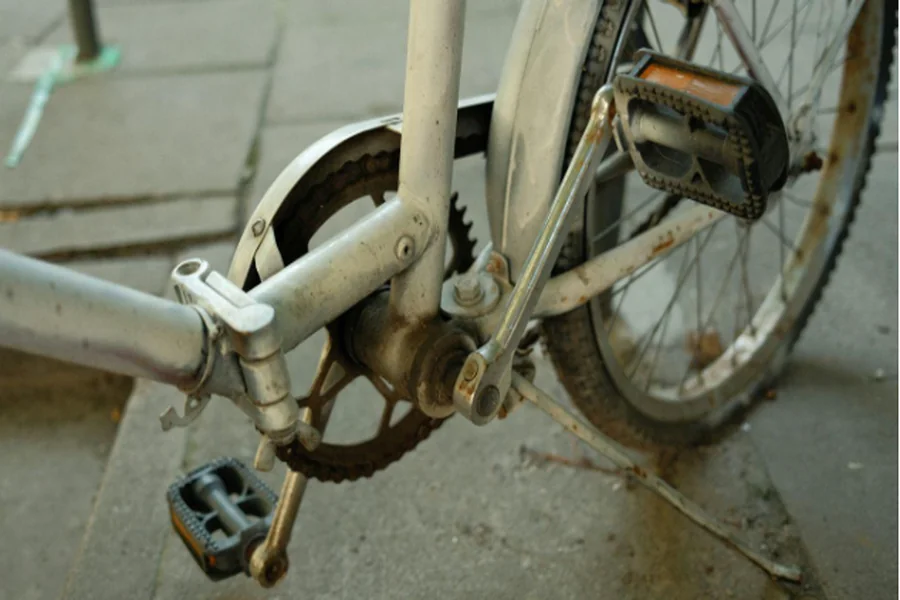
We all want to keep our bikes safe, and thankfully, there are solid ways to make them less appealing targets for thieves. It really comes down to making your bike a harder mark than the one next to it.
The Importance of Quality Locks
This is non-negotiable. Investing in a good lock is the first and most important step we can take. Think of it as the primary defense. We’ve seen too many bikes disappear because they were secured with flimsy cable locks that a thief can cut through in seconds. A heavy-duty U-lock or a thick, hardened steel chain lock is what we should be aiming for. For a compact, high-security choice that consistently resists common attacks, see our Kryptonite Fahgettaboudit Mini review for pros, cons, and real-world fit on crowded racks. These are the types of locks that require specialized tools and significant time to break, often more time than a thief is willing to spend.
Proper Locking Techniques
Having a great lock means nothing if we don’t use it correctly. The goal is to make stealing the bike as difficult as possible. This means locking the frame to an immovable object, like a solid bike rack or a sturdy metal pole. Don’t just lock the wheel; thieves can often remove the wheel and take the rest of the bike. We need to secure the frame itself. If you have a U-lock, try to position it so it fills the space between the frame and the object you’re locking to, leaving minimal room for a thief to work a pry bar into. If you’re using a chain, wrap it through the frame and at least one wheel.
Here’s a quick rundown of best practices:
- Lock the frame: Always secure the main triangle of your bike’s frame.
- Secure a wheel: Whenever possible, lock at least one wheel to the frame and the immovable object.
- Use a secondary lock: For added security, especially if you have quick-release wheels or a valuable bike, consider a second lock for the other wheel.
- Lock to something solid: Ensure the object you’re locking to cannot be easily cut, dismantled, or lifted.
Layering Security Measures
Think of security like an onion – multiple layers are better. Beyond just a good lock, we can add other deterrents.
- Remove accessories: Take off lights, computers, and anything else that’s easily detachable and valuable. These are often stolen even if the bike itself is secured.
- Consider seat security: Many saddles are held on with quick-release levers or simple bolts. A small cable lock looped through the saddle rails and around the seat tube can prevent easy removal.
- Register your bike: While not a physical deterrent, registering your bike with its serial number through programs like Project 529 can significantly help if it’s stolen and recovered. It provides proof of ownership.
- Lock in visible areas: While it might seem counterintuitive, locking your bike in a well-lit, high-traffic area is often safer. Thieves prefer to work unseen.
We need to make our bikes look like more trouble than they’re worth. A bike that’s locked properly with a quality lock, in a visible spot, and with easily removable accessories taken off, is far less likely to be targeted than one that’s carelessly secured or left out in the open.
The Impact of Resale Markets on Theft
Reselling Stolen Bikes Online
It’s a sad truth that many stolen bikes don’t just disappear. They often end up back on the market, sometimes for a fraction of their original price. Thieves know this, and they’ve gotten pretty good at moving their goods. Online marketplaces like Craigslist or Facebook Marketplace have become prime spots for selling stolen bicycles. It’s easier for them to reach a wider audience, and frankly, it’s often less risky than trying to sell locally where someone might recognize the bike.
Shipping Bikes to Other Cities
To really throw people off the scent, some thieves don’t even bother selling locally. They’ll ship stolen bikes to different cities or even states. This makes it incredibly difficult for the original owner to track down their property. If your bike is stolen in New York, you’re probably not going to be checking flea markets in Denver, right? This tactic really highlights how organized some of these operations can be, moving goods far away from where they were taken.
The Challenge of Tracking Stolen Goods
Tracking down stolen bikes is a real headache. Because bikes are relatively low-value compared to cars or electronics, police often don’t have the resources to investigate every theft thoroughly. This lack of attention means stolen bikes can easily slip through the cracks. Even when we try to keep an eye out online, the sheer volume of bikes for sale makes it tough. It’s a constant game of cat and mouse, and unfortunately, the odds are often stacked against us.
Here’s a look at why it’s so hard to track:
- Low Profit Margins: While some thieves get lucky, many only make a small amount of money per bike, especially if they’re selling quickly.
- Anonymity of Online Sales: It’s easy for thieves to create fake profiles or use burner phones to sell items online.
- Geographic Dispersion: Bikes are shipped to different locations, making recovery efforts complicated.
- Lack of Centralized Data: There isn’t a single, easily accessible database that tracks all stolen bikes and their resale.
The ease with which stolen bikes can be moved and resold, often far from where they were taken, is a major reason why bike theft remains a persistent problem. Without better tracking and enforcement, these resale markets will continue to thrive.
Enforcement and Prevention Efforts
Bait Bike Programs and Their Limitations
We’ve seen bait bike programs pop up, and they can be pretty effective at catching thieves. The idea is simple: use a bike rigged with a tracker, leave it somewhere it’s likely to be stolen, and wait for the police to nab the thief. It sounds straightforward, but it’s not always that easy. Sometimes, even when a bait bike is recovered from a place where other stolen bikes are stashed, proving who actually stole it can be a real headache. We’ve heard stories where the bike is found, but no one gets arrested because the evidence isn’t solid enough. Plus, those GPS units aren’t cheap, and if the thief ditches the bike and the tracker, that’s a lot of money down the drain. While these programs can send a message, like “don’t steal bikes around here,” they might just push the problem somewhere else if other areas aren’t also stepping up their game.
The Need for Prosecution and Enforcement
Catching a thief is one thing, but making sure they face consequences is another. Without actual prosecution, these programs lose a lot of their punch. If thieves know they can get away with it, or that even if caught, nothing much will happen, they’ll just keep doing it. We need to see more than just recovery; we need arrests and convictions, especially for repeat offenders. It’s about making theft a risky business for them. Some experts suggest that bait bikes are more effective when they’re higher value, because that can lead to felony charges, which carries more weight. Consistent enforcement and prosecution are key to actually deterring repeat offenders.
Secure Parking as a Deterrent
Beyond catching thieves, we also need to make it harder for them to steal bikes in the first place. This is where secure parking comes in. Think about bike garages or even just well-designed, sturdy racks in well-lit areas. Some universities are getting smart about this, building secure parking structures and even refusing to sell flimsy cable locks, opting instead to educate students on using better locks. It’s about making our bikes less of an easy target. If a thief has to spend a lot of time and effort to steal a bike, they’ll likely move on to an easier mark. Making bikes harder to steal is a proactive step we can all support. If your bike does get stolen, remember to report it to campus police and local law enforcement immediately. If you have a GPS tracker installed, use its data to aid in recovery. Reporting theft is important.
Common Mistakes in Securing Bicycles
We all want to keep our bikes safe, but sometimes we make simple mistakes that make them easy targets. It’s easy to get complacent, especially when we’re just popping into a shop for a minute. But thieves are always looking for the path of least resistance.
The Inadequacy of Cable Locks
Let’s be honest, cable locks are everywhere. They’re cheap, they’re light, and they seem like they’ll do the job. But in reality, they offer very little protection. A determined thief with a decent pair of bolt cutters can get through most cable locks in seconds. We’ve seen it happen too many times. While a heavy-duty cable lock can be a good secondary lock to secure a wheel or a component, it should never be your primary defense. Relying on just a cable lock is like putting a flimsy screen door on your house – it might deter a casual glance, but it won’t stop anyone serious.
The Criticality of Securing Both Wheels
This is a big one, and it’s something many of us are guilty of. We lock the frame to a rack, but leave a wheel dangling. Wheels, especially the rear one with its gears, are valuable. They can be removed with a simple wrench, or even quicker if you have quick-release skewers. If a thief can’t get the whole bike, they’ll often just take a wheel. Always make sure your lock goes through your frame and at least one, preferably both, wheels. If you’re using a U-lock for your frame and rear wheel, a cable can loop through the front wheel and connect to the U-lock. Or, consider using two U-locks for maximum security.
Overlooking Steering Locks and Other Deterrents
Beyond the main lock, there are other things we often forget. What about your seat? Many seats are held on with quick-release levers or simple bolts that can be removed with a small tool. A thin cable looped through the saddle rails and around the frame can prevent this. Also, don’t forget accessories like lights or GPS devices; take them with you. We also need to be mindful of what we’re locking our bikes to. Make sure the object is sturdy and can’t be easily dismantled or lifted. We’ve heard stories of thieves unscrewing entire bike racks. Always check that your bike is secured to a solid object that can’t be easily compromised.
Here’s a quick rundown of what to avoid:
- Using only a cable lock.
- Locking only the frame and leaving wheels exposed.
- Locking to flimsy or unsecured objects.
- Leaving valuable accessories attached.
- Choosing poorly lit or secluded spots.
By avoiding these common errors, we significantly reduce the chances of our bikes being targeted.
So, What’s the Takeaway?
Look, bike theft isn’t going away anytime soon. It’s a low-risk, sometimes decent-reward kind of crime for the people doing it, and honestly, police don’t always have the resources to chase down every stolen bike. We’ve seen that even when they try to crack down, like with those shop raids, it’s a constant battle. The best we can do is make our bikes less appealing targets. That means using good locks, locking them up right, and maybe even marking our frames. It’s about making it just a little bit harder, a little less worth the thief’s time. We can’t stop every single theft, but we can definitely make it tougher for the opportunistic grab-and-go types and the ones looking for an easy score.
Frequently Asked Questions
Why do people steal bikes even if they aren’t worth much?
It might seem strange, but bikes are sometimes treated like cash on the street. While professional thieves might get a good price for them, many stolen bikes are sold for very little. The main reason theft continues is that it’s often seen as a low-risk crime. Police often don’t have much time for bike theft compared to other crimes, so thieves don’t fear getting caught much.
What makes a bike an easy target for thieves?
Thieves often go for the easiest options. If a bike is unlocked, even for just a moment, it’s a prime target. Bikes with cheap or poorly used locks are also very appealing. Experienced thieves can quickly spot which bikes are easy to steal, so making your bike look like a difficult target is key.
What’s the best way to stop someone from stealing our bike?
The most important thing is to use a really good quality lock, like a strong U-lock or heavy-duty chain. We also need to learn how to use them correctly. This means locking the frame and at least one wheel to something solid that can’t be easily moved or cut. Using more than one lock adds another layer of protection.
Where do stolen bikes usually end up?
Some stolen bikes are quickly sold for cheap on the street. Others are resold online, often on sites like Craigslist, or even shipped to different cities where no one is looking for them. This makes it harder for us to get our bikes back once they’re stolen.
Are ‘bait bike’ programs effective in stopping theft?
Bait bike programs, where police use a decoy bike to catch thieves, can sometimes work. They can help track down stolen bikes and even lead to arrests. However, they have limits. If a thief isn’t caught in the act or if it’s hard to prove who stole it, the program might not be as effective. We also need actual arrests and punishments to make a real difference.
What are the biggest mistakes people make when locking their bikes?
A really common mistake is using only a flimsy cable lock, which thieves can cut very easily. Another big one is forgetting to lock both wheels. Thieves can quickly remove wheels, especially those with quick-release levers. We also need to remember to use the steering lock if our bike has one, as every little bit of security helps.

