
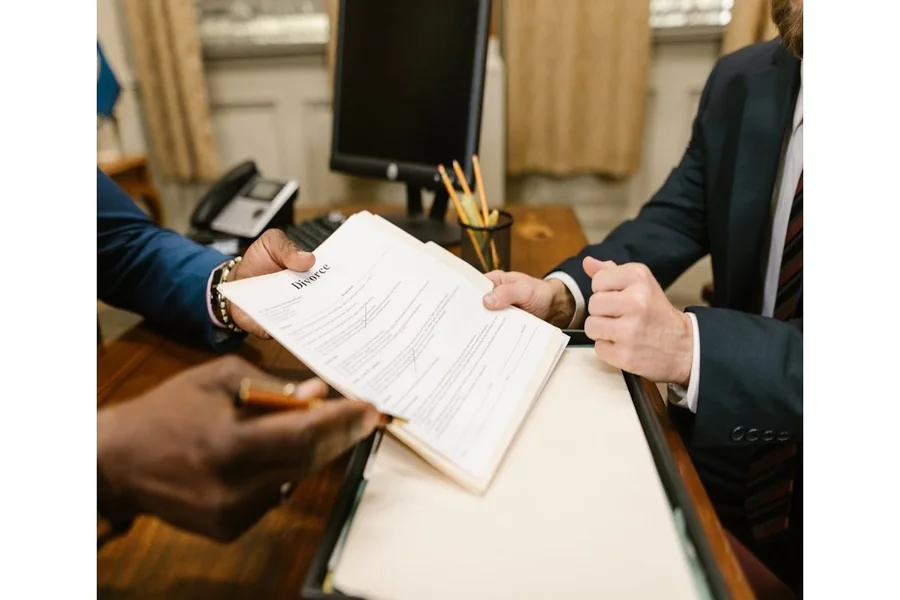
Divorce is rarely a simple or straightforward process. While some cases move smoothly from filing to finalization, others involve unique challenges that require additional explanation to the court. One of the most important tools available in such circumstances is the affidavit of eFiling divorce. This sworn document gives applicants the opportunity to clarify irregularities, address difficulties, or provide supporting evidence so that the court can fully understand their situation.
Understanding what an affidavit of eFiling divorce is, when it becomes necessary, and how to prepare it correctly is vital for anyone navigating the family law system. The guidance of skilled divorce lawyers Melbourne can make a significant difference, ensuring that your affidavit is both thorough and persuasive.
Understanding the Affidavit of eFiling Divorce
An affidavit of eFiling divorce is essentially a sworn statement made in writing. It is submitted alongside or in support of your divorce application through the electronic filing system used by the courts. The affidavit allows you to explain circumstances that fall outside the ordinary process. It is not simply a recounting of your feelings or opinions. Instead, it is a factual statement given under oath or affirmation before an authorized witness such as a solicitor or justice of the peace.
This affidavit acts as evidence. It demonstrates to the court that you have made genuine efforts to comply with requirements but faced obstacles beyond your control. It also allows you to request alternative methods or exemptions where appropriate. In short, the affidavit provides clarity, context, and credibility, helping the court reach a fair and informed decision. For matters involving children, consulting child custody lawyers ensures that your affidavit addresses all relevant considerations regarding the welfare and best interests of your children.
Situations That Call for an Affidavit
Not every divorce application requires an affidavit. For couples with clear communication and complete documentation, the process may unfold smoothly without the need for extra explanation. However, many situations make an affidavit essential.
One common scenario is when one spouse cannot be located. If you have lost touch with your spouse or they are deliberately avoiding contact, the court still requires proof that you attempted to serve the documents. The affidavit allows you to set out the steps you took to find them, such as sending emails, contacting relatives, or checking social media.
Another situation is when substituted service or dispensation of service is requested. If it is not possible to serve your spouse in the usual way, you may ask the court to permit an alternative such as email or postal service. Your affidavit will outline why this request is reasonable and demonstrate that ordinary service is impractical.
Affidavits are also needed when documents are missing or incomplete. Sometimes vital details such as addresses or dates cannot be confirmed. Rather than leaving gaps unexplained, you use the affidavit to clarify why the information is unavailable and why the court should still accept your application.
There are also cases involving urgent or extraordinary circumstances. If family violence, health emergencies, or other sensitive issues affect your ability to follow standard procedure, your affidavit gives the court insight into those challenges. By explaining the reality of your situation, you help the court understand why flexibility is necessary.
Drafting a Strong and Effective Affidavit
Preparing an affidavit requires precision. It is not enough to write casually or provide vague explanations. The document must be carefully structured and written in a clear, professional manner.
Begin with a title that identifies it as your affidavit and clearly states your full name. In the opening, set out your role in the proceedings, whether as the applicant or respondent. From there, move directly into the purpose of the affidavit. Explain why you are submitting it, such as to outline difficulties in serving your spouse or to justify a request for substituted service.
The body of the affidavit should be divided into concise, easy-to-read sections. Each section should cover one point at a time. For example, you might dedicate one section to your attempts to locate your spouse, another to supporting evidence such as email logs, and another to requests for alternative service.
Use factual, objective language. The court does not need emotional commentary or speculation. Instead, provide verifiable information that demonstrates your actions and intentions. If you have supporting documents such as letters, receipts, or medical certificates, attach them as exhibits and refer to them within your affidavit. Exhibits should be clearly labeled so the court can easily cross-reference them.
Once your content is complete, you must swear or affirm the affidavit before an authorized witness. This step is crucial because it gives legal weight to your statements. Without proper witnessing, your affidavit may be rejected.
Finally, include a statement affirming that the contents are true and correct to the best of your knowledge. This declaration reminds the court that you understand the seriousness of making false or misleading claims.
Filing the Affidavit Through the eFiling System
After drafting and witnessing your affidavit, you will file it electronically through the Commonwealth Courts Portal. This portal is the official online system used for family law matters, including divorce.
Once logged into your account, you locate your case file and choose the option to upload additional documents. Select the affidavit as the type, attach your file, and confirm that it is linked to your divorce application. Filing in this way ensures the affidavit becomes part of the official record and is visible to both the court and the other party.
Submitting through the portal also means your affidavit is timestamped and immediately accessible, reducing delays. Always double-check that the upload is successful and keep a copy of the confirmation for your records.
Mistakes to Avoid When Preparing Your Affidavit
While an affidavit may seem straightforward, mistakes are common and can undermine your case. One frequent error is leaving out crucial information. If you fail to explain why certain details are missing, the court may conclude that you were careless or uncooperative.
Another issue is using overly emotional or subjective language. Affidavits must be factual and evidence-based. Avoid phrases such as “I believe” or “I feel,” which weaken the strength of your submission.
Many applicants also fail to provide adequate evidence. Simply stating that you tried to find your spouse is not enough. You need to attach supporting documents that demonstrate your attempts.
Formatting problems are another source of trouble. Courts expect affidavits to follow specific guidelines regarding layout, paragraph structure, and witness details. Ignoring these rules can lead to rejection.
Finally, some affidavits are invalid because they are not properly signed or witnessed. Never overlook the requirement to complete this step before filing.
How to Strengthen Your Affidavit
There are several ways to make your affidavit more persuasive. The first is to use simple, clear language. Judges and registrars must be able to follow your explanation easily. Avoid long, complicated sentences and legal jargon.
Structure your affidavit logically, with clear sections and headings that guide the reader through your reasoning. Present information in a chronological order where appropriate, showing the sequence of events that led to the current situation.
Keep your writing concise, focusing only on relevant facts. Irrelevant details or repetitive statements may dilute your argument.
Be transparent and honest. Courts take the accuracy of affidavits very seriously, and misleading statements can damage your credibility.
Attaching well-organized exhibits also adds strength. Include only what is necessary, and ensure each exhibit is referenced in the correct section of your affidavit.
Above all, consider having your affidavit reviewed by experienced legal professionals. The guidance of skilled divorce lawyers Melbourne can help you identify weak points, add necessary details, and ensure compliance with court requirements.
Why a Well-Prepared Affidavit Matters
The affidavit of eFiling divorce is not just a formality. It is often the deciding factor in whether your divorce proceeds smoothly or faces delays. A poorly drafted affidavit may lead the court to reject your requests, forcing you to repeat steps and prolong the process.
A strong affidavit, on the other hand, demonstrates your diligence and transparency. It reassures the court that you are acting in good faith and taking your responsibilities seriously. In cases where unusual circumstances arise, a persuasive affidavit can be the key to unlocking flexibility and fairness.
For applicants facing uncooperative spouses, lost contact, or missing documents, this affidavit is particularly important. It gives you the chance to explain your position clearly and show the court why your divorce should still be granted despite the obstacles.
The Role of Skilled Divorce Lawyers in Melbourne
While it is possible to prepare an affidavit on your own, many people find the process daunting. The language, structure, and legal requirements can feel overwhelming, especially when emotions are high. That is where skilled divorce lawyers Melbourne provide invaluable support.
Experienced lawyers understand what courts expect in affidavits. They know how to present facts clearly, how to select the most persuasive evidence, and how to avoid common mistakes. They can also identify when an affidavit is truly necessary and when other legal options may be more effective.
Working with a lawyer can save time, reduce stress, and increase the likelihood of your divorce proceeding without unnecessary obstacles. By ensuring that your affidavit meets every requirement, your lawyer helps you put forward the strongest possible case.
The affidavit of eFiling divorce is a powerful tool for addressing complexities in divorce applications. It allows you to explain irregularities, justify alternative service methods, and provide supporting evidence for your requests. When drafted carefully and filed correctly, the affidavit can help the court understand your situation and move your case forward without unnecessary delay.
Taking the time to prepare a clear, honest, and well-structured affidavit demonstrates respect for the process and increases the likelihood of a positive outcome. For those facing difficult circumstances, seeking guidance from skilled divorce lawyers Brisbane or experienced family lawyers Springwood ensures that every detail is handled correctly, giving you confidence that your application is as strong as possible.
With the right approach and professional support, your affidavit can become a valuable ally in securing a fair and efficient resolution to your divorce.

