
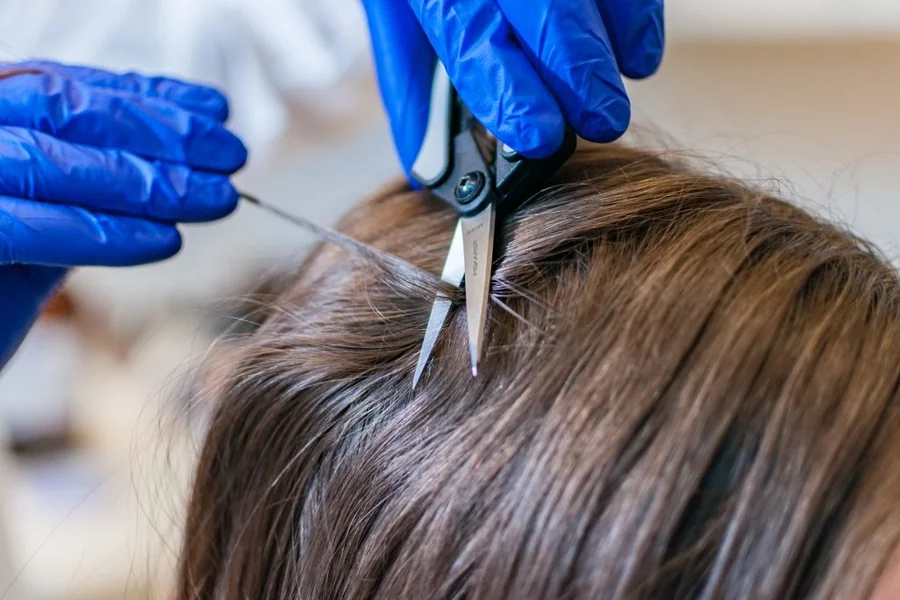
In our ever-evolving world, the quest for precision and accuracy in drug testing has taken a significant leap forward. The traditional binary results of drug tests, which simply state ‘positive’ or ‘negative,’ are now being challenged by an innovative approach known as hair drug test concentration mapping. This method provides a more nuanced understanding of drug use, offering insights that were previously unattainable. But what exactly does this mean for you, and why should you care?
Understanding Hair Drug Test Concentration Mapping
Imagine the landscape of drug testing as a vast, intricate terrain. Traditional methods, like urine tests, often provide a limited view—like looking at a single tree instead of the entire forest. Hair drug tests, however, allow us to step back and see the whole picture. By analyzing hair strands, we can detect drug usage over a longer period, often up to 90 days.
But hair drug test concentration mapping takes this a step further. It doesn’t just tell us if drugs are present; it reveals the concentration levels within the hair. This means you can understand the frequency and amount of drug use, painting a more detailed picture of an individual’s habits. It’s akin to not only knowing that a storm hit a landscape but also knowing its intensity and duration.
The Importance of Acceptance
Acceptance is a powerful word, carrying with it the weight of understanding and acknowledgement. In the realm of drug testing, acceptance can mean the difference between a second chance and a lost opportunity. Imagine a scenario where an employer learns that a potential employee has a positive drug test result. The immediate reaction might be to reject the applicant. However, with hair drug test concentration mapping, we gain a deeper understanding of the context.
Perhaps the results show a one-time usage months ago, rather than ongoing abuse. This knowledge can lead to acceptance of the individual’s past mistakes while recognizing their current commitment to change. It’s about seeing beyond the binary, beyond the ‘yes’ or ‘no,’ and into the realm of ‘how much’ and ‘how often.’ Acceptance, in this sense, becomes a bridge to understanding and empathy.
The Emotional Impact of Precision
Precision in drug testing can evoke a range of emotions. For individuals who find themselves subjected to these tests, the stakes are high. A binary ‘positive’ result can feel like a heinous verdict, overshadowing personal growth and change. It’s a harsh label that doesn’t account for the nuances of human behavior.
Hair drug test concentration mapping, however, offers a more compassionate approach. By providing detailed insights, it allows for a fairer assessment of an individual’s situation. This can alleviate anxiety and fear, replacing them with a sense of empowerment. You can face the results with the understanding that they reflect a comprehensive view rather than a simplistic judgment.
Applications and Implications
You might wonder where this advanced form of testing is most applicable. The answer spans various sectors, from employment screenings to legal cases, and even in rehabilitation programs. Employers can use hair follicle test concentration mapping to make informed hiring decisions, taking into account the full context of an applicant’s history. In legal scenarios, it can provide crucial evidence that supports or refutes claims of drug use.
For rehabilitation centers, this method offers a way to track progress, helping individuals stay accountable to their recovery journey. It’s a tool that not only identifies a problem but also contributes to a solution, fostering a supportive environment for change and growth.
Navigating the Future of Drug Testing
As we move forward, the landscape of drug testing continues to evolve. Hair drug test concentration mapping represents a shift towards more comprehensive and humane practices. It acknowledges the complexity of human behavior and the importance of understanding context. By embracing this approach, you can be part of a future that prioritizes compassion and fairness over simplistic judgment.
The journey towards acceptance and understanding may be fraught with challenges, but it is a path worth taking. After all, in a world where binary answers often fall short, the ability to see beyond the surface can lead to profound change and growth.
In closing, as we consider the potential of hair drug test concentration mapping, let us remember the power of acceptance and the importance of understanding the full picture. By doing so, we can ensure that the future of drug testing is as nuanced and compassionate as the individuals it serves.
