

The marketing director at a mid-sized tech company recently told me something that surprised me: their highest-ROI marketing spend last year wasn’t their Google Ads campaign, their social media presence, or even their content marketing program. It was the custom water bottles they distributed at a single industry conference.
This seems counterintuitive in an era where we’re constantly told everything is digital. We track clicks, measure impressions, optimize conversion funnels, and analyze user behavior down to the millisecond. Physical promotional products; branded pens, logoed drinkware, custom apparel; feel like relics from a pre-internet marketing playbook.
Yet smart companies continue investing significant budgets in tangible promotional items. Not despite digital marketing’s dominance, but because physical products solve specific business problems that digital channels can’t address effectively. Understanding why requires looking past the surface assumption that newer automatically means better.
The Attention Economics Problem
Digital marketing faces a fundamental challenge that worsens every year: attention scarcity in increasingly crowded channels. The average professional receives over 120 emails daily. Social media feeds update constantly with content competing for limited screen time. Display ads face banner blindness rates approaching 90%. Even sophisticated targeting can’t overcome the reality that people have developed sophisticated filtering mechanisms for digital noise.
Physical promotional products operate in fundamentally different attention economics. A quality branded item sitting on someone’s desk doesn’t compete with thousands of other stimuli for momentary attention; it exists in physical space, providing repeated brand exposure through simple presence. This isn’t better or worse than digital marketing; it’s different, solving problems that digital channels struggle with.
The tech company’s conference water bottles illustrated this perfectly. Their booth attracted decent traffic, but not exceptional. However, attendees used those water bottles throughout the three-day conference. Every meeting, every session, every networking conversation happened with their brand visible in the background. Competitors spending five figures on elaborate booth designs achieved three days of exposure to people actively visiting them. The water bottles achieved three days of exposure to everyone who received one, plus ongoing exposure when recipients continued using them afterward.
This persistent visibility matters differently than digital impressions. Someone scrolling past your ad on LinkedIn generates an “impression” lasting fractions of a second. A branded item used daily generates hundreds or thousands of brief exposures, each carrying the implicit endorsement of the user choosing to keep and use the item. The psychology is fundamentally different from passive ad exposure.
The Tangibility Premium in Business Relationships
There’s substantial research showing that physical gifts create different psychological responses than digital equivalents, even when the monetary value is identical. This isn’t superstition; it reflects how humans process tangible versus virtual experiences.
A digital gift card feels transactional. It’s convenient and practical, but it signals efficiency more than thoughtfulness. A physical gift, even one of equivalent or lesser value, requires someone to consider what the recipient might actually use and appreciate, order or create it, and arrange delivery. That effort registers psychologically in ways that clicking “send gift card” doesn’t replicate.
For business contexts; client appreciation, employee recognition, partner relationships; this psychological distinction matters. Companies aren’t just trying to provide value; they’re trying to strengthen relationships and create positive associations. Physical promotional products, particularly those that are genuinely useful rather than throwaways, achieve this more effectively than digital equivalents.
The specific items matter significantly here. Generic promotional junk; cheap pens that don’t write well, flimsy keychains that break immediately, low-quality items that immediately communicate “we bought the cheapest option”; actually harm relationships rather than helping them. They signal that you don’t value the recipient enough to invest in quality.
Quality items that people actually use create the opposite effect. Durable drinkware that maintains temperature effectively, comfortable apparel that people choose to wear, useful tools that solve actual problems; these items generate genuine appreciation rather than obligatory acknowledgment.
This is where understanding product categories becomes strategic. Consumable items like quality food products create immediate positive experiences and get consumed without creating clutter. Durable items like well-made drinkware provide ongoing utility and sustained brand exposure. Different situations call for different approaches, but both categories work when the underlying product quality is genuine.
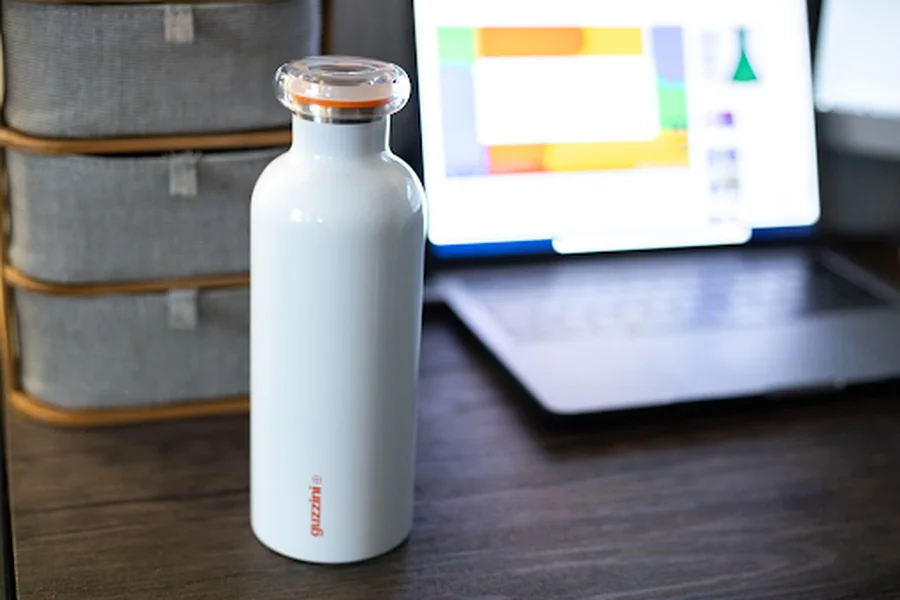
For businesses exploring durable promotional products, the options have evolved significantly beyond basic logo placement. Services offering professionally designed options to Get Customised Water Bottle & Tumblers and similar customized drinkware show how the category has matured; focusing on product quality, design sophistication, and genuine utility rather than just cheap logo placement. The distinction matters because recipients immediately recognize the difference between “here’s a cheap branded thing” and “here’s a quality useful item we thought you’d appreciate.”
Measuring What Actually Matters
The challenge with physical promotional products isn’t effectiveness; it’s measurement. Digital marketing gives us comfort through clicks, impressions, and attribution models, even when the real ROI is unclear.
Physical items don’t generate neat analytics dashboards. But harder to measure doesn’t mean less impactful. The right question isn’t whether they work; it’s how to measure them using smarter metrics that reflect relationship value rather than forcing digital frameworks onto a different kind of touchpoint.
Smart companies focus on indicators that actually drive business outcomes:
- Brand awareness studies: Do recipients remember the brand more than non-recipients?
- Sales cycle acceleration: Do gifted prospects convert faster or more often?
- Customer lifetime value: Do accounts receiving gifts stick around longer and spend more?
- Employee engagement: Do recognition items correlate with higher morale and retention?
- Event ROI: Do strategic giveaways increase qualified leads and valuable conversations?
These metrics may not be as instant or precise as digital data; but they track what matters: stronger relationships, deeper loyalty, and greater long-term value.
The Integration Strategy
It’s not about choosing digital or physical marketing; it’s about using both where they’re strongest. Digital delivers reach, targeting, and quick action. Physical promotional products deliver lasting visibility and stronger personal connection.
Smart marketers blend the channels: digital ads to attract the right people, then meaningful physical touchpoints to deepen relationships and stand out in a cluttered world. They aren’t resisting digital evolution; they’re recognizing that people still respond to tangible, thoughtful gestures.
Technology can scale awareness, but trust and loyalty often grow from something more human. That’s where promotional products still shine.
