
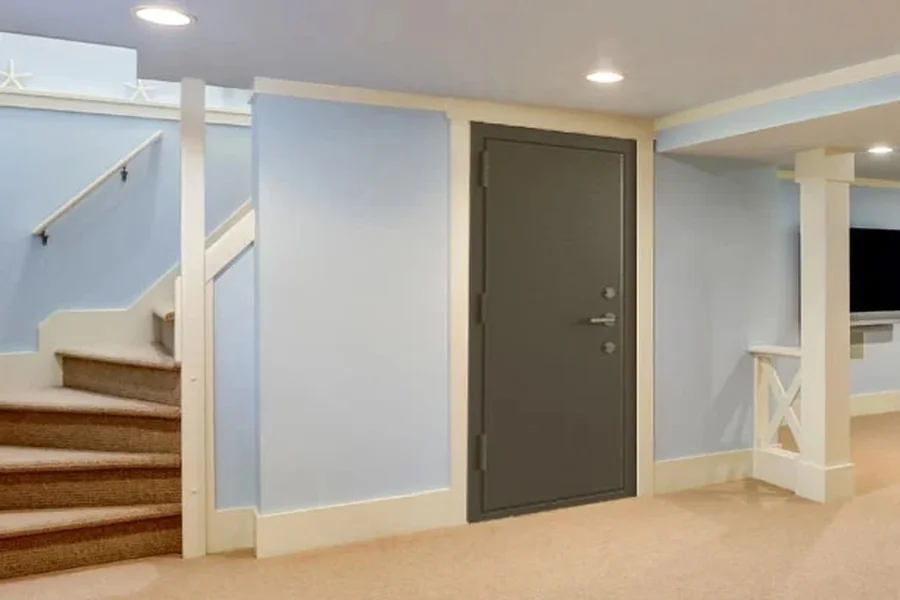
In an era of unpredictable weather patterns and increasing natural disasters, one of the best investments you can make for your family’s safety is a FEMA approved safe room. These specialized shelters are designed to provide life-saving protection during tornadoes, hurricanes, and other severe weather events. But a safe room is more than just a reinforced space—it’s a symbol of preparedness, security, and peace of mind. This guide explores everything you need to know about FEMA-approved safe rooms, from how they’re built to what you should keep inside, and how they can contribute to long-term home resilience.
Understanding FEMA-Approved Safe Rooms
A FEMA approved safe room isn’t just any shelter. It’s a structure built according to the strict safety standards set by the Federal Emergency Management Agency. These standards are designed to ensure that the room can withstand the most extreme forces of nature, including high-velocity winds, flying debris, and pressure changes caused by tornadoes or hurricanes.
To earn FEMA approval, a safe room must follow the guidelines outlined in FEMA P-320: Taking Shelter from the Storm. This publication details the materials, anchoring systems, and structural design methods necessary to create a truly protective environment. For example, safe rooms are constructed with reinforced concrete or steel, continuous load paths that transfer wind forces through the structure, and anchoring systems that firmly secure the walls, roof, and foundation. In essence, a FEMA-approved safe room is built like a miniature fortress, engineered for one purpose: survival.
Types of FEMA-Approved Safe Rooms
When planning to install a safe room, homeowners can typically choose between in-home and stand-alone models. Each type offers distinct benefits depending on your property layout, budget, and level of risk.
In-home safe rooms
These shelters are built within the existing structure of a home, often in basements, interior closets, or windowless rooms. The biggest advantage is convenience. When a storm hits suddenly, you don’t have to run outside; you can reach safety within seconds. In-home safe rooms can also blend seamlessly into your home’s design, offering both safety and discretion.
Stand-alone safe rooms
Built separately from the house, often in the yard or near a garage, these structures function as independent, fortified shelters. They may be larger and more customizable, allowing for additional ventilation, storage, or even space for pets and emergency supplies. A stand-alone safe room can also double as a storage space or small workshop when not in use.
Choosing between the two comes down to practicality. If you live in a tornado-prone region where quick access is critical, an in-home shelter might be ideal. If your property offers space and you want a multi-functional refuge, a stand-alone option could be more fitting.
Building to Withstand Nature’s Fury
Constructing a FEMA-approved safe room is not a DIY weekend project; it requires professional expertise and precision. Every component, from the bolts to the roof connections, must meet FEMA’s design criteria.
The core of a strong safe room lies in its reinforced structure. Walls are typically made from concrete, steel panels, or a combination of both. Doors must be impact-resistant and fitted with multiple locking mechanisms to withstand debris traveling at over 100 miles per hour. The roof, meanwhile, must resist both downward impact and the suction forces of powerful winds.
Anchoring is another critical element. A safe room must be securely connected to its foundation so that it remains stable, even if the surrounding house is destroyed. Proper ventilation, emergency lighting, and accessible entryways are also essential for functionality and safety. By adhering to these engineering principles, homeowners can ensure that their safe room will remain a reliable shield in even the most catastrophic weather events.
Designing Your Safe Room: Creating a Secure Sanctuary
While the engineering is crucial, thoughtful design also plays a big role in how effective and livable your safe room will be.
Choosing the Right Location
The safest location for an in-home shelter is usually the basement or a central interior room with no windows. This minimizes exposure to debris and structural collapse. In single-story homes without basements, a reinforced interior closet or bathroom can work well. The key is accessibility, your family should be able to reach the safe room quickly and without navigating obstacles.
If you live in a flood-prone area, avoid basements or low-lying spaces. Instead, position your safe room above flood levels to prevent water intrusion.
Adding Comfort and Functionality
While the primary goal of a safe room is survival, a touch of comfort can make a huge difference in a crisis. Think of it as designing a small, functional living space rather than just a bunker.
Include comfortable seating such as foldable chairs or cushions. Keep basic amenities like a flashlight, battery-powered fan, or a small solar lamp to improve visibility and ventilation. Consider installing a power outlet connected to a backup generator or solar system so you can charge phones and radios.
A calm environment can ease stress, especially for children. Even simple additions, a soft blanket, a favorite toy, or a few books, can provide comfort and emotional stability during frightening moments.
Personalizing Your Space
Adding personal touches can help transform a safe room from a sterile shelter into a reassuring haven. Hang family photos or motivational posters to boost morale. Use soft lighting or calming colors on the walls to make the space feel less claustrophobic.
If space allows, include a small shelf with games, puzzles, or reading materials to keep everyone occupied and reduce tension. When people feel emotionally secure, they’re better equipped to handle extended emergencies.
Equipping Your Safe Room: What You Need Inside
A safe room should always be stocked with essential items to sustain your family for at least 72 hours, the typical time emergency services might take to reach affected areas after a severe storm.
Safety Gear Essentials
At minimum, keep:
- Sturdy helmets and safety goggles for protection against debris.
- Heavy gloves to handle sharp objects or wreckage after the storm.
- A first aid kit with bandages, antiseptic, pain relievers, and prescription medications.
- Flashlights with extra batteries and a hand-crank radio for weather updates.
- A whistle or horn to signal rescuers if you become trapped.
Regularly inspect and update your supplies to ensure everything works properly.
Staying Connected During Emergencies
Reliable communication is vital when disaster strikes. Keep a fully charged mobile phone and a portable power bank inside your safe room. A two-way radio or NOAA weather radio is also highly recommended, as cell service can fail during storms.
Keep a laminated list of emergency contact numbers, including local authorities, nearby hospitals, and close family members, within easy reach. These simple precautions can make all the difference in staying informed and connected when outside communication becomes difficult.
Emergency Food and Water Supplies
Food and water are non-negotiable necessities. Store at least one gallon of water per person per day for three days. Choose non-perishable foods such as canned beans, protein bars, peanut butter, nuts, and dried fruits.
If space allows, include a portable water filter or purification tablets in case your water supply runs low. Don’t forget manual can openers, disposable utensils, and trash bags. Rotate your food and water supplies every six months to keep them fresh and safe for consumption.
Beyond Survival: The Broader Impact of Safe Rooms
The Mental Comfort of Preparedness
Knowing that your family has a secure place to go in an emergency offers more than physical protection, it provides peace of mind. Preparedness reduces fear and anxiety during severe weather alerts and helps people stay calm and focused when quick action is required.
Families who take proactive safety measures often find themselves feeling more confident and resilient overall. This sense of control can even have ripple effects in the community, inspiring others to take similar steps.
Strengthening Community Resilience
Safe rooms can also spark broader conversations about emergency readiness. When homeowners share their experiences and designs, it encourages neighbors to plan their own shelters and create community networks for mutual aid.
Neighborhood groups might coordinate to share emergency supplies or designate local shelters for those without safe rooms. This sense of collective responsibility not only strengthens disaster response but also fosters lasting community bonds.
Insurance and Long-Term Benefits
Building a FEMA-approved safe room can also lead to financial advantages. Some insurance companies offer discounts or premium reductions for homes with certified safe rooms, recognizing them as risk-reducing structures.
Homeowners should document every stage of construction, permits, materials used, and professional certifications, to support future insurance claims. In some states, grants and tax incentives are available for homeowners who build FEMA-compliant shelters, further easing the financial burden.
Final Thoughts
A FEMA-approved safe room is more than just a protective space, it’s a cornerstone of home safety and resilience. It represents thoughtful preparation, engineering excellence, and care for the well-being of those you love most. Whether it’s built inside your home or as a stand-alone structure, a properly designed safe room can mean the difference between panic and peace during a disaster.
By understanding how to plan, build, and equip your safe room, you’re not only preparing for emergencies, you’re taking an empowered step toward safeguarding your home, your family, and your future.

