
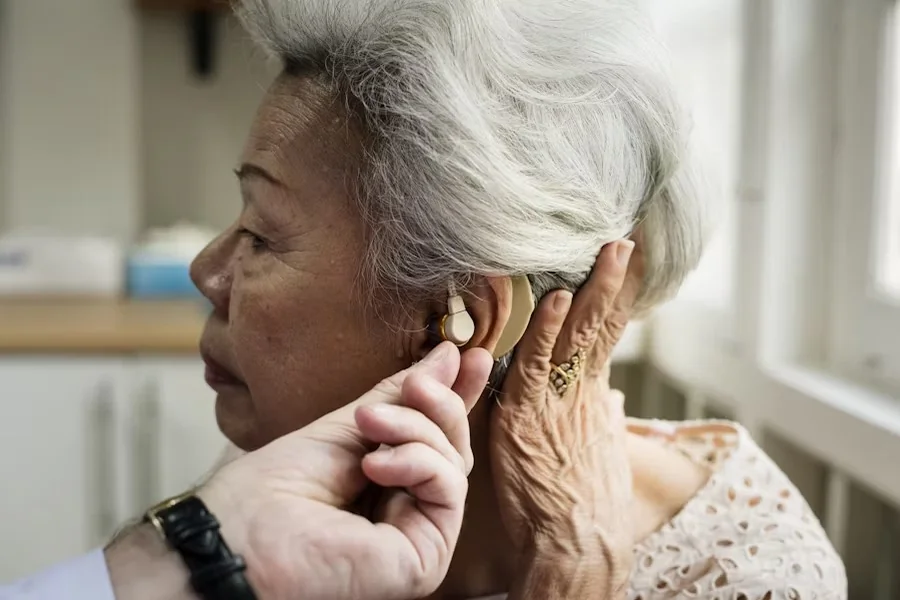
Real Ear Measurement (REM) is a procedure used to assess hearing aids’ performance within an individual’s ear canal, ensuring accurate sound delivery. It involves placing a probe microphone in the ear to measure frequency response adjustments needed for optimal fitting.
Grasping the procedure’s significance is crucial for effective execution. It enables confident decision-making, reduces errors, enhances communication, and fosters teamwork. A clear understanding promotes streamlined operations and ultimately leads to improved outcomes within any task or project.
The procedure’s history illustrates its evolution over time, highlighting key milestones and innovations that have shaped its current form. From initial concepts to contemporary techniques, it reflects advancements in technology and methodologies within the relevant field.
Individuals who experience specific health conditions or symptoms may need to undergo this procedure. It’s particularly beneficial for those seeking relief from persistent issues, improving overall wellness and quality of life through targeted medical intervention.
Core Components of a Real Ear Measurement Procedure
The real ear measurement procedure requires specific equipment to ensure accuracy and efficiency. Essential tools include specialized instruments, protective gear, and monitoring devices. Each item plays a critical role in optimizing the process and enhancing overall outcomes in the operation.
The individual overseeing the procedure is an audiologist, a trained expert in identifying and managing hearing and balance disorders. They utilize specialized techniques to assess auditory health, providing valuable insights and tailored recommendations for better hearing outcomes.
The anatomy of the ear is crucial for understanding related procedures. It comprises three main parts: the outer ear, the middle ear, and the inner ear. Each section plays a significant role in hearing and balance mechanisms during interventions.
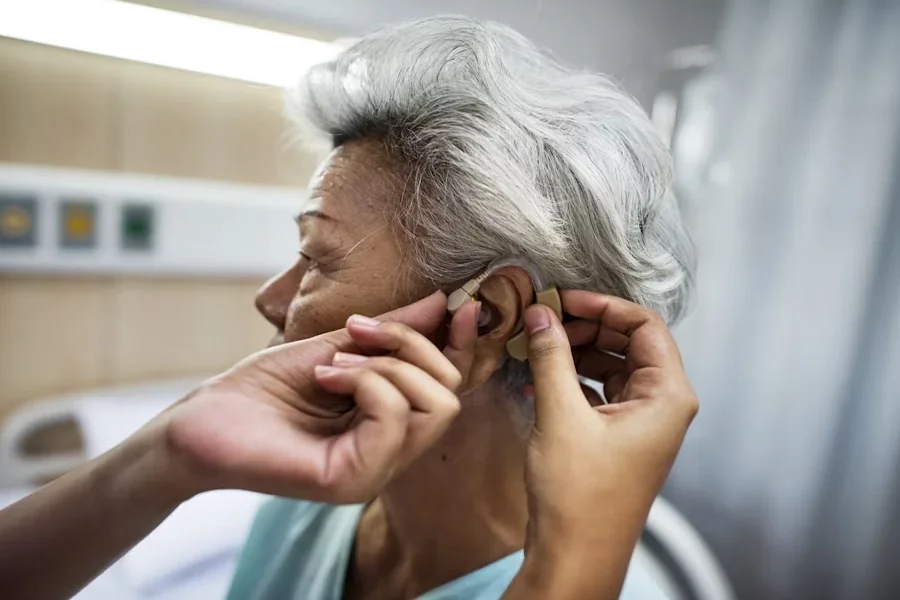
Detailed Breakdown of the Real Ear Measurement Procedure
Getting ready for the procedure involves several important steps. Patients should follow guidelines provided by their healthcare team, which may include fasting, stopping certain medications, and gathering necessary items to ensure a smooth experience during the process.
This document provides a detailed, sequential breakdown of the procedure. Each step is clearly outlined to facilitate understanding and ensure accurate execution. Following these instructions will greatly enhance efficiency and produce the desired outcomes effectively.
The procedure’s duration is a critical factor to consider. It varies based on complexity and unique circumstances, impacting planning and scheduling. Patients should be informed of the expected time frame for optimal preparation and understanding.
Purpose and Benefits of Real Ear Measurement Procedure
Hearing aids significantly enhance patients’ quality of life by improving hearing ability, facilitating communication, and reducing feelings of isolation. They help individuals participate more fully in social interactions and daily activities, ultimately promoting emotional well-being and satisfaction.
The significance of precise and personalized fitting cannot be overstressed, as it ensures optimal comfort, enhances performance, and prevents injuries. Tailored adjustments cater to individual needs, ultimately leading to improved satisfaction and overall effectiveness in various applications.
Enhancements in the overall quality of life involve better access to healthcare, education, and social services. Increased economic opportunities and community support systems contribute significantly, enabling individuals to experience greater well-being and satisfaction in their daily lives.
Understanding the Results
Understanding the outcomes of Real Ear Measurements involves analyzing how sound interacts with an individual’s ear canal. This process evaluates hearing aids’ performance to ensure optimal auditory output tailored to each person’s unique anatomical characteristics and preferences.
An audiogram is a graphical representation of an individual’s hearing ability across various frequencies. It helps audiologists assess hearing loss, tailoring treatments to improve communication and quality of life for individuals experiencing auditory challenges or impairments.
Professionals leverage the results to inform decision-making, enhance strategies, and drive improvements. By analyzing data effectively, they identify trends and opportunities that guide project developments, optimize performance, and ultimately contribute to achieving organizational goals with precision.
Follow-up Steps Post Procedure
Hearing aids may require essential modifications based on their performance evaluations. Analyzing these outcomes leads to fine-tuning the devices, ensuring optimal auditory experience tailored to individual needs, enhancing sound quality, and improving communication abilities for users effectively.
The possibility exists for the procedure to be conducted multiple times, allowing for consistent outcomes and reinforcing the benefits observed previously. This repetition could enhance effectiveness while providing additional opportunities for improvement in results achieved.
It is important to follow up with your audiologist after initial visits. This ensures that any concerns about hearing aids or auditory health are addressed, and necessary adjustments can be made for optimal hearing experiences.
Conclusion
Real Ear Measurement plays a key role in achieving accurate and dependable hearing aid performance. By examining how amplified sound behaves inside the ear canal, this procedure supports a more precise and comfortable fit for every user. It gives audiologists the information needed to make careful adjustments, helping individuals experience clearer communication and greater ease in daily listening situations.
Consistent follow-ups and periodic checks strengthen long-term results, allowing hearing aids to adapt as needs change. With proper evaluation and guidance from an audiologist, individuals can enjoy improved hearing experiences that support confidence and overall well-being.
FAQs
How to perform real ear measurements?
Real ear measurements involve placing a probe microphone in the ear canal while measuring sound levels. By playing calibrated tones through hearing aids, you can assess amplification and adjust settings for optimal performance and individualized patient care.
What is a real ear measurement test?
A real ear measurement test is an evaluation technique used in audiology to assess how hearing aids perform within a person’s actual ear canal. This process ensures optimal fitting and sound quality by measuring output levels accurately.
Should I insist on real ear measurement?
Certainly! Insisting on real ear measurement can enhance hearing aid fitting accuracy. This process ensures that devices are tailored to an individual’s unique ear shape and auditory processing, leading to improved sound quality and overall satisfaction with hearing aids.
How long does a real ear measurement take?
Real ear measurement typically takes around 20 to 30 minutes. This process involves fitting the hearing aid while using a probe microphone to assess sound levels in the ear canal, ensuring optimal hearing device performance for the user.
