
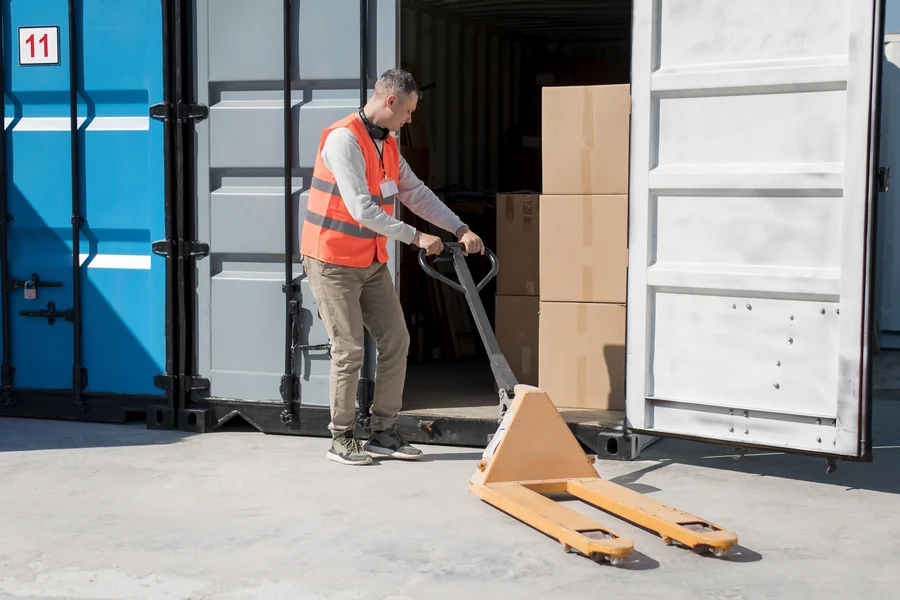
In global logistics, container loading is where profits are made or lost. For many companies, it is the hidden step that decides whether a shipment runs smoothly or becomes an expensive problem. Every cubic meter of unused space directly increases freight costs, and in today’s competitive B2B market, that margin can define success or failure.
Research shows that around 35 percent of container space remains unused, while roughly 65 percent of cargo damage claims result from poor packing. These numbers make one thing clear: container loading is not just an operational task but a strategic process that influences cost efficiency, reliability, and customer satisfaction.
Understanding the Basics of Container Loading
A solid container loading plan begins with knowing your container types. The two most common are 20-foot and 40-foot containers. A 20-foot container carries up to 28,300 kilograms with a capacity of about 33 cubic meters. A 40-foot container doubles the space to around 67 cubic meters while only slightly increasing payload.
The choice between them depends entirely on your cargo. Heavy machinery and raw materials fit best in 20-foot containers, while lighter finished products such as textiles or electronics are more efficient in 40-foot ones.
| Container Type | Capacity (ft³) | Max Payload (lbs) | Typical Use Case | Recommended Loading Strategy |
| 20 ft Standard Container | 1,172 | 62,390 | Heavy, dense cargo (machinery, raw materials) | Center heavy loads, use dunnage to stabilize, stack low for balance |
| 40 ft Standard Container | 2,390 | 63,650 | Light, voluminous goods (textiles, electronics, furniture) | Fill upper volume efficiently, avoid empty corners, secure layers evenly |
| 40 ft High Cube Container | 2,700 | 63,050 | Bulky but lightweight cargo (plastic products, insulation materials) | Use vertical space effectively, apply straps and braces to prevent shifting |
| Reefer Container (Refrigerated) | 2,360 | 60,500 | Perishable goods (food, pharmaceuticals) | Maintain air circulation, avoid overpacking near cooling vents |
When loading a shipping container, proper weight distribution is crucial. Heavy items should always go to the bottom and center, with lighter goods stacked on top. This lowers the center of gravity and prevents tipping. Use dunnage materials like airbags or foam to fill empty spaces and keep the cargo stable.
Tip: Distribute weight evenly from front to back and side to side.
Even small adjustments can make a big difference. A balanced load not only reduces cargo damage but also helps avoid costly insurance claims.
Step-by-Step: Loading a Shipping Container the Right Way
Preparation separates professional shippers from the rest. Before loading a shipping container, inspect its condition carefully. Check for holes, uneven flooring, or sharp edges that could damage goods. Then create a simple layout plan to visualize how the cargo will fit. Using a container loading calculator can help you simulate and optimize this arrangement before loading begins.
Follow these steps for efficient and secure loading:
- Start with heavy cargo. Place it in the center and at the bottom to keep the container balanced. The difference in weight between the ends should never exceed 4,000 pounds.
- Protect fragile goods. Surround delicate items with softer materials or lighter boxes to act as shock absorbers.
- Eliminate gaps. Fill empty spaces with airbags, foam blocks, or cardboard padding. Gaps lead to movement, and movement causes damage.
- Secure everything. Use tension belts and straps attached to anchor points to keep items in place during transit.
- Seal with care. Use a tamper-evident seal and record its number on your shipping documents, including the Bill of Lading.
Before closing the doors, double-check that the load is evenly distributed both horizontally and vertically. Proper balance prevents tipping, keeps the container stable, and reduces risk throughout transport.
Tools and Technology That Cut Shipping Costs
Modern logistics has moved far beyond manual estimation. Today, container loading is driven by digital tools that optimize space and reduce waste. A reliable container loading calculator can shorten planning time from hours to minutes and help you reduce shipping costs significantly.
Tip: Try it yourself at https://www.easycargo3d.com/en/try-container-loading-calculator-online-for-free/. This intuitive online tool lets you visualize loading a shipping container in 3D, calculate optimal stacking, and detect inefficiencies before they cost you real money.
Large-scale shippers go even further with technology.
- IoT sensors monitor temperature, humidity, and container movement in real time.
- Automated loading systems can fill containers up to three times faster than manual teams.
- Standardized pallets improve floor coverage and reduce handling time.
- Digital tracking ensures documentation accuracy and improves accountability.
By combining smart tools with standardized processes, businesses gain predictability, speed, and cost control. In other words, they turn container loading into a measurable profit advantage rather than a routine task.
Why Container Loading Is a Profit Lever, Not Just a Process
When you optimize container loading, you immediately reduce shipping costs and minimize the risk of damaged goods. This is not only a matter of efficiency but also of reputation. A company known for reliable deliveries and intact cargo quickly becomes a preferred partner in international trade.
Every container you fill correctly represents hidden profit. Poorly loaded containers, on the other hand, waste up to one-third of paid shipping space. The financial difference over a year can be substantial, especially for businesses that export regularly.
Smart exporters treat loading a shipping container as an engineering challenge rather than a guessing game. They plan, calculate, and monitor every shipment for maximum return.
Final Thoughts
Efficient container loading is one of the most practical ways to reduce shipping costs and improve operational reliability. It protects your goods, shortens delivery times, and improves your bottom line.
Technology and planning tools now make this process faster and more accurate than ever. Whether you are managing one shipment or a global logistics network, the same principle applies: every cubic meter counts.
Start optimizing your next shipment with data-driven planning, secure loading methods, and professional-grade digital tools. Your cargo will arrive safely, your clients will notice the difference, and your profits will show it.

