
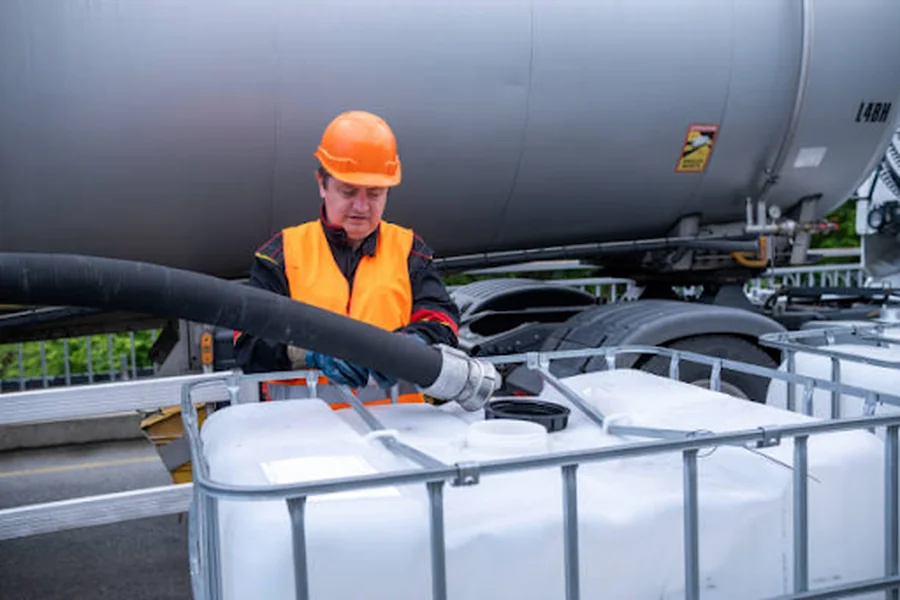
Green innovation focuses on creating products, processes, or practices that reduce environmental impact while promoting sustainability. Within the industrial sector, this approach includes energy-efficient technologies, resource-conscious manufacturing methods, and materials designed for reuse or recyclability. Adopting such practices helps industries limit their ecological footprint and supports long-term operational sustainability.
Industrial container solutions form a key aspect of these efforts. Traditional containers, often made from disposable plastics or other non-recyclable materials, contribute to waste generation and environmental degradation. Sustainable industrial container solution alternatives, designed for reuse and minimal resource consumption, provide industries with practical solutions that align operational efficiency with environmental responsibility. This article explores the features, benefits, and applications of sustainable industrial container solutions, highlighting their role in improving industrial operations.
Understanding Green Innovation in Industry
Green innovation goes beyond environmental compliance. It involves designing processes and systems that maximize efficiency, conserve resources, and reduce pollution. By incorporating these practices, companies can maintain competitiveness while supporting ecological well-being.
Industries across manufacturing, logistics, and storage sectors can implement green innovations in multiple ways. Examples include adopting energy-efficient machinery, optimizing supply chain processes, and replacing single-use materials with reusable alternatives. Such strategies reduce waste, lower operational costs, and create opportunities for more sustainable growth.
Industrial sustainability benefits from approaches that minimize resource consumption, enhance production efficiency, and reduce emissions. Container solutions that incorporate durability, recyclability, and smart design contribute directly to these objectives, making them an effective tool in advancing green innovation.
Emergence of Sustainable Industrial Container Solutions
Industrial containers have evolved significantly over the years. Modern designs focus on durability, versatility, and environmental impact reduction. Materials like recycled plastics, biodegradable composites, and high-strength metals provide longer lifespans compared with conventional containers. These innovations improve storage, reduce replacement costs, and lower environmental burden.
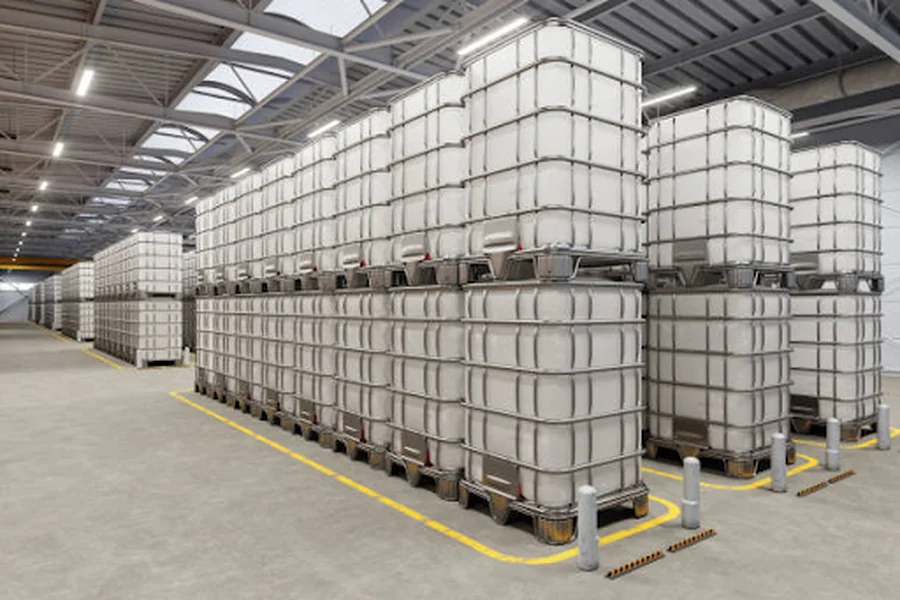
The demand for sustainable container solutions has increased as companies recognize the impact of packaging and storage on overall environmental performance. Businesses are adopting reusable containers to reduce waste, streamline logistics, and improve operational efficiency. Various designs, including modular, stackable, and collapsible containers, allow for better space utilization and adaptability to diverse industrial applications.
Sustainable industrial containers include options that can be repeatedly cleaned and reused, designed for durability and ease of handling. Some models integrate labeling systems or RFID tracking, which aids in inventory management while reducing errors and waste. By implementing these solutions, industries can maintain high productivity without compromising environmental responsibility.
Benefits of Sustainable Industrial Container Solutions
Environmental Advantages
Reusable and recyclable containers lower landfill contributions and reduce reliance on single-use packaging materials. Using containers with long lifespans helps cut carbon emissions associated with manufacturing and disposal, promoting healthier ecosystems.
Economic Benefits
Adopting durable container solutions reduces recurring costs for purchasing disposable packaging, waste management, and damage control. Companies save money over time and improve operational efficiency while maintaining sustainable practices.
Operational and Social Benefits
Eco-friendly containers can improve workflow by simplifying storage, handling, and transportation. Workers benefit from safer and more organized environments, which can contribute to increased productivity. Organizations demonstrating sustainable practices can strengthen their reputation and reinforce social responsibility commitments to stakeholders and local communities.
Case Studies and Industry Applications
Several companies have successfully integrated sustainable industrial containers into their operations. Manufacturers of automotive parts, electronics, and consumer goods have adopted reusable and recyclable solutions, reducing overall waste and improving storage efficiency.
These companies report improved logistical performance, lower material costs, and fewer product damages during transit. Their strategies include transitioning from single-use materials to durable containers, implementing container tracking systems, and adopting standardized cleaning and maintenance procedures to extend container lifespan. Positive outcomes from these practices highlight the potential of sustainable container solutions to support industrial efficiency while advancing environmental objectives.
Contribution to Industrial Efficiency
Sustainable containers streamline industrial operations in several ways. They reduce handling time, allow for organized storage, and improve transportation logistics. This level of organization minimizes errors and contributes to higher throughput in manufacturing and distribution facilities.
Integrating reusable containers supports resource optimization by decreasing the need for raw materials for single-use packaging and lowering energy usage associated with production. Additionally, consistent container quality and design improve compatibility with automated handling systems, which increases speed and reduces operational bottlenecks.
By connecting sustainability with operational performance, industrial container solutions create measurable improvements in efficiency and cost-effectiveness, demonstrating that environmentally responsible practices can align with business goals.
Addressing Implementation Challenges
Industries face several challenges when adopting sustainable container solutions, including adjusting supply chains, training personnel, managing upfront costs, and ensuring regulatory compliance.
Practical approaches for overcoming these challenges include evaluating container lifecycle costs, planning gradual integration to allow adaptation, monitoring performance, and providing employee training. Collaboration with suppliers and container manufacturers can also support the design of solutions tailored to specific operational requirements, promoting smooth adoption and consistent results.
Future Trends in Sustainable Industrial Container Solutions
Advancements in sustainable materials, modular designs, and tracking technologies will continue to drive improvements in industrial container solutions. Future developments may include containers optimized for energy efficiency, circular economy practices, and smart features that integrate with supply chain management systems.
As sustainability becomes a priority across industries, container solutions will play an increasingly important role in reducing environmental impact while supporting operational efficiency. Companies adopting forward-thinking strategies today can benefit from cost savings, improved workflow, and positive social and environmental outcomes in the years ahead.

