
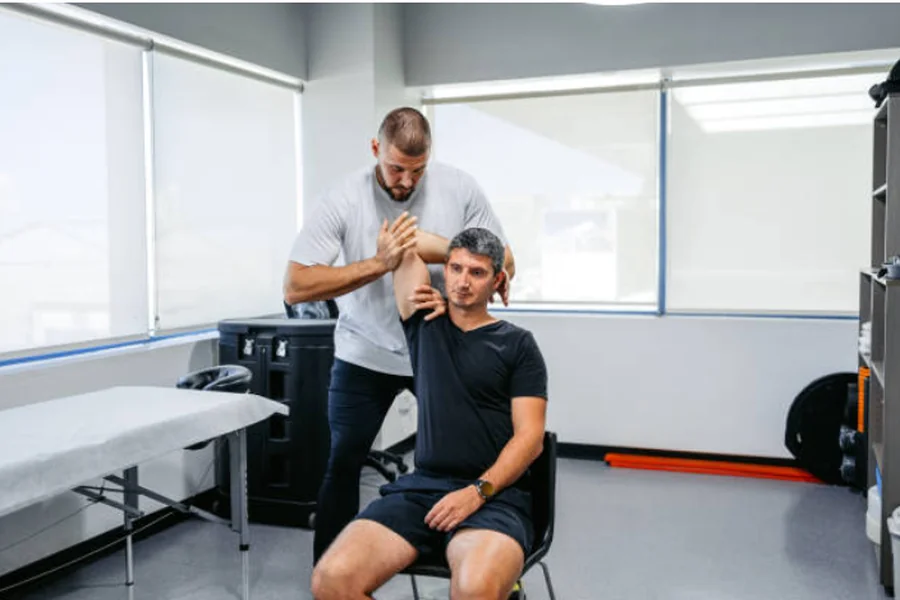
Sports massage therapy has become a widely recognized approach to supporting physical health and recovery for active individuals. This form of therapy combines various techniques to reduce muscle tension, improve flexibility, and prevent injuries. It is particularly effective for athletes, fitness enthusiasts, and anyone experiencing soreness or discomfort after physical activity. Working with a skilled sports massage physiotherapist ensures that each session is tailored to individual needs, maximizing recovery and comfort.
This article highlights the role of sports massage, its benefits, and practical tips for choosing a qualified physiotherapist. Readers will gain a deeper understanding of how specialized massage techniques contribute to overall well-being and how incorporating them into a recovery plan can improve performance and comfort.
Understanding Sports Massage Therapy
Sports massage therapy focuses on the specific needs of individuals with active lifestyles. Unlike standard massage, it targets areas under stress during training, competition, or daily exercise. Techniques such as deep tissue massage, myofascial release, and trigger point therapy are applied to relieve muscle tightness, encourage blood flow, and restore balance to overworked muscles.
This type of therapy supports both immediate relief and long-term physical health. Athletes often seek regular sessions to maintain optimal performance, address lingering discomfort, and reduce the likelihood of recurring injuries. Non-athletes may benefit from sports massage to alleviate chronic tension, recover from minor strains, and improve overall mobility.
The Role of Sports Massage in Injury Prevention
Muscles and joints endure significant strain during exercise, increasing the risk of sprains, strains, and repetitive stress injuries. Sports massage helps maintain flexibility and circulation, which can lower the chance of such issues occurring.
By loosening tight muscles, improving alignment, and stimulating blood flow, therapists help the body manage physical stress more effectively. Regular treatment can also reduce inflammation, prevent scar tissue buildup, and improve recovery after intense activity. This preventative aspect is especially useful for individuals who train frequently or participate in high-impact sports.
Techniques for Relief and Recovery
Several methods are commonly employed in sports massage therapy to relieve tension and speed up recovery:
- Deep Tissue Massage: Focuses on the deeper layers of muscle and connective tissue to release knots and chronic tension.
- Trigger Point Therapy: Targets specific points of pain or stiffness, often where muscles have developed tight bands.
- Myofascial Release: Improves flexibility and reduces discomfort by stretching and releasing the connective tissue surrounding muscles.
- Stretching and Assisted Movement: Helps maintain proper range of motion and prevents stiffness after intense activity.
- Swedish Massage Techniques: Promotes general relaxation and enhances circulation, supporting overall recovery.
Combining these methods allows therapists to tailor sessions for specific needs, whether addressing acute injuries or maintaining long-term muscle health.
Incorporating Sports Massage into a Recovery Plan
For those engaged in regular physical activity, sports massage can become a cornerstone of recovery strategies. Integrating sessions into a training routine offers multiple benefits:
- Reduces post-exercise soreness
- Improves joint mobility
- Relieves tension in overworked muscle groups
- Supports faster healing of minor injuries
- Promotes mental relaxation and focus
Athletes may schedule massage sessions immediately after intense workouts to alleviate strain, or between competitions to maintain peak condition. Recovery plans can also include pre-event massage to prepare muscles for exertion and post-event sessions to address any stress accumulated during activity.
Frequency and Intensity of Treatment
The effectiveness of sports massage depends on both frequency and intensity. Individuals with high-intensity training schedules often benefit from weekly sessions, while those engaged in moderate activity may find monthly or biweekly appointments sufficient.
The intensity of the massage is adapted to personal tolerance and physical condition. Therapists assess muscle stiffness, pain levels, and injury history before adjusting pressure and techniques. Customizing sessions in this way maximizes relief and minimizes the risk of discomfort.
Choosing the Right Sports Massage Physiotherapist
Selecting a qualified therapist significantly influences the benefits of sports massage. Key factors to evaluate include:
- Experience: Review the therapist’s background, training, and familiarity with specific techniques.
- Client Reviews: Feedback from past clients provides insight into treatment quality and effectiveness.
- Technique Variety: Ensure the therapist offers approaches suited to your goals, such as deep tissue, stretching, or injury-specific therapy.
- Communication: A therapist who listens carefully and explains methods clearly helps build trust and ensures sessions meet individual needs.
Meeting with potential therapists for a consultation allows clients to discuss goals, previous injuries, and preferences, helping determine the best fit.

Additional Benefits of Sports Massage
Beyond physical recovery, sports massage offers other advantages that contribute to overall health:
- Stress Relief: Massage promotes relaxation and reduces stress hormones, which can improve mental well-being.
- Improved Sleep: Relaxed muscles and reduced tension contribute to better quality sleep.
- Increased Circulation: Enhanced blood flow supplies muscles with oxygen and nutrients, supporting recovery and energy levels.
- Enhanced Range of Motion: Regular massage can prevent stiffness and maintain flexibility, reducing the risk of future injury.
These benefits demonstrate why sports massage is valued by both professional athletes and recreational fitness enthusiasts.
Conclusion
Sports massage therapy supports physical recovery, relieves tension, and helps maintain flexibility. Selecting a skilled physiotherapist ensures that each session targets individual needs, from injury rehabilitation to general muscle maintenance. Integrating sports massage into regular training or recovery routines can improve performance, accelerate healing, and contribute to overall well-being.
Whether recovering from a sports injury, addressing muscle tightness, or preparing for a major event, sports massage offers a reliable method to maintain peak physical condition. Partnering with an experienced therapist helps clients enjoy personalized treatment plans that deliver lasting results, making it an important component of any comprehensive fitness or wellness program.
