
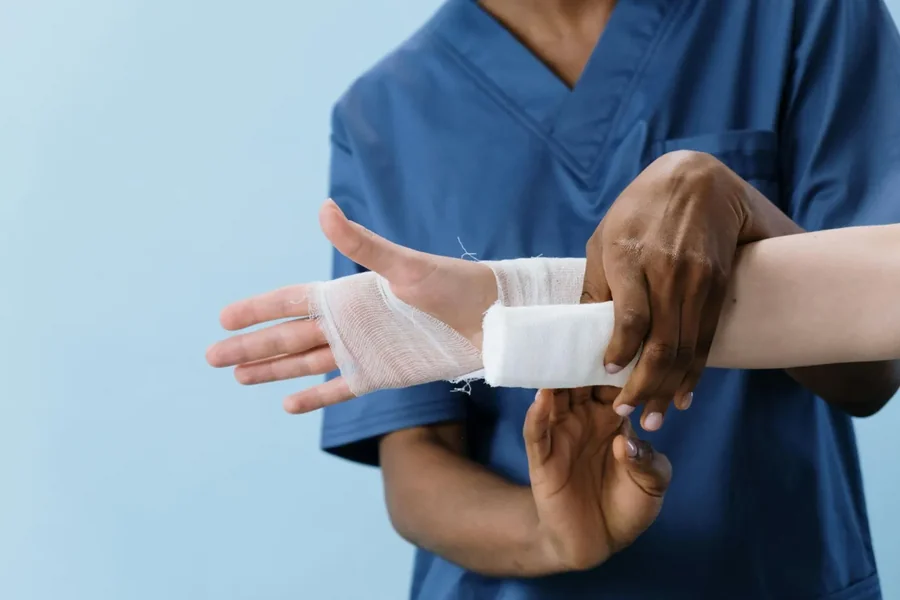
Fort Myers, Florida, has a steady pace of life, warm weather, and close-knit communities where daily routines often revolve around work, family, and time outdoors. From driving along McGregor Boulevard to enjoying a quiet walk near the Caloosahatchee River, many people here rely on physical independence to get through the day. When an injury interrupts that rhythm, the impact can feel deeply personal and unsettling. Life can come crashing down unexpectedly with an injury, turning simple tasks into daily challenges and making familiar comforts feel out of reach.
In moments like these, patience becomes essential, along with understanding from loved ones and clear steps that help regain stability. Moving forward means accepting change while looking for practical ways to rebuild confidence and routine. For many residents, legal questions also arise as medical bills grow and time away from work stretches on, which is where Fort Myers personal injury legal representation can become part of the broader path toward recovery and peace of mind.
Assessing the Situation
The first thing to do after an injury is to assess the apparent ramifications. Physical limits, discomfort, and mental stress can come about rapidly. You should attempt to recognize these changes instead of pretending that nothing has changed. Understanding the impact enables one to plan for required changes and seek assistance early.
Seeking Medical Attention
After any trauma to the body, immediate medical attention is paramount. An expert in healthcare will diagnose you properly and give you treatment choices. Heeding medical recommendations attentively expedites the healing process and mitigates further damage down the road. Attending all appointments shows your commitment and allows you to ask questions that will clarify the recovery process.
Communicating With Family and Friends
It can really help to have a solid, supportive base of people around you. Providing information about the injury and immediate needs promotes empathy for your situation. Discussions bring others to the table who can help in profound ways, whether that means cleaning house or simply cheering on the sidelines. Allowing others to help lightens the load and can foster a more positive perspective.
Adapting Daily Activities
YOu will need to adjust the routines that you do daily after an injury. Everyday tasks such as cooking, cleaning, or shopping may become difficult. Explore new methods to perform these tasks, e.g., using assistive devices, rearranging living areas to cut down strain. Focusing on the most important things saves energy as well as keeps the focus on healing.
Focusing on Mental Well-being
Injuries are not just physical. It can cause emotional trauma such as frustration, sadness, or anxiety. Mental health is as essential to healing as the rest of your body. Actions like reading, meditation, and light conversations can lift the mood. As overwhelming emotions arise occasionally, a counselor or therapist will help in this regard.
Setting Realistic Goals
It may take time and strategy, to get back on track. Daily setting small, achievable goals creates the feeling of progress. That may be a short walk, a meal you can prepare or gentle stretches. These milestones deserve to be celebrated and are important to maintaining morale and momentum.
Returning to Work or School
Filling past roles usually requires some level of flexibility. By communicating with your employer or educator about current skills, they can make adjustments. They can facilitate a smoother transition through changed duties, flexible hours, or remote options. Slowly rebuild confidence by restoring activity level; do more of whatever feels okay.
Staying Active Safely
Movement is always good for recovery, but this is just another example of why safety first has to be the priority. Perform approved exercises or rehabilitation activities will help to increase strength and movement. Do not expose yourself to stressful situations, as it is essential to follow the healthcare recommendations. Gentle exercise can therefore eliminate stiffness but lessen the risk of incurring even more damage.
Building a Support Network
Being around others who are going through the same experiences helps normalize your situation. However, community groups, support organizations, and online forums often provide peer support, which allows users to share experiences and seek advice, or potentially relate to a similar experience each peer has had. Such connections are a reminder to people that they are not alone in furthering their own life journeys.
Exploring New Interests
You may have a limited range of activities due to an injury, but it might also open up wide possibilities for other opportunities that come along. Developing skills that cater to present abilities through exploration in the form of hobbies imparts a feeling of achievement. Engaging in rewarding activities such as drawing/writing/learning an instrument, etc.
Conclusion
Your routine will not be the same, and that’[s okay; manage balance in another way. As life evolves, these steps can help you through the transition. Resilience gradually regains agency, and hopefulness eventually returns to functional life.
