
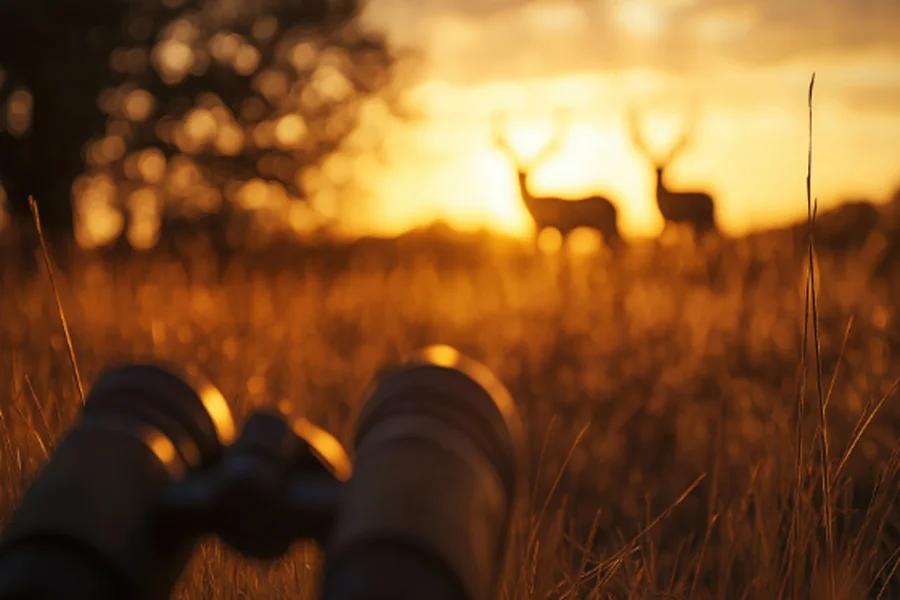
Ask experienced hunters where the center of gravity lies for international hunting, and the answer is remarkably consistent. South Africa isn’t just popular—it’s foundational. It’s where logistics work, wildlife thrives, and the hunt is conducted with professionalism that’s been refined over decades. This reputation wasn’t built by marketing slogans or trophy-room bravado. It was earned through infrastructure, conservation outcomes, and a culture that treats hunting as land stewardship first, sport second.
For Global Hunting Solutions, South Africa represents what happens when ethical hunting, modern travel, and wild country intersect cleanly.
A Landscape Built for Hunting—Not Just Visiting
South Africa’s geography reads like a field guide written by a hunter. The thornveld of Limpopo, the open plains of the Free State, the river systems of KwaZulu-Natal—each region supports different species and different styles of pursuit. This variety matters. It allows hunters to match terrain to preference, whether that’s spot-and-stalk across rolling savanna or deliberate tracking in thicker bush.
Unlike destinations where access is fragmented or unpredictable, hunting in South Africa is largely conducted on well-managed private land. These properties are not fenced theme parks; they’re expansive working landscapes measured in tens or hundreds of thousands of acres. Game moves naturally, pressure is controlled, and habitat management is year-round work, not a seasonal concern.
That consistency is one reason hunting in South Africa remains so dependable year after year.
Wildlife Diversity Without Equal
Few countries can offer the species density South Africa does without pushing hunters into extreme travel or cost. Plains game alone includes kudu, impala, gemsbok, wildebeest, zebra, blesbok, and springbok—each requiring different tactics and reading of the land.
This diversity isn’t accidental. South African hunting operations are closely tied to conservation models that reward landowners for maintaining healthy populations. Southern Africa’s sustainable-use approach has been one of the most effective wildlife recovery frameworks on the continent. Species once under pressure now exist in stable or growing numbers because they carry tangible value when managed responsibly.
South African hunting succeeds because animals are not commodities—they’re assets worth protecting.
Infrastructure That Respects the Hunter’s Time
International hunting can fall apart quickly if logistics fail. South Africa excels here. Direct international flights, reliable domestic connections, modern medical facilities, and well-established firearm import procedures reduce friction before the hunt even begins.
This matters more than most people admit. When hunters arrive rested, legally compliant, and confident in the process, the focus shifts where it should—onto the ground, the wind, and the stalk.
Organizations like the Professional Hunters’ Association of South Africa (PHASA) have spent decades standardizing ethics, training, and safety practices. The result is a professional guiding culture that feels field-tested rather than scripted.
That professionalism is a major reason South Africa hunting appeals to both first-time Africa hunters and veterans who have hunted globally.
Safety as a System, Not a Selling Point
Safety in South Africa isn’t marketed—it’s engineered. Licensed professional hunters undergo rigorous training. Vehicles, tracking teams, medical protocols, and emergency contingencies are standard practice, not upgrades.
This operational maturity allows hunters to push themselves within reason, knowing there’s a framework supporting every decision. For families, groups, and corporate bookings, that reliability becomes non-negotiable.
Compliance isn’t optional. It’s enforced, monitored, and refined annually.
That structure is why South African hunting has avoided many of the pitfalls that undermine credibility in other regions.
Conservation That Works Because It’s Practical
The global hunting debate often ignores outcomes in favor of optics. South Africa offers measurable results. Private landowners manage over 16 million hectares of wildlife habitat—much of it restored from former cattle or crop land—because hunting revenue makes conservation economically viable.
The Food and Agriculture Organization of the United Nations (FAO) cite southern Africa as a leading example of how regulated hunting can support biodiversity, anti-poaching efforts, and rural employment.
This isn’t theory. It’s visible on the ground: better fencing, improved water access, professional anti-poaching units, and stable wildlife numbers. Ethical hunters are part of that system, not adjacent to it.
Understanding the Best Time to Hunt in South Africa
Timing matters. The best time to hunt in South Africa generally runs from May through September, aligning with the southern hemisphere winter. Vegetation thins, animals move more predictably, and daytime temperatures remain comfortable.
The formal hunting season South Africa sets species-specific windows to ensure breeding cycles are protected. Plains game seasons are typically broad, while dangerous game follows stricter controls.
This seasonality improves success rates while maintaining biological sustainability. It also allows outfitters to plan hunts around optimal conditions rather than forcing volume year-round.
Why Hunters Keep Coming Back
The first hunt often answers curiosity. The second confirms judgment. Repeat visits are the real metric, and South Africa sees them in numbers unmatched globally.
Hunters return because:
- The logistics work
- The wildlife is abundant and well-managed
- The people are skilled and grounded
- The conservation impact is real, not theoretical
In an era where authenticity matters more than spectacle, hunting in South Africa continues to set the standard.
The Bottom Line
South Africa didn’t become the world’s most popular hunting destination by chance. It earned that position through discipline, transparency, and a conservation model that aligns economic reality with ecological responsibility.
For hunters who care about where they go, who they hunt with, and what their presence supports, South Africa isn’t just a destination—it’s the benchmark.

