
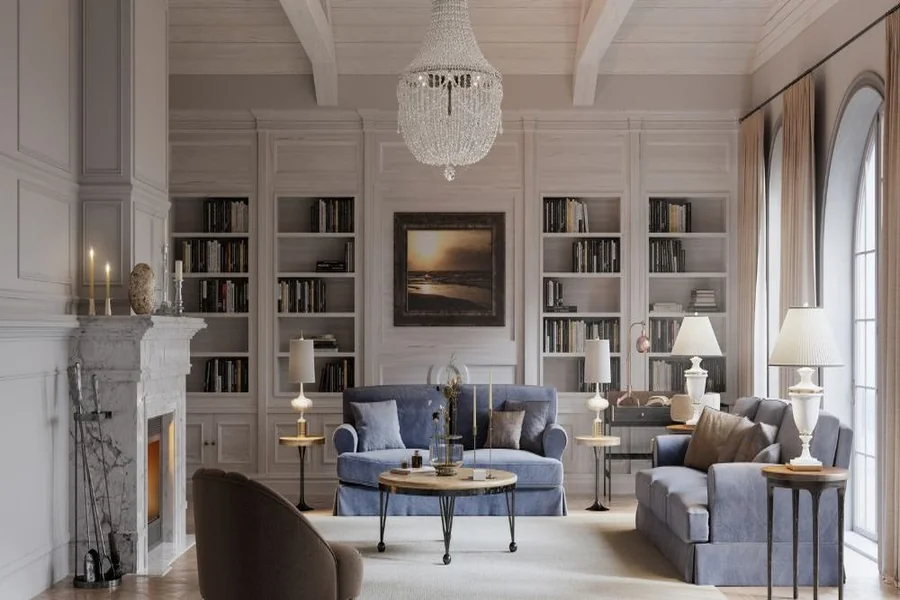
When planning a home renovation or refreshing your interiors, small architectural details can make a significant difference. One such detail is the skirting board, which sits neatly at the junction between the wall and the floor. While often overlooked, it plays both a functional and aesthetic role. The right skirting board can elevate a room’s overall appearance while protecting walls from everyday wear and tear.
Choosing the right option requires thoughtful consideration of style, proportion, material, and how it integrates with the rest of your design.
Matching Your Interior Style
Your interior theme should help you choose. In modern homes, clean lines and minimal detailing tend to work best. A simple, square-edged skirting board complements contemporary interiors by maintaining a sleek and uncluttered look. In contrast, traditional or period-style homes often benefit from more decorative profiles that add character and architectural depth.
The goal is harmony. The skirting should feel like a natural extension of the room rather than an afterthought. When it aligns with your overall design language, it subtly enhances the space without demanding attention.
Getting the Proportions Right
Proportion is one of the most important factors to consider. The height of the skirting board should reflect the ceiling height and overall scale of the room. In spaces with standard ceiling heights, moderate skirting provides balance without overwhelming the walls. In rooms with higher ceilings, taller boards can create a more refined and substantial appearance.
When proportions are correct, the room feels visually balanced. If the skirting is too small, it may look insignificant. If it is too tall, it can dominate the lower part of the wall and disrupt the room’s flow.
Choosing the Right Material
Material selection affects both durability and finish. MDF is a popular choice because it offers a smooth surface that paints well and remains cost-effective. Solid wood provides a more traditional, premium feel and can be stained or varnished for a natural look. In areas exposed to moisture, such as kitchens or bathrooms, moisture-resistant materials are often the smarter choice.
The right skirting board material should align with your budget, the room’s function, and the overall longevity you expect from the installation.
Balancing Style with Function
Beyond its decorative role, a skirting board serves an important practical purpose. It protects walls from scuffs caused by furniture, cleaning equipment, and daily movement. It also helps conceal expansion gaps around flooring edges, resulting in a neat, professional finish.
When chosen thoughtfully, this simple architectural feature enhances both the beauty and functionality of your home. Though subtle, the right skirting board can complete a room with elegance and cohesion.

