
If you live in Southern Pennsylvania, you’ve probably seen it happen, or maybe it has happened to you. You plant grass seed, water it constantly, feed it with every fertilizer, and still your lawn is thin, patchy, and mottled. Meanwhile, your neighbor’s yard is doing well, green, and thick like it belongs on a magazine cover.
So what’s the difference?
Here’s the trick: it is not necessarily the grass. It’s the soil.
Soil testing is one of the most overlooked steps in lawn care, but it’s also one of the smartest. And in South Pennsylvania, where the conditions of the soil can vary from yard to yard, it’s a game-changer.
Here, you will discover what soil testing is, the importance of soil testing, and how it can assist you in developing a healthier lawn without having to waste money and time.
What Soil Testing Means
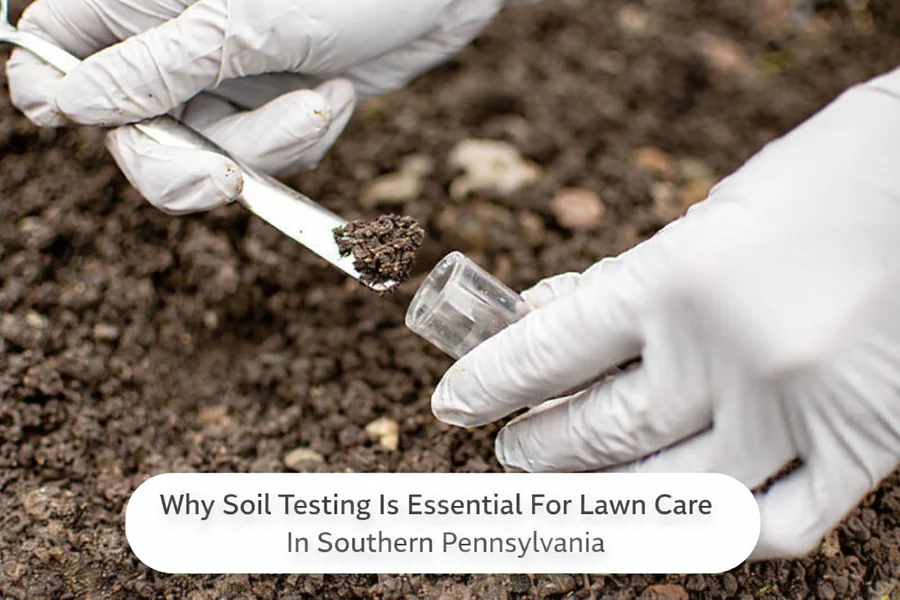
Soil testing assesses your soil’s condition to determine what it needs to grow healthy grass. It determines key factors, including soil pH, nutrient content, and organic matter. These facts may sound technical, but they directly affect how your lawn looks and grows.
Soil testing is like a medical checkup. You would not be prescribed random medicine without an idea of what was wrong. Similarly, you cannot continue applying fertilizer or lime without knowing what your soil lacks. A soil test provides clear information so you no longer have to guess and can begin treating the actual problem.
That is why soil testing is a must in lawn care in Southern Pennsylvania-it provides you with the answers that translate into actual results.
Southern Pennsylvania Soil Comes With Unique Challenges
Here’s where things get interesting. The soil in Southern Pennsylvania is not always lawn-friendly. Most homeowners contend with clay-laden, compacted, and naturally acidic soil. Such problems complicate grass’s ability to develop deep roots, even when conditions are favorable.
Clay soil, for example, retains water for extended periods. That may sound beneficial, but it often causes drainage issues. Water cannot be absorbed into the earth evenly; instead, it can accumulate on the surface or clog the soil. This eventually prevents the roots from receiving oxygen, leading to weak growth and thinning spots.
Another typical problem is acidity. Low soil pH is common in many Pennsylvania lawns, where the soil becomes more acidic than the grass prefers. In acidic soil with low pH, grass cannot absorb nutrients. Even when your lawn has nutrients, it can still appear to be starving.
That’s why soil testing is a must in lawn care in Southern Pennsylvania; it provides you with the answers that translate into actual results.
Why Soil Testing Is Essential For Lawn Care In Southern Pennsylvania
1. Helps You Stop Wasting Money on Lawn Products
Lawn service gets expensive fast, particularly when you are buying manure, lime, weed killers, and soil remedies without knowing what your lawn actually needs. Without soil testing, you are just guessing, and that usually costs people money.
Homeowners over-fertilize in hopes of greener grass, but excessive application can burn the grass, weaken roots, and even increase weed growth. Some use the wrong fertilizer mix.
A soil test would help clarify the situation and identify exactly what the soil is deficient in and what it has in abundance. In this way, you spend only on what works, not on items your lawn does not require, especially when paired with high-quality nutrient solutions from https://www.athenaag.com/.
2. Boosts Grass Growth and Makes Your Lawn Look Fuller
Grass thrives in soil with appropriate nutrients and a balanced pH. When they are not, your lawn will not perform well regardless of watering and fertilizing frequency.
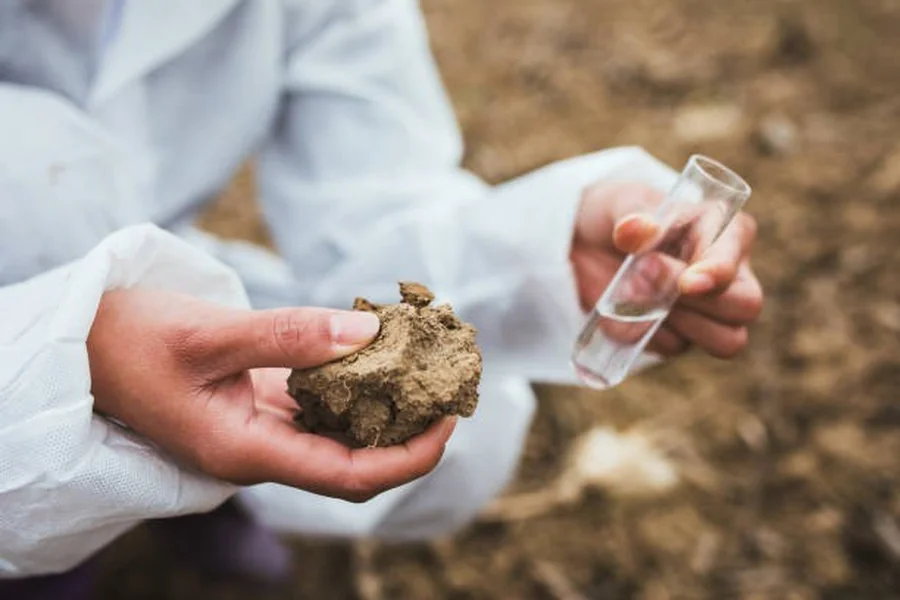
Sometimes it is not your seed or sunlight; it is tight soil, poor nutrient absorption, or a lack of potassium in the soil. After you address those issues, your lawn can fill in more quickly, grow more evenly, and develop deeper roots.
Deeper roots will give a more durable lawn that helps sustain through the long, hot, dry summer stretches in Southern Pennsylvania.
3. Can Reduce Weeds, Moss, and Patchy Areas
Weeds and moss usually appear when the grass is already weak. Thin turf leaves open space, and the weeds soon exploit it. Acidic or poorly drained soil is also a common cause of moss symptoms in most Pennsylvania lawns.
Nutrient imbalance or compaction can also cause bare spots, not just from pets or foot traffic.
Soil testing helps establish the root cause, so you’re not just treating symptoms; you’re fixing the problem at the source.
4. Supports Eco-Friendly Lawn Care in Southern Pennsylvania
The southern part of Pennsylvania is not short of streams and waterways, and excessive fertilizer use exacerbates runoff after rainfall. That runoff can contaminate domestic water sources and damage ecosystems.
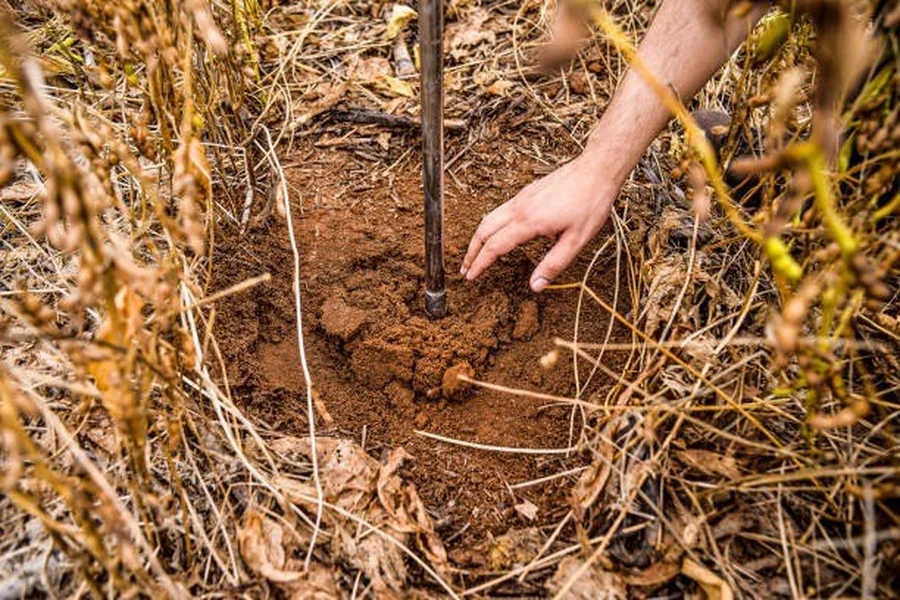
Through soil testing, you can apply only what your lawn needs, preventing waste and the risk of excess chemicals leaching into the soil. It is among the simplest ways to maintain a healthy, environmentally friendly lawn.
Your Lawn’s Secret Blueprint
A great lawn does not begin with the grass seed; it begins with the soil.
Lawn care testing is vital in the Southern region of Pennsylvania, where soil conditions can vary significantly across yards. Some lawns deal with clay-heavy soil, others struggle with low pH, and many face compaction that prevents healthy root growth.
But after you test your soil, it all becomes clear. You will stop guessing, stop wasting money, and stop having the same lawn problems every season.
Rather, you receive a simple blueprint for what you need to do to have your lawn grow bigger, greener, and more robust.

