
Gulf breezes and salt air are part of daily life in Corpus Christi, Texas, but so are the risks that come with a coastal city. Sudden storms, wind-driven rain, and rising water can turn a small roof leak into ruined drywall, warped flooring, and mold within days. Even outside hurricane season, drivers on SPID, construction mishaps, and plumbing failures can leave homes and businesses dealing with costly repairs and tough questions about what happened and what it will take to make things right. In these situations, the most robust property damage claims depend on evidence that provides a comprehensive account, from initial indications of damage to the final cost.
People often perceive submitting a property damage claim as a daunting task. In truth, having the appropriate evidence usually makes up the difference. Thorough documentation and clear evidence support the scope of damage, the full cause, and the value of loss. This article discusses which types of evidence support claims best and how to build a strong file of evidence to support allowed claims, and why property insurance claims assistance in Corpus Christi can help protect your position early.
Photographs and Videos
They say a picture is worth a thousand words, and visual evidence is one of the most compelling of all the types of evidence presented in a property damage claim. Here, photographs of the damage itself provide a better illustration. Wide shots, close-ups, and a variety of angles are crucial in ensuring a comprehensive representation. Videos provide context by showing the damage happening in real time; they capture elements that static images might not, and having these files stored digitally means they will remain safe from loss or damage.
Official Reports
Reports from appropriate authorities can substantiate a claim. Documents from police or fire departments can provide a detailed description of the incident and verify the cause of the damages. These documented records commonly feature sketches, witness statements, and professional assessments. Such documentation can be particularly useful when the loss is because of criminal activity or a natural disaster. Ensure you obtain a copy of all reports generated at the scene.
Repair Estimates and Invoices
Provide specific instructions and estimated costs for the necessary repairs. Getting written quotes from licensed professionals will give some legitimacy. Repair invoices or receipts show actual expenses incurred during the repairs. Documenting all associated expenses (labor, materials, short-term housing) provides ammunition for the case. Having proper documentation aids insurance adjusters in assessing the loss accordingly.
Receipts and Proof of Ownership
The claimant must prove that the damaged property was theirs. Examples of proof of purchase include receipts, warranty cards, or bank statements. The claimant should also provide images of items they have previously owned, along with their current condition. Providing serial numbers or relevant appraisals for valuables will help build a case, especially for high-value claims. The more evidence an insurer receives, the harder it is to dispute an ownership claim.
Witness Statements
Eyewitness accounts can be a reliable third-party confirmation (albeit not a primary source). Often, neighbors, passersby, or first responders note important characteristics. Statements put in writing, preferably signed and dated, provide further support. Witness accounts could clarify the destruction, who was present, and what was done. It is important to gather this information close to the event to ensure that it is accurate.
Correspondence with Insurers
Maintaining a record of all communication with insurance representatives helps prevent misunderstandings. Letters, emails, and phone call notes reveal details such as the information provided and when. If insurers require additional proof or request a urine test, you risk overlooking it in the records. Build trust through transparent communication, and you can follow the progress of the claim. Arranging correspondence in chronological order provides a clear timeline of the events.
Inspection Reports and Expert Assessments
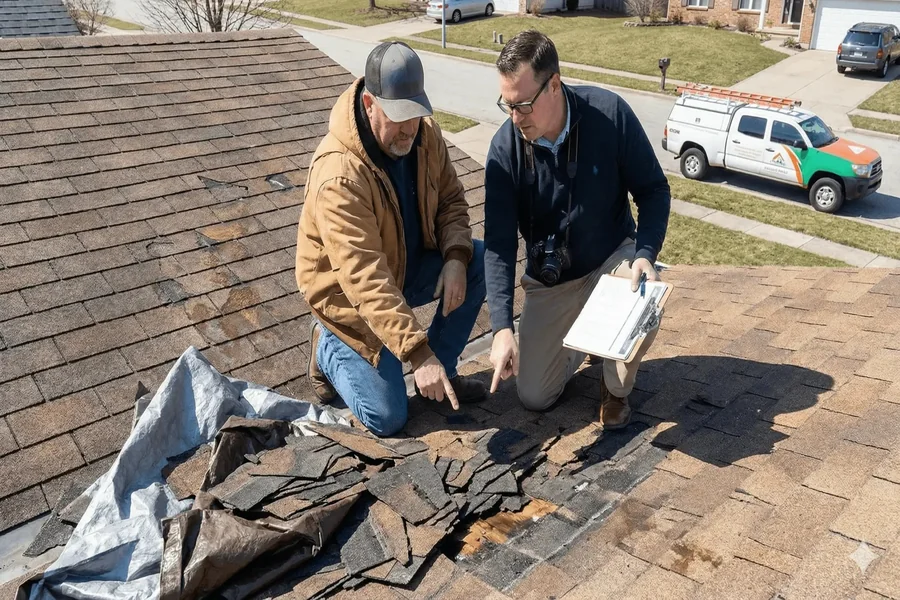
Specialists must evaluate some technically based claims. Structural engineers, contractors, or an appraiser can provide their expert opinion on the damage. An inspection report describes the moving parts and provides recommendations for repairs. Insurance companies typically accept the findings of impartial experts. Adding these assessments might make it easier to prove the claim and resolve disputes.
Timely Reporting and Consistency
The earlier you report damages, the more credible they will be. Inconsistencies in the story or delays in filing may result in queries or raise suspicion. Having uniform documents, statements, and forms will serve as a strong basis for the case. When speaking with insurers or lawyers, it can help to prepare a written summary about the incident so that the information is straightforward.
Conclusion
A robust property damage claim depends on a full spectrum of evidence. Photos, estimates, invoices, and statements come together to tell the full story of the loss. Keeping track of everything and thinking ahead about how to claim your compensation will help improve your chances of getting a fair settlement. Clear, consistent, and timely evidence remains the foundation of a robust property damage claim.

