
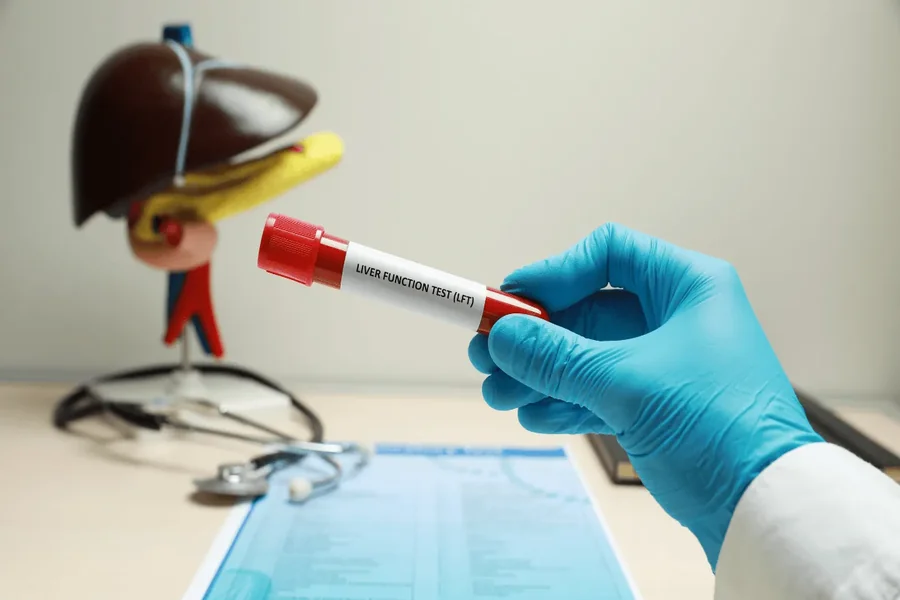
The liver is one of the most vital organs in the body, responsible for filtering toxins, supporting digestion, and regulating metabolism. Maintaining liver health is essential, yet many liver conditions develop silently, showing few or no symptoms until they become serious. This is why early detection and regular monitoring are so important.
A liver specialist Singapore plays a crucial role in assessing liver function, identifying potential issues early, and recommending appropriate interventions. Consulting a liver specialist in Singapore ensures that tests and screenings are tailored to your individual risk factors, helping prevent complications before they arise.
Why Liver Screening is Important
Liver screening is a vital step in maintaining overall health, especially because many liver conditions progress quietly. Diseases such as fatty liver, hepatitis, and cirrhosis often develop without noticeable symptoms, meaning individuals may not realize there is a problem until the condition becomes advanced.
Regular screening allows a liver specialist in Singapore to detect abnormalities early, monitor liver function, and identify potential risks before serious complications occur. Certain groups, including those with a family history of liver disease, high alcohol consumption, obesity, or chronic illnesses like diabetes, are at higher risk and benefit most from routine testing.
Beyond high-risk individuals, screening can also serve as a preventive measure for anyone who wants to maintain optimal liver health. By working closely with a liver specialist Singapore, patients gain a clear understanding of their liver status and can take proactive steps to protect this essential organ.
Common Liver Screening Tests Recommended
Regular liver screening often involves a combination of blood tests and imaging studies. A liver specialist tailors these tests based on your risk factors, age, and medical history. Understanding the purpose of each test can help patients feel more informed and prepared.
1. Liver Function Tests (LFTs)
LFTs are the foundation of liver screening. They measure key enzymes and proteins such as ALT, AST, alkaline phosphatase, bilirubin, and albumin. Abnormal results can indicate inflammation, fatty liver, viral infections, or early liver damage, guiding further evaluation by a liver specialist Singapore.
2. Viral Hepatitis Screening
Tests for hepatitis B and C detect viral infections that can silently damage the liver over time. Early detection allows for timely treatment, reducing the risk of cirrhosis or liver cancer.
3. Ultrasound Imaging
Ultrasound is a non-invasive method to assess liver size, texture, and the presence of fatty deposits or nodules. It helps the liver specialist visualize structural changes that blood tests alone cannot detect.
4. FibroScan (Transient Elastography)
FibroScan measures liver stiffness, providing an accurate assessment of fibrosis and cirrhosis without a biopsy. It is especially useful for patients with chronic liver conditions or abnormal LFT results.
5. Additional Blood Tests
Depending on your individual risk profile, a liver specialist Singapore may recommend tests for iron overload, autoimmune liver diseases, or genetic conditions affecting the liver.
Preparing for Liver Tests
Proper preparation helps ensure accurate liver test results. Patients may be advised to follow these guidelines to allow healthcare professionals to obtain reliable results, giving a clearer understanding of liver health and guiding any necessary follow-up.
- Fast before certain blood tests – Food and drinks can influence enzyme levels.
- Inform your doctor about medications and supplements – Some can affect liver readings.
- Avoid alcohol and strenuous exercise – These can temporarily alter liver function.
- Stay hydrated – Drinking water can make blood tests easier.
- Wear comfortable clothing – Makes procedures like blood draws or imaging simpler.
Understanding Your Test Results
Once liver tests are completed, interpreting the results can seem confusing. Normal ranges are provided for enzymes, proteins, and other markers, but values outside these ranges do not always indicate serious problems. Mild elevations may result from temporary factors such as recent illness, certain medications, or dietary changes.
A healthcare professional will consider your overall health, lifestyle, and risk factors when reviewing your results. Some common markers include:
- ALT and AST – Enzymes that indicate liver cell injury.
- Bilirubin – A substance that shows how well the liver processes waste.
- Albumin and total protein – Indicators of the liver’s synthetic function.
Abnormal results often lead to further investigations, such as imaging or specialized tests. Regular monitoring allows early detection of changes, ensuring timely management and helping maintain long-term liver health.
Conclusion
Regular liver screening plays a key role in maintaining liver health and preventing complications. By understanding the purpose of different tests and following recommended check-ups, patients can monitor their liver function effectively and take timely steps to address any issues.
Consulting a liver specialist in Singapore ensures that screening and follow-up are tailored to individual needs. For professional liver assessment and personalised guidance, you can contact our specialist, at:
