
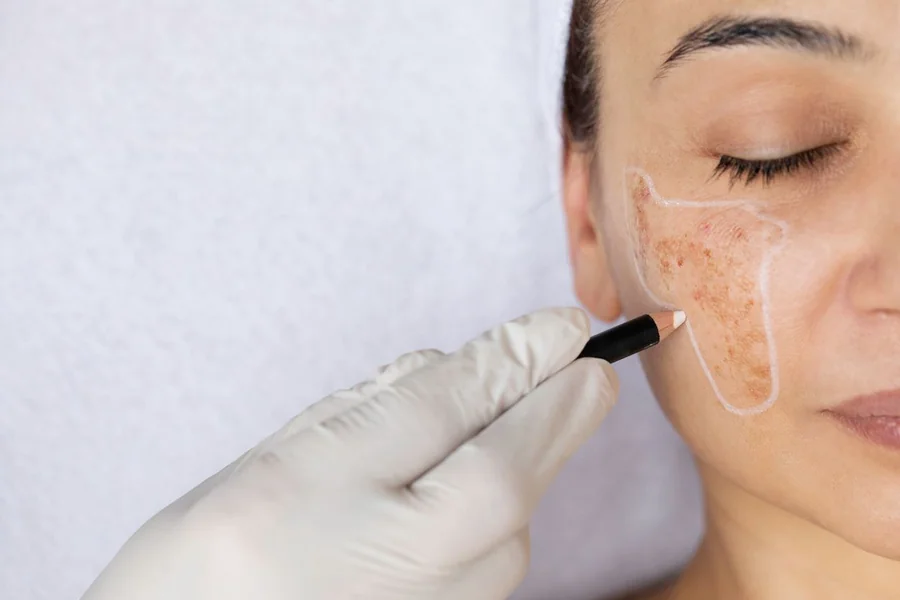
Melasma is a chronic skin condition that causes brown or gray-brown patches, usually appearing on the cheeks, forehead, nose, and upper lip. While many people try single treatments such as topical creams or home remedies, some cases of melasma can be stubborn and resistant, making them difficult to manage. This is often due to underlying triggers like hormonal changes, genetics, or prolonged sun exposure. For these persistent cases, a combination of therapies, ranging from medical-grade topical agents to professional in-clinic procedures, is often the most effective approach.
To understand how certain treatments, like lasers, can affect melasma, read more here https://harmonyaesthetics.sg/pigmentation/dr-angela-hwee-are-lasers-worsening-your-melasma. This article will guide you through evidence-based strategies to manage stubborn melasma and achieve more lasting results.
Causes of Stubborn Melasma
Stubborn melasma often persists due to a combination of factors that make treatment more challenging. Understanding these causes can help guide a more effective, multi-faceted approach. Common contributors include:
- Sun exposure: Ultraviolet (UV) rays stimulate melanin production, worsening pigmentation.
- Hormonal changes: Pregnancy, contraceptive use, and menopause can trigger or intensify melasma.
- Genetics: Some individuals are naturally more prone to persistent pigmentation, particularly in darker skin tones common in Singapore.
- Skin irritation: Harsh products or aggressive treatments can lead to post-inflammatory hyperpigmentation, making melasma harder to manage.
- Single-treatment limitations: Using only one type of therapy may target melanin production but often fails to address other underlying factors like hormonal influence or skin barrier health.
Recognizing these causes highlights the importance of a comprehensive treatment plan that combines multiple therapies to tackle melasma effectively, rather than relying on a single solution.
Topical Treatments
Topical treatments are often the first line of defense against stubborn melasma and can be highly effective when used consistently under professional guidance. Commonly prescribed options include hydroquinone, tretinoin, azelaic acid, and kojic acid, either alone or in combination.
These ingredients work by inhibiting melanin production, promoting skin cell turnover, and gradually lightening pigmented areas. Consistency is key, as results may take several weeks to months to become noticeable. It’s important to apply these treatments as directed to avoid irritation, redness, or sensitivity, which can sometimes worsen pigmentation.
While over-the-counter products may help with mild cases, stubborn melasma often requires medical-grade formulations for optimal results. Topical therapy is most effective when paired with strict sun protection and supportive skincare, forming the foundation of a comprehensive treatment plan that addresses melasma at multiple levels rather than relying solely on one approach.
Medical Procedures and In-Clinic Treatments
For stubborn melasma, in-clinic procedures can complement topical treatments and accelerate results. These professional therapies target deeper layers of pigmentation and improve overall skin texture.
Common options include:
- Chemical peels: Mild to medium-strength peels exfoliate the skin and help reduce melanin buildup, revealing brighter, more even-toned skin.
- Microneedling: Tiny needles stimulate collagen production and enhance the absorption of topical treatments, improving their effectiveness.
- Laser therapy: Specialized lasers, such as Q-switched or fractional lasers, can target pigment without damaging surrounding skin, but must be carefully chosen to avoid post-inflammatory hyperpigmentation.
- Combination procedures: Sometimes multiple techniques are used together in a controlled plan to achieve better results for stubborn melasma.
While these procedures can be highly effective, it’s crucial to consult a qualified aesthetics doctor to determine the right type and intensity for your skin.
Importance of Sun Protection
Sun protection is one of the most critical steps in managing stubborn melasma. Ultraviolet (UV) rays are a primary trigger for pigmentation, and even brief daily exposure can worsen existing patches or cause new ones to form. Using a broad-spectrum sunscreen with SPF 50 or higher helps block harmful UVA and UVB rays, while physical barriers such as hats and sunglasses offer additional protection, especially in Singapore’s tropical climate.
Consistent sun protection not only prevents melasma from worsening but also enhances the effectiveness of other treatments, including topical creams and in-clinic procedures. Patients should make sunscreen application a daily habit, reapplying every two to three hours when outdoors, and avoid direct sun exposure during peak hours. This foundational step is essential for long-term melasma management.
Lifestyle and Skincare Support
Supporting melasma treatment with the right lifestyle and skincare habits can make a significant difference. Gentle skincare is essential, avoid harsh scrubs, alcohol-based products, or over-exfoliation, as these can irritate the skin and worsen pigmentation. Maintaining hormonal balance through a healthy diet, stress management, and adequate sleep can also support skin health.
Incorporating antioxidants, soothing moisturizers, and barrier-repair ingredients helps protect the skin while enhancing treatment results. While lifestyle changes alone won’t eliminate melasma, they work synergistically with topical and in-clinic therapies, improving outcomes and helping maintain long-term results for stubborn pigmentation.
Summary
In conclusion, stubborn melasma requires a comprehensive approach that combines topical treatments, in-clinic procedures, sun protection, and supportive lifestyle habits. By addressing multiple factors simultaneously, patients can achieve more consistent and lasting results while minimizing the risk of recurrence. If you’re struggling with melasma and want a personalized treatment plan, book a consultation with our specialists at:
