
The modern home is no longer just a shelter; it is a high-performance ecosystem designed to maximize comfort while minimizing environmental impact. At the heart of this evolution are insulated glass panels for windows, which have become the gold standard for residential and commercial architecture in 2026. As energy costs fluctuate and climate volatility increases, the ability of a building to regulate its internal temperature without over-reliance on HVAC systems is paramount. Understanding how these advanced glazing units work is the first step toward a more sustainable and cost-effective lifestyle.
For many years, single-pane glass was the industry norm, but it acted as a thermal bridge, allowing heat to escape in the winter and penetrate in the summer. Today, insulated glass panels for windows; often referred to as Insulated Glass Units (IGUs), utilize multiple layers of glass separated by a sealed space filled with inert gas or a vacuum. This construction creates a powerful thermal barrier that significantly reduces heat transfer. New manufacturing techniques have made these panels thinner, stronger, and more efficient than ever before, offering homeowners a way to slash energy bills by up to 30% while enjoying crystal-clear views.
What are Insulated Glass Panels for Windows?
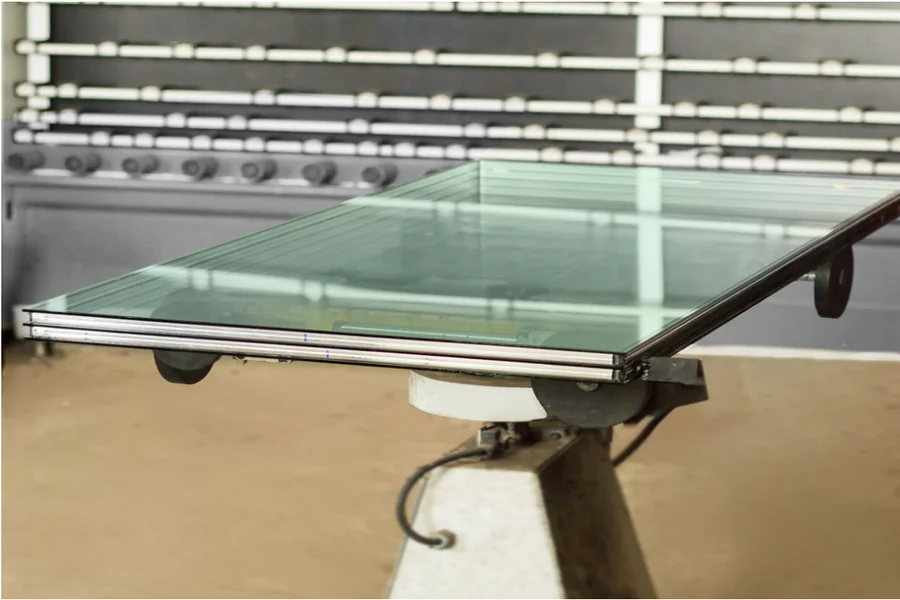
An insulated glass unit is a sophisticated assembly of several components working in harmony. While it might look like a simple thick piece of glass, it is actually a multi-layered sandwich of technology.
The Core Components
- Glass Panes: Typically two or three layers of glass. In 2026, “Thin-Triple” technology has gained traction, using a middle layer of ultra-thin glass to provide triple-pane performance at double-pane weights.
- The Spacer: This is the frame that holds the glass panes apart. Modern “Warm Edge” spacers are made of structural foam or composite materials rather than aluminum to prevent thermal bridging at the edges.
- The Gas Fill: The space between the panes is usually filled with Argon or Krypton gas. These gases are denser than air, which slows down the movement of heat molecules.
- The Desiccant: Located inside the spacer, this moisture-absorbing material prevents condensation from forming inside the unit.
- The Sealant: A primary seal (usually polyisobutylene) and a secondary seal (silicone or polyurethane) keep the gas in and the moisture out.
The Benefits of Upgrading to High-Efficiency Glazing
The shift toward insulated glass panels for windows is driven by more than just building codes; it’s about the tangible benefits they provide to the inhabitants of the space.
1. Superior Thermal Insulation
The primary reason for installing IGUs is to control the climate. By reducing the U-factor (the rate of heat loss), these panels keep your home warmer in the winter and cooler in the summer. In 2026, the average high-performance double-pane unit achieves a U-factor below 0.30, while triple-pane units can reach as low as 0.15.
2. Acoustic Comfort and Noise Reduction
For urban dwellers, the sound-dampening properties of insulated glass are a game-changer. The multiple layers of glass and the gas-filled cavity act as a buffer against street noise, sirens, and neighbors. Using “dissimilar glass” (panes of different thicknesses) can further disrupt sound waves, achieving a higher Sound Transmission Class (STC) rating.
3. UV Protection and Interior Preservation
Most modern insulated glass panels for windows come with Low-Emissivity (Low-E) coatings. These microscopically thin metallic layers reflect infrared and ultraviolet light. This not only keeps heat out but also prevents your furniture, flooring, and artwork from fading due to sun exposure.
4. Condensation Resistance
Single-pane windows are notorious for “sweating” in the winter. This moisture can lead to mold growth and wood rot. Because the inner pane of an insulated glass unit stays closer to the room temperature, the air near the glass doesn’t reach its dew point as easily, virtually eliminating surface condensation.
The Rise of VIG and Smart Glass
As we move through 2026, several emerging technologies are redefining the standard for insulated glass panels for windows.
Vacuum Insulated Glass (VIG)
VIG is the “next big thing” in the window industry. Instead of filling the gap with gas, manufacturers create a near-total vacuum between two panes of glass. Since a vacuum cannot conduct heat, VIG units offer the insulation of a brick wall in a thickness comparable to a single pane of glass. This is particularly popular for historic home renovations where the original slim frames must be preserved.
Smart and Dynamic Tinting
Integrated smart technology now allows glass to change its tint based on the sun’s intensity or user preference. Electrochromic glass can be controlled via a smartphone app or automated home system, darkening during the hottest part of the day to reduce solar heat gain and clearing up in the evening.
Pricing Guide
The cost of replacing or installing new insulated glass panels for windows depends on the size, number of panes, and specialized coatings.
| Feature | Average Cost per Sq. Ft. (2026) | Performance Level |
| Standard Double-Pane (Clear) | $20 – $30 | Basic Efficiency |
| Double-Pane with Low-E & Argon | $30 – $45 | High Efficiency |
| Triple-Pane (Standard) | $45 – $65 | Ultra Efficiency |
| Vacuum Insulated Glazing (VIG) | $80 – $120 | State-of-the-Art |
| Smart/Switchable Glass | $150 – $250 | Luxury/Commercial |
Technical Specifications: What to Look For
When shopping for insulated glass panels for windows, you will encounter several ratings that define the unit’s performance. Understanding these is vital for choosing the right product for your climate.
U-Factor (Thermal Transmittance)
The U-factor measures how well the window keeps heat from escaping. The lower the number, the better the window is at insulating. For 2026 Energy Star certification in northern climates, look for a U-factor of $0.27$ or lower.
Solar Heat Gain Coefficient (SHGC)
SHGC measures how much solar radiation is admitted through a window. In hot, sunny climates (like the Southern US), a low SHGC (below $0.25$) is preferred to keep the home cool. In colder climates, a higher SHGC can provide beneficial “passive solar heating.”
Visible Transmittance (VT)
VT measures how much light comes through the window. You want a high VT if you like natural light, but sometimes a lower VT is necessary for glare control in office environments.
Maintenance and Lifespan of Insulated Glass
The lifespan of insulated glass panels is typically 15 to 25 years. However, the most common issue is “seal failure.”
Identifying Seal Failure
When the seal between the panes breaks, the insulating gas escapes and moist air enters. This results in permanent fogging or “calcium deposits” between the panes that cannot be cleaned. If you see fogging, the unit is no longer providing its rated thermal insulation and should be replaced.
Tips for Longevity
- Avoid Pressure Washing: High-pressure water can force its way past the seals.
- Inspect Caulking: Ensure the exterior caulking around the window frame is intact to prevent water from pooling near the bottom seal of the IGU.
- Proper Drainage: Modern window frames have “weep holes” to let water out. Ensure these are not clogged with dirt or paint.
Installation: DIY vs. Professional
While replacing an entire window frame is a major project, replacing just the insulated glass panels for windows (an “IGU swap”) is a common repair.
When to DIY
If your window has removable glazing beads (the strips that hold the glass in), you can often measure and order a replacement panel online. This is significantly cheaper than a full window replacement.
When to Call a Pro
If your windows are “wrap-around” vinyl or older wood frames with glazing putty, professional installation is recommended. Furthermore, for high-rise buildings or oversized tempered panels, the weight and safety risks require specialized equipment.
Sustainability and the Circular Economy
The glass industry has embraced the circular economy. Many manufacturers of insulated glass panels for windows now offer recycling programs for old units. Glass is infinitely recyclable, and modern production plants are increasingly powered by renewable energy. By choosing a manufacturer with a strong ESG (Environmental, Social, and Governance) rating, you are contributing to a lower-carbon future.
Furthermore, the longevity of modern seals; thanks to advancements in thermoplastic spacers, means that today’s windows will last longer, reducing the frequency of replacements and the associated waste.
Investing in Your Home’s Future
Choosing the right insulated glass panels for windows is one of the most impactful decisions a homeowner can make in 2026. Beyond the immediate gratification of a clearer view and a quieter home, the long-term financial benefits are substantial. As building regulations tighten and energy efficiency becomes a key factor in home valuation, high-performance glazing ensures your property remains competitive and comfortable.
Whether you are opting for the tried-and-true double-pane unit with Argon gas or the cutting-edge performance of Vacuum Insulated Glazing, the goal remains the same: to create a stable, protected environment. By paying attention to U-factors, SHGC ratings, and the quality of the spacer technology, you can ensure that your insulated glass panels for windows provide peak performance for decades to come.

