
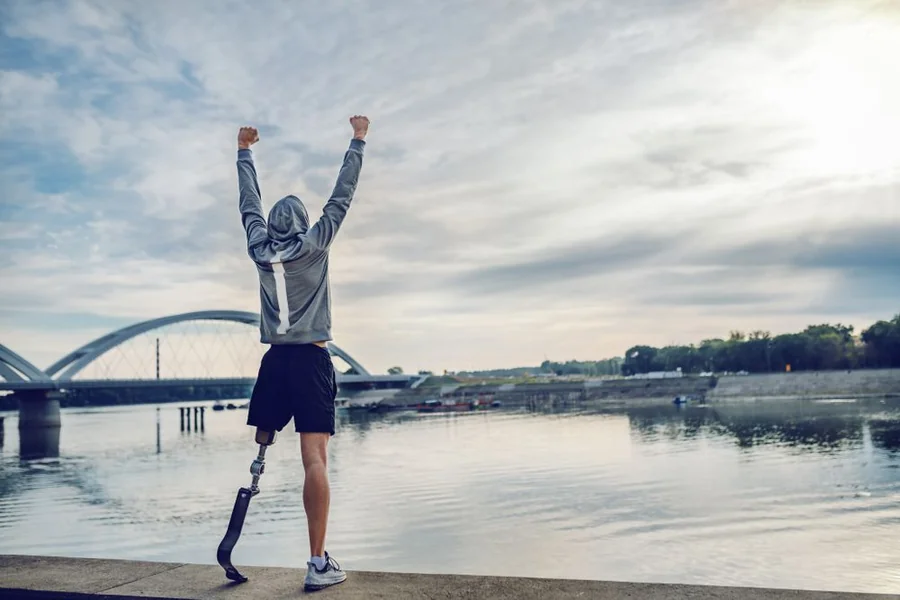
Recovering from limb loss is a journey that extends far beyond the operating room. For many, the path from surgery to regaining independence and activity is shaped by advances in prosthetic technology. How do early prosthetic solutions and the latest innovations help people not only recover, but also return to an active, fulfilling lifestyle? This article explores the crucial stages in this process and the role that modern prosthetic solutions play.
Early Intervention: The Role of Immediate Post-Operative Prostheses
Timely intervention following amputation is vital for both physical and psychological recovery. One of the earliest steps is the use of the ipop prosthesis, designed to be fitted shortly after surgery. Immediate post-operative prosthetic (IPOP) solutions offer gentle compression, shaping of the residual limb, and even early mobility training. This not only helps control swelling and pain but also fosters a sense of optimism by allowing patients to visualize a future with restored function.
The initial days after amputation can be emotionally challenging. Early prosthetic fitting helps minimize the length of hospital stays and encourages the patient to participate actively in their rehabilitation process. This phase is crucial for building resilience and setting the stage for further progress.
The Evolution of Modern Prosthetic Limbs
Prosthetic technology has evolved rapidly in recent decades. What once were simple, rigid devices have transformed into sophisticated systems that closely mimic natural limb movement. Today’s prosthetics use lightweight materials, advanced socket designs, and microprocessor-controlled joints.
For individuals with upper limb loss, especially those with an above elbow amputation, modern prostheses can restore not only basic movement but also fine motor skills. These advancements enable users to perform daily tasks like eating, dressing, and even typing with greater ease and confidence. The evolution of limb technology also means that prosthetic devices can now be more closely tailored to each individual’s needs and lifestyle.
Checklist: Key Factors in Prosthetic Rehabilitation
- Early fitting with an IPOP prosthesis to shape the residual limb
- Collaboration with a multidisciplinary rehabilitation team
- Regular adjustment and alignment of prosthetic components
- Patient education about prosthetic care and limb health
- Psychological support throughout the recovery process
- Gradual increase in activity levels as strength improves
- Ongoing communication with prosthetists for optimal device function
Supporting Active Living: Returning to Work, Sports, and Daily Life
As rehabilitation progresses, the focus shifts from basic mobility to regaining independence in a variety of everyday activities. Occupational therapy and physical therapy are essential in this stage, helping patients adapt to their new prosthetic devices. Training may include walking on uneven surfaces, climbing stairs, and performing household chores.
For those who wish to participate in sports or physically demanding activities, specialized prosthetic limbs are available. These devices are engineered for durability, shock absorption, and enhanced performance, allowing users to run, cycle, or swim with remarkable efficiency.
Technological Advances in Lower and Upper Limb Prosthetics
The integration of microprocessors and smart sensors has revolutionized both lower and upper limb prosthetics. For instance, some knee and ankle units now automatically adjust to walking speed and terrain, reducing the risk of falls. Upper limb prosthetics, especially those for above elbow amputation, may include features such as multi-articulating fingers and grip patterns that respond to subtle muscle signals.
Such innovations not only improve functional outcomes but also empower users to pursue more ambitious goals—whether returning to work, playing with their children, or participating in community events. The adaptability and customization of modern prosthetics are central to supporting diverse lifestyles.
Overcoming Challenges: Psychological and Social Aspects
Physical recovery is only part of the journey; emotional and social adaptation are equally important. Amputation can impact self-image, confidence, and relationships. Access to counseling, peer support groups, and mental health resources plays a key role in helping individuals adjust and thrive.
Community engagement, whether through support networks or recreational activities, fosters a sense of belonging and motivation. Many find that connecting with others who have experienced limb loss is invaluable for sharing practical advice and encouragement.
Embracing Athleticism with Specialized Prosthetics
For many, returning to an active lifestyle means more than just walking—it includes running, competitive sports, or vigorous outdoor activities. This is where athletic prosthetics become essential. These prostheses are specifically engineered for high-impact use, offering advanced shock absorption, energy return, and biomechanical efficiency.
Runners, cyclists, and even swimmers benefit from these specialized devices, which are designed to withstand intense activity while minimizing the risk of injury. The availability of athletic prosthetics has opened new doors for amputees, enabling them to participate in events from local races to the Paralympic Games.
Conclusion
Early prosthetic solutions and advanced limb technology have transformed the recovery journey for individuals with limb loss. Immediate post-operative devices like the IPOP prosthesis set the stage for healing, while innovations in both upper and lower limb prosthetics empower users to reclaim independence and pursue active lifestyles. Whether adapting to daily life after an above elbow amputation or reaching new heights with athletic prosthetics, today’s solutions offer unprecedented support. As technology continues to evolve, the future promises even greater possibilities for recovery, resilience, and active living.
