
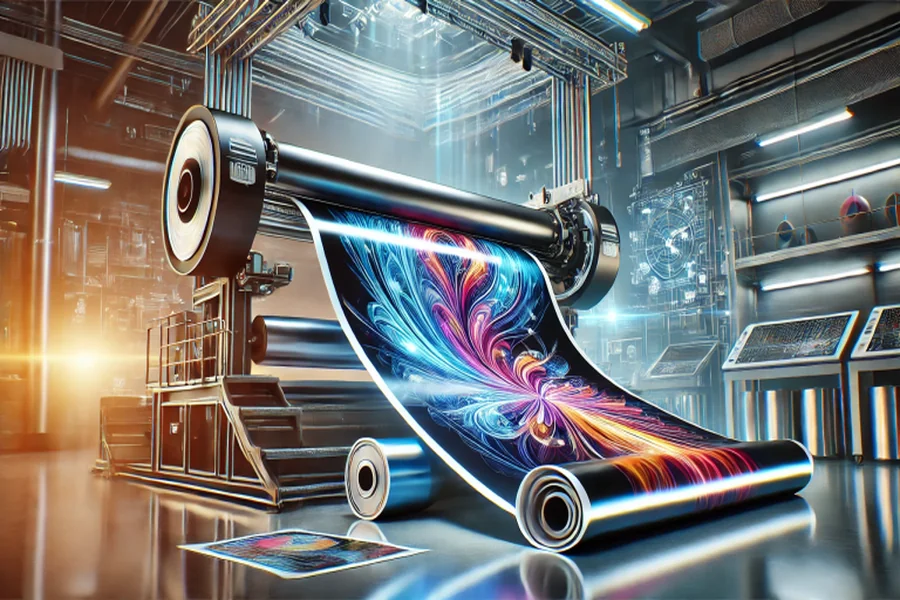
Art has always evolved with technology. From handwritten manuscripts to printed books, and now to digital platforms, creativity continues to find new ways to reach people. One of the most exciting modern shifts is how illustrated poetry once limited to niche audiences is now becoming widely accessible through on-demand printing.
At the center of this transformation is DTF printing. It allows artists, freelancers, and small business owners to turn creative ideas into physical products without needing large-scale production setups. This shift is not just about printing—it’s about giving creators the freedom to produce, sell, and experiment without barriers.
From Digital Art to Physical Expression
Illustrated poetry lives at the intersection of visual art and written expression. Platforms like Instagram and Etsy have made it easier for artists to share their work, but monetizing it has always been a challenge.
DTF printing changes that.
Instead of relying on bulk manufacturing, creators can now print their designs on demand—whether it’s on apparel, tote bags, or accessories. This allows them to test ideas, respond to trends, and create limited-edition pieces without financial risk.
Why DTF Printing Fits the Modern Creator Economy
For small creators, flexibility is everything. Orders don’t always come consistently. Some days are busy, while others are quiet. This is where choosing the best dtf printer becomes important:
A reliable desktop setup allows creators to manage their workflow without stress. If your shop receives only a few orders during the week and a sudden spike on weekends, you need equipment that adapts to that rhythm.
Instead of worrying about constant maintenance or unexpected issues after idle time, a stable DTF system helps you focus on creativity and order fulfillment.
A Low-Stress Workflow for Small Studios
One of the biggest challenges for beginners is managing both production and business tasks. You’re not just printing—you’re also:
- Designing artwork
- Responding to customers
- Managing listings
- Packaging orders
In such situations, having a printing system that doesn’t demand constant attention makes a huge difference.
For example, imagine taking a break over the weekend. On Monday, you want to start printing immediately—not spend hours fixing issues. A well-designed desktop DTF setup supports this kind of workflow by reducing downtime and keeping things simple.
Stability Matters More Than Speed
When you’re running a small operation, consistency is more valuable than high-speed output.
Let’s say you receive 10 orders in one evening. The goal is to complete them smoothly, without interruptions. A stable system ensures that:
- Prints come out consistently
- There are fewer production stops
- You avoid wasting materials
This reliability directly impacts your reputation as a seller. Customers expect timely delivery, and smooth production helps you meet those expectations.
Creating Illustrated Poetry Products
DTF printing allows creators to turn poetry into wearable or usable art.
For example:
- A short poem printed on a t-shirt
- A quote combined with minimal illustration on a tote bag
- Handwritten-style typography on hoodies
To complete the process, a heat press machine is used to transfer designs onto fabric:
heat press: This step ensures that the design is durable and long-lasting.
Additionally, heat transfer vinyl can be used for layering or adding special textures:
heat transfer vinyl:
Together, these tools create a complete production system that is both flexible and efficient.
Designed for Real-Life Workflows
One of the biggest advantages of modern DTF setups is how well they fit into real-life working conditions.
Consider this scenario:
You’re a freelancer managing a small online store. During the day, you’re communicating with clients. In the evening, you focus on production.
While printing, you might also be:
- Replying to messages
- Updating product listings
- Preparing packaging
In this situation, built-in alerts and simple controls are extremely helpful. They allow you to multitask without constantly checking the machine.
This kind of workflow is what makes DTF printing accessible to beginners and small teams.
Easier Learning Curve for New Creators
Starting something new can be overwhelming, especially when it involves technical equipment.
However, modern DTF systems are designed to be beginner-friendly. Instead of complex industrial processes, they offer:
- Simple setup
- Easy-to-understand controls
- Faster learning time
This is particularly helpful for creators transitioning from other methods like vinyl or sublimation printing.
It also makes it easier to train someone else whether it’s a friend, family member, or assistant without spending weeks on technical training.
Managing Costs Through Efficiency
For small businesses, every mistake costs money. Wasted film, ink, or time can quickly add up.
That’s why a reliable workflow is important. When your system runs smoothly:
- You reduce rework
- You avoid material waste
- You save time
Over time, this improves your overall profit margins.
Instead of focusing only on upfront cost, it’s better to think about long-term efficiency.
Handling Both Slow Days and Busy Periods
One of the realities of small businesses is inconsistent demand.
- Some days you might have only 2–3 orders
- Other days, you might need to fulfill 15+ orders
A good DTF setup should handle both situations without stress.
For example, during a promotional campaign or local event, you might receive a sudden increase in orders. Your system should be able to handle that workload without slowing you down.
At the same time, during quieter periods, it should remain easy to manage without requiring constant operation.
The Bigger Picture: Democratizing Creativity
DTF printing is not just a tool—it’s part of a larger movement.
It allows:
- Independent artists to sell their work
- Small businesses to compete with larger brands
- Creators to experiment without financial risk
In the context of illustrated poetry, this means more voices can be heard. Artists no longer need publishers or large budgets to share their work in physical form.
They can create, print, and sell—all from a small workspace.
Conclusion
DTF printing is playing a key role in the digital democratization of illustrated poetry. By making production accessible, it empowers creators to turn ideas into real products without complex setups.
With the right combination of tools—like a dependable DTF printer, a heat press machine, and heat transfer vinyl—small creators can build efficient, low-stress workflows that support both creativity and business growth.
For freelancers and entrepreneurs, the goal is simple: keep production smooth, minimize downtime, and focus on delivering value. When your tools support your workflow instead of slowing it down, you unlock the true potential of on-demand creativity.

