
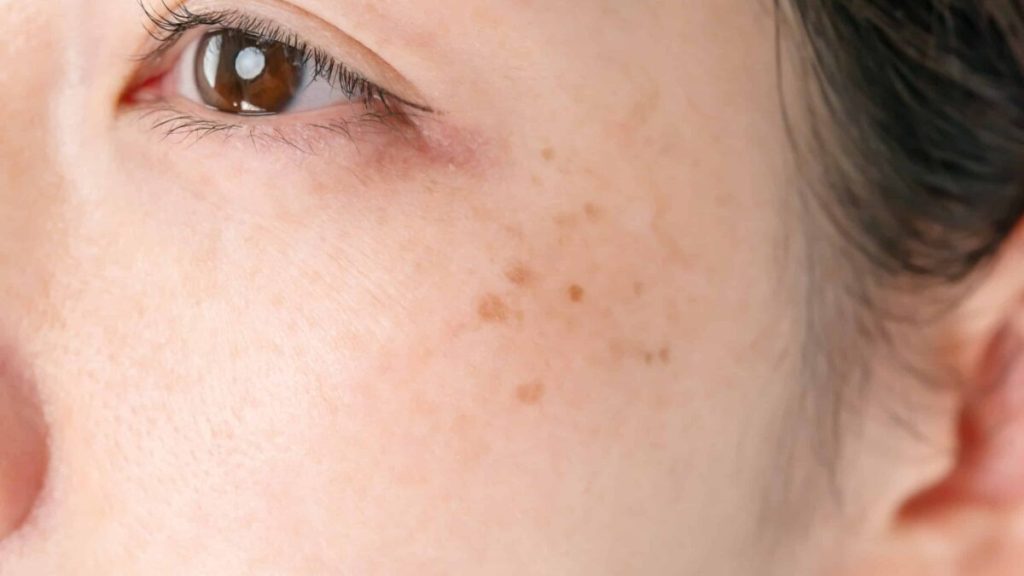
Sun spots (solar lentigines) are a common form of pigmentation seen in many patients in Singapore, largely due to the country’s strong and consistent UV exposure throughout the year. These spots typically appear on sun-exposed areas such as the face, hands, shoulders, and forearms, and they tend to become more noticeable and persistent with age as cumulative sun damage builds up in the skin. Many patients eventually seek help from a pigmentation clinic Singapore when they find that over-the-counter creams and skincare products do not significantly fade these spots.
In fact, deeper pigmentation often requires medical assessment and targeted treatments, especially when topical solutions fail to deliver results. In some cases, patients may have previously undergone treatments with limited improvement, which can be further explained here https://onefaceclinic.com/why-doesnt-pigmentation-improve-after-lasers/.
Causes of Sun Spots (Solar Lentigines)
Sun spots, also known as solar lentigines, are primarily caused by long-term and repeated exposure to ultraviolet (UV) radiation. Over time, UV rays stimulate melanocytes in the skin to produce excess melanin, which gradually accumulates and forms visible brown or dark spots. Unlike temporary tanning, these pigment deposits become more permanent and do not fade easily on their own.
In Singapore’s tropical climate, UV exposure is intense throughout the year, even on cloudy days or during daily commuting. This means the skin is continuously subjected to low-level sun damage, which accelerates the development of pigmentation over time. Patients who frequently engage in outdoor activities or do not consistently apply sun protection are at higher risk.
Other contributing factors include aging skin, as the skin’s natural repair mechanisms become less efficient, and a history of sunburns or tanning. Certain skin types, especially Asian skin, may also be more prone to developing visible pigmentation after UV exposure. As a result, sun spots often appear gradually and increase in number and darkness with age, making early prevention and treatment important in a pigmentation clinic Singapore setting.
How Sun Spots Look and How They Are Diagnosed
Sun spots (solar lentigines) typically present as flat, well-defined brown to dark brown patches on the skin. They vary in size from small freckle-like dots to larger, more distinct patches, and commonly appear on chronically sun-exposed areas such as the cheeks, forehead, nose, backs of the hands, and forearms. Unlike acne marks, they do not feel raised or textured, and unlike melasma, they are usually more discrete and sharply bordered.
In a clinical setting at a pigmentation clinic Singapore, diagnosis is usually made through a visual examination by a doctor. The appearance, distribution, and patient history of sun exposure are key clues. In some cases, a dermatoscope may be used to examine the pigmentation more closely and confirm that the lesion is benign and consistent with solar lentigines.
It is also important to differentiate sun spots from other forms of pigmentation such as freckles, post-inflammatory hyperpigmentation, or early skin lesions that may require further assessment. This step ensures that the treatment plan is appropriate and safe, as different types of pigmentation respond differently to lasers, topical agents, and combination therapies.
Why Sun Spots Do Not Respond Well to Creams Alone
Many patients try whitening creams or brightening skincare first, but sun spots usually do not fade significantly with topical products alone. This is because solar lentigines are formed from long-term sun damage and pigmentation that sits deeper in the skin.
At a pigmentation clinic Singapore, it is common to see patients who have used multiple products without improvement, especially for older or darker sun spots. Key reasons include:
- Pigmentation is deeper in the skin, not just on the surface
- Long-term melanin build-up is harder to break down
- Creams have limited skin penetration
- Results are often too mild for established sun spots
- Ongoing sun exposure can worsen pigmentation
Because of this, in-clinic treatments are often needed for more visible and lasting improvement.
Treatment Options at a Pigmentation Clinic in Singapore
At a pigmentation clinic Singapore, treatment for sun spots is tailored based on the depth of pigmentation, skin type, and overall skin condition. Since solar lentigines are caused by sun damage, in-clinic procedures are often more effective than skincare alone in achieving visible clearance.
Common treatment options include:
- Laser treatments – Target excess melanin directly, breaking down pigment so the body can naturally clear it over time.
- Intense Pulsed Light (IPL) – Uses light energy to fade superficial sun spots and improve overall skin tone.
- Chemical peels – Help exfoliate pigmented surface layers and support skin renewal, especially for mild cases.
- Combination therapy – Often recommended for more stubborn or widespread pigmentation to improve overall results.
The choice of treatment depends on factors such as skin sensitivity, pigmentation depth, and risk of post-treatment pigmentation, especially in Asian skin types. A proper medical assessment helps ensure treatments are both safe and effective.
Results and Treatment Timeline
Sun spot treatments usually show gradual improvement rather than immediate results. After each session, pigmentation may darken slightly before it fades over time as the skin renews. At a pigmentation clinic Singapore, treatments are spaced out over several weeks to allow safe recovery and better response.
Most patients need multiple sessions depending on how deep or long-standing the sun spots are. Consistent sun protection is also important, as UV exposure can slow healing and cause pigmentation to return.
Long-Term Management Approach for Pigmentation
Ultimately, pigmentation should be viewed as a long-term skin condition that can be effectively managed but not always permanently cured. Even after successful improvement, the skin remains susceptible to environmental, hormonal, and inflammatory triggers that can reactivate melanin production. This is why the most effective approach focuses on long-term control rather than short-term correction.
A personalised treatment plan that combines in-clinic procedures, medical skincare, and consistent sun protection is often necessary to maintain results. Regular review with a doctor also helps to adjust treatment intensity based on how the skin responds over time. With the right strategy, pigmentation can be kept under control, allowing patients to maintain clearer, more even-toned skin in the long run.
Conclusion
Sun spots are a common form of pigmentation caused by long-term sun exposure and are especially prevalent in Singapore’s sunny climate. While they may appear harmless, they often become more noticeable over time and can be difficult to improve with skincare alone. With the right diagnosis and targeted treatments at a pigmentation clinic Singapore, significant fading and skin improvement are possible when combined with proper sun protection and maintenance.
If you are concerned about persistent sun spots or uneven skin pigmentation, early assessment can help guide the most suitable treatment plan. Book an appointment to our specialist, at:
