
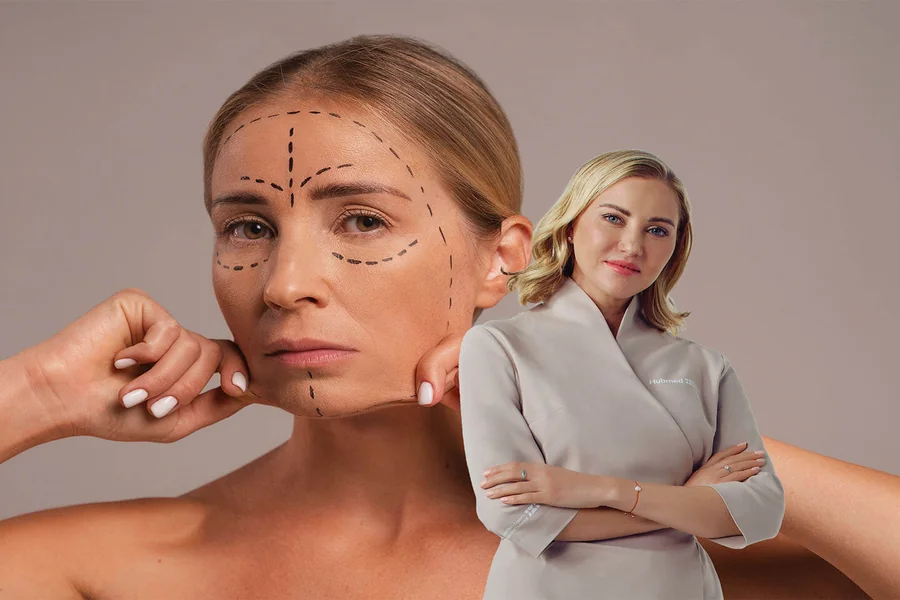
For years, aesthetic medicine was framed around correction. Smooth the wrinkle. Lift the sag. Add volume where it has been lost. Those goals still matter, but the conversation has shifted. More patients are now asking a different question first: how can I make my skin look healthier overall?
That change has helped drive interest in what many practitioners call a “skin quality first” approach. Instead of focusing only on lines or facial structure, these treatments aim to improve the skin itself — its hydration, texture, luminosity, and resilience. It is a subtler philosophy, but in many ways a more modern one. People still want to look refreshed; they just increasingly want to get there without looking “done”.
Mesotherapy sits squarely within this movement. Once considered niche in some markets, it has become part of a broader shift toward regenerative, maintenance-based aesthetics. To understand why, it helps to look at what skin quality really means and why patients are prioritising it.
Why skin quality has become the new benchmark
There is a reason “glow” now features so heavily in patient consultations and skincare marketing alike. Good skin quality signals health, rest, and vitality in a way that no single wrinkle treatment can replicate. A face with smooth texture, even tone, and strong hydration often looks younger regardless of age.
The post-filter effect
Digital culture has played a role here. High-definition cameras, video calls, and social media filters have made people more aware of surface-level skin issues: dullness, crepiness, enlarged pores, dehydration, and uneven tone. These concerns are often more visible in motion or under harsh lighting than static lines alone.
At the same time, patients have become more sophisticated. Many now understand that chasing every fold or volume loss can lead to overcorrection. They are looking for results that read as believable. Better skin quality supports that. It improves the canvas, not just the contour.
Prevention has gone mainstream
Another driver is the rise of preventative aesthetics. Younger patients are not necessarily asking for dramatic intervention; they want to maintain skin health before visible ageing becomes pronounced. Older patients, meanwhile, often want treatments that complement other procedures and keep the skin looking strong over time.
That is where injectable skin rejuvenation treatments have gained momentum. Rather than replacing volume or relaxing muscle movement, they work closer to the level of skin condition itself.
Where mesotherapy fits into the picture
Mesotherapy has found renewed relevance because it speaks directly to this demand for healthy-looking skin. In simple terms, it involves delivering small amounts of active ingredients into the skin to support hydration and revitalisation. The exact formulations vary, but the principle is consistent: nourish the skin where topical products may have limited reach.
For readers wanting a clearer overview, mesotherapy is often described as an aesthetic treatment designed to nourish the skin by delivering targeted ingredients that support hydration, texture, and overall radiance. That framing helps explain why it appeals to patients who are less interested in dramatic change and more interested in looking fresher, smoother, and better rested.
It aligns with the “undetectable” trend
One reason mesotherapy is rising alongside treatments such as skin boosters and biostimulatory procedures is that the result is typically cumulative and low-key. You may not walk out looking transformed, and that is part of the point. Friends might say you look well, not “treated”.
That matters in a market where subtlety has become a virtue. The most sought-after aesthetic results today often share three characteristics:
- they improve skin quality gradually
- they layer well with a broader skincare or treatment plan
- they support natural-looking outcomes rather than obvious correction
Mesotherapy fits neatly into that framework.
What patients are really asking for now
When patients say they want “glowing skin”, they are rarely talking about shine alone. Usually, they mean a combination of qualities that make skin appear healthier and more resilient.
Hydration, texture, and tone
Dehydrated skin can look tired even when facial volume is intact. Rough texture can make makeup sit poorly. Uneven tone can create an impression of ageing even in younger faces. These are the kinds of concerns that skin quality treatments are designed to address, often as part of an ongoing plan rather than a one-off fix.
That shift also reflects a more realistic understanding of ageing. Skin changes are not caused by one factor. They result from sun exposure, collagen loss, inflammation, lifestyle, hormonal change, and the natural slowing of cell turnover. A single intervention will not tackle everything. Patients increasingly understand that better results come from combining modalities thoughtfully.
Treatment as maintenance, not rescue
This is one of the biggest changes in aesthetic medicine. Many people are moving away from the idea of “waiting until I need something”. Instead, they are treating skin health much like fitness or dental care: something maintained regularly.
Mesotherapy works well within that mindset because it can be integrated into a long-term approach. It is not usually presented as a miracle solution. It is part of a bigger conversation about skin function, barrier health, collagen support, and prevention.
Why this trend is likely to last
Some aesthetic trends flare up and disappear. “Skin quality first” looks more durable because it is rooted in how people want to look now: healthy, expressive, and believable. That preference crosses age groups. A patient in their late twenties may want prevention and glow; a patient in their fifties may want revitalisation without heaviness. The common thread is skin that looks alive.
Better decisions start with better consultations
For practitioners, the lesson is clear. Consultations should not begin and end with folds, lips, or cheeks. They should explore the patient’s wider skin concerns, daily habits, treatment history, and tolerance for downtime. Sometimes the best plan is not more volume or a stronger intervention. Sometimes it starts with improving the condition of the skin itself.
That is why treatments like mesotherapy are having a moment. They reflect a broader evolution in aesthetics — one that values skin health as much as structural change. And honestly, that is probably a good thing. When the skin looks better, everything else tends to look better too.
