
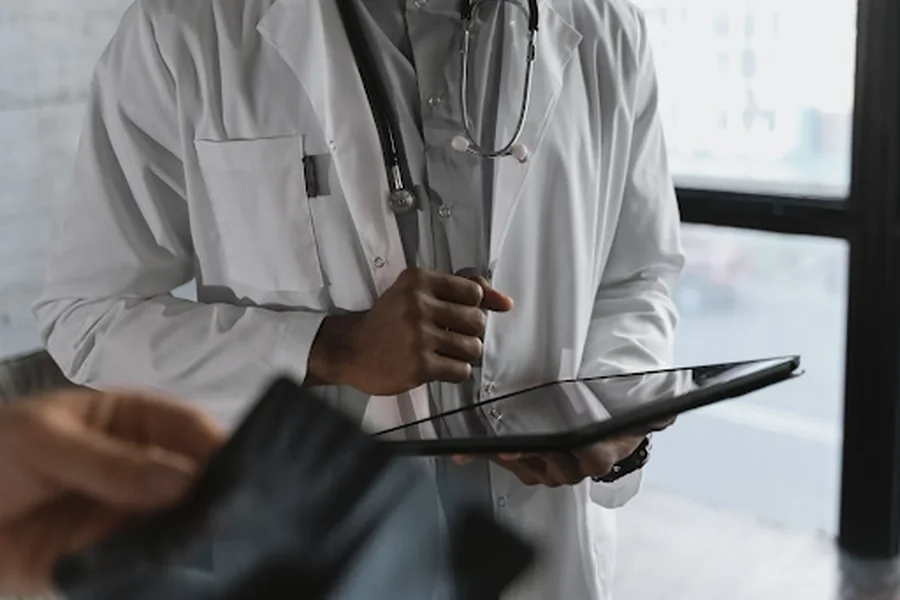
Healthcare and wellness careers are changing faster than ever as hospitals, clinics, and public health organizations respond to new patient expectations and digital innovation. Employers now expect professionals to understand technology, communication, and healthcare operations alongside clinical care. This shift has created new opportunities for individuals who want meaningful and stable careers in the industry. At the same time, it has increased the demand for workers who can adapt quickly to changing healthcare systems and patient needs.
Modern healthcare environments also require stronger collaboration between departments, care providers, and administrative teams. Professionals who continue building their knowledge are often better prepared for leadership opportunities and long-term career growth. Many workers are now seeking flexible education pathways that help them strengthen practical and strategic skills while balancing busy schedules.
The Expanding Skill Set Required in Modern Healthcare
Healthcare organizations increasingly seek professionals who can balance patient-centered responsibilities with operational and strategic demands. As healthcare systems become more complex, employers now expect workers to contribute beyond direct patient care. In addition to clinical expertise, professionals are often expected to communicate effectively, manage teams, and support efficient healthcare operations. These growing expectations have also increased the importance of understanding healthcare policy, organizational management, and data-informed decision-making. Because of these industry changes, many healthcare professionals are recognizing that experience alone may not be enough to remain competitive or qualify for leadership opportunities.
As a result, many professionals are searching for flexible ways to expand their expertise without pausing their careers. Pursuing a Master’s in Health Science online provides an opportunity to build advanced knowledge while continuing to meet current workplace responsibilities. Programs offered by institutions such as Southeastern Oklahoma State University are designed to help working professionals develop leadership, communication, and healthcare management skills that align with current industry demands. Through this type of education, professionals can strengthen their understanding of healthcare management, public health strategy, and organizational leadership.
The Rise of Telehealth and Remote Patient Monitoring
Telehealth has transformed the way patients access healthcare services, especially in rural communities and underserved areas. Virtual appointments allow providers to connect with patients more efficiently while reducing travel barriers and scheduling delays. Remote monitoring tools also help healthcare teams track chronic conditions and patient recovery in real time.
As these services continue growing, healthcare professionals must develop stronger digital communication skills and technical confidence. Providers now spend more time using patient management platforms, wearable health technology, and secure virtual systems. Professionals who understand how to deliver quality care through digital channels are becoming increasingly valuable across healthcare settings.
Data Driven Healthcare and the Growing Role of Health Informatics
Healthcare organizations now rely heavily on data to improve patient outcomes, reduce costs, and strengthen operational performance. Electronic health records, predictive analytics, and digital reporting systems help providers make faster and more informed decisions. This growing dependence on healthcare data has created a strong demand for professionals with informatics and analytical knowledge.
Health informatics also supports better coordination between departments, insurance providers, and patient care teams. Professionals who understand how to organize and interpret healthcare information can contribute to more efficient workflows and stronger patient experiences.
Preventative Care and Community Wellness Are Becoming Priorities
Healthcare systems are placing greater attention on preventing illness instead of only treating existing conditions. Public health campaigns, wellness education, and early screenings now play a larger role in improving long-term patient outcomes. Employers also recognize that preventative care can reduce healthcare costs while improving quality of life across communities.
This shift has created new opportunities for healthcare professionals in schools, wellness centers, and community outreach programs. Nutrition counseling, mental health support, and lifestyle coaching are becoming valuable services within many healthcare settings. Professionals who understand community wellness strategies can contribute to stronger and healthier populations.
Integrative Health and Holistic Patient Care Are Gaining Momentum
Patients increasingly want healthcare experiences that address emotional and mental well-being alongside physical treatment. As a result, healthcare providers are adopting more integrative approaches that combine traditional medicine with wellness-focused support services. Stress management, mindfulness practices, and nutritional guidance have become more common within patient care plans.
Healthcare professionals must also strengthen communication and interpersonal skills to meet these evolving expectations. Patients value providers who listen carefully and consider individual lifestyles, cultural backgrounds, and long-term wellness goals.
AI, Automation, and Emerging Technologies in Healthcare Operations
Artificial intelligence and automation are transforming many daily healthcare operations. Scheduling systems, patient records, and diagnostic tools now rely on advanced technology to improve speed and accuracy. At the same time, tools such as predictive analytics and medical reality simulations are helping professionals improve decision-making, training, and patient care strategies in modern healthcare environments.
As these technologies continue evolving, healthcare professionals must learn how to work confidently alongside digital systems. Organizations increasingly need employees who understand data privacy, healthcare software, and ethical technology practices. Professionals who stay informed about technological advancements are often better prepared to adapt to changing workplace demands and pursue future leadership opportunities in the healthcare industry.
Leadership Skills and Career Strategies for Future Healthcare Professionals
Strong leadership skills are becoming essential across nearly every area of healthcare. Employers value professionals who can manage teams, communicate effectively, and respond calmly in high-pressure environments. Adaptability is also important because healthcare regulations, technologies, and patient expectations continue to change rapidly.
Professionals can strengthen their careers by investing in continuing education, certifications, and digital skill development. Networking, mentorship, and professional training programs also support long-term career growth. Individuals who actively build leadership and management abilities often position themselves for advancement in competitive healthcare environments.
Preparing for Long-Term Success in Healthcare
Healthcare and wellness careers will continue evolving as technology, patient expectations, and public health priorities change. Telehealth, health informatics, preventative care, and integrative wellness are already reshaping how organizations deliver care and manage operations. Professionals who understand these trends can better adapt to future industry demands.
Continuous learning remains one of the most effective ways to stay competitive in this growing field. Healthcare workers who develop leadership, communication, and technology-related skills are more likely to succeed in modern healthcare environments. By staying proactive and informed, professionals can build rewarding careers while making a meaningful impact on patient and community health.
