
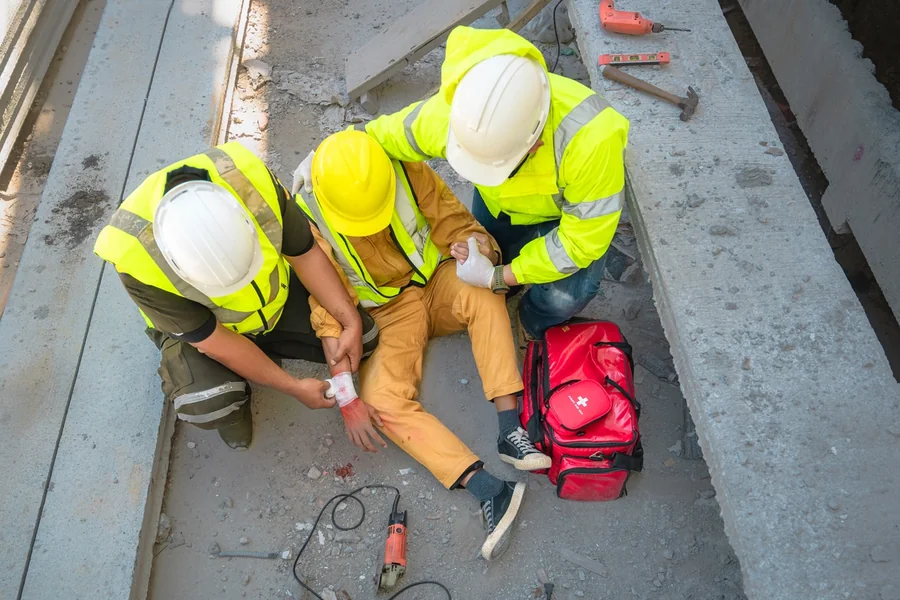
Construction workers across Queens face some of the most physically dangerous working conditions in New York City, especially on active job sites involving scaffolding, heavy equipment, demolition work, electrical systems, and elevated structures. A serious construction accident can leave workers dealing with broken bones, spinal trauma, head injuries, burns, nerve damage, or long-term disability within seconds of a workplace incident. Beyond the physical pain, many injured workers also face lost income, mounting medical expenses, uncertainty about returning to work, and confusion about what legal protections apply under New York law. Construction injury cases are often more complex than ordinary workplace claims because multiple contractors, property owners, subcontractors, or equipment companies may share responsibility for unsafe site conditions.
In many situations, Queens construction site injury legal help becomes important for identifying available workers’ compensation benefits, reviewing potential third-party claims, and determining whether Labor Law violations contributed to the accident. New York labor statutes provide strong protections in many scaffold, ladder, and elevation-related injury cases, but preserving evidence early remains critical. Careful legal guidance can help injured construction workers pursue medical coverage, wage replacement, disability benefits, and additional compensation tied to long-term physical and financial harm after a serious job site accident.
First Steps
Shock, pain, and confusion often follow a fall, a crush injury, or electrical contact, making early decisions especially important. Photographs, witness names, incident reports, and supervisor notices can shape the strength of a case. Access to Queens construction site injury legal help may help an injured worker sort out benefit options, compare legal paths, and decide whether outside parties share fault for unsafe site conditions.
Workers’ Compensation Basics
Most employers in New York must carry workers’ compensation insurance for job-related harm. Eligibility usually does not depend on proving fault, so benefits may begin even when no person acted with intent. Covered workers can receive medical care and partial wage replacement. In exchange, that system usually blocks a direct suit against the employer for pain, suffering, or emotional distress.
Medical Treatment
Covered care may include emergency evaluation, surgery, prescription medication, diagnostic scans, rehabilitation, and follow-up visits. Good records connect symptoms to the site event and show how the body responded over time. Missed appointments can raise questions about severity. Prompt evaluation, accurate symptom reporting, and steady attendance often make a measurable difference in disputed claims.
Wage Replacement
Disability payments often equal two-thirds of the worker’s average weekly wage, subject to state limits. That income support matters when housing, groceries, and transportation expenses continue during recovery. Payroll records, tax documents, and employer wage statements usually determine the amount. Weak paperwork can reduce payments at a time when financial pressure is already high.
Lasting Impairment
Some injuries leave permanent weakness, restricted motion, nerve symptoms, chronic inflammation, or reduced endurance. Once recovery stabilizes, the law may allow scheduled loss awards or continuing disability benefits. Physician findings carry substantial weight during that stage. Range-of-motion testing, work restrictions, and functional assessments often influence the final value of the claim.
Third-Party Claims
Another claim may exist when a person or company outside the employer contributed to the incident. Property owners, subcontractors, delivery firms, or equipment manufacturers may face liability for unsafe conduct or defective products. A civil case can seek damages unavailable through workers’ compensation. That may include pain, diminished enjoyment of life, and loss of future income.
Labor Law 240
New York Labor Law 240 addresses gravity-related hazards on construction sites. Falls from ladders, scaffolds, roofs, or hoists often fall within its reach. Owners and general contractors may face serious exposure when proper safety devices are missing or fail. That protection matters because elevation incidents frequently cause brain injury, spinal trauma, multiple fractures, or fatal harm.
Labor Laws 241 and 200
Labor Law 241 covers safety rules for construction, excavation, and demolition work. Labor Law 200 reflects the duty to maintain a reasonably safe job site. These claims often depend on code violations, inspection history, equipment condition, and control over daily operations. Strong evidence can widen recovery beyond basic insurance benefits.
Evidence and Notice
Time matters after any job site injury. Workers should report the event promptly, identify witnesses, preserve clothing or gear, and keep copies of all forms. Images, treatment notes, and incident records may clarify how the harm occurred. Delay gives insurers room to argue that symptoms came from another event or later activity.
Filing Deadlines
Legal rights do not remain open indefinitely. Notice requirements, benefit filings, and lawsuit deadlines may run on separate calendars. Missing a single date can block recovery, even after a severe injury. Early review of employers, contractors, and incident timing helps protect each available route for compensation.
Immigration Status and Job Role
Immigration status does not erase basic legal protections after a New York construction injury. Day laborers, temporary workers, and many nonunion employees may still pursue benefits or legal claims. Some employers rely on fear or silence after a serious event. The law often looks at the work performed and the hazard involved.
Fatal Accidents
A fatal construction incident creates urgent medical, financial, and family consequences. Surviving relatives may seek death benefits and funeral coverage through workers’ compensation. A wrongful death case may also exist when an outside party caused the event. Lost household income, childcare demands, and future support often require prompt legal review.
Conclusion
An injured construction worker may have rights that extend well beyond an initial insurance filing. Medical treatment, wage replacement, disability awards, and third-party claims can each affect long-term stability. New York labor statutes also provide additional protection in many elevation- and site-safety cases. Fast reporting, careful records, and informed legal guidance give workers the strongest chance to recover the full support the law permits after a serious job injury.

