
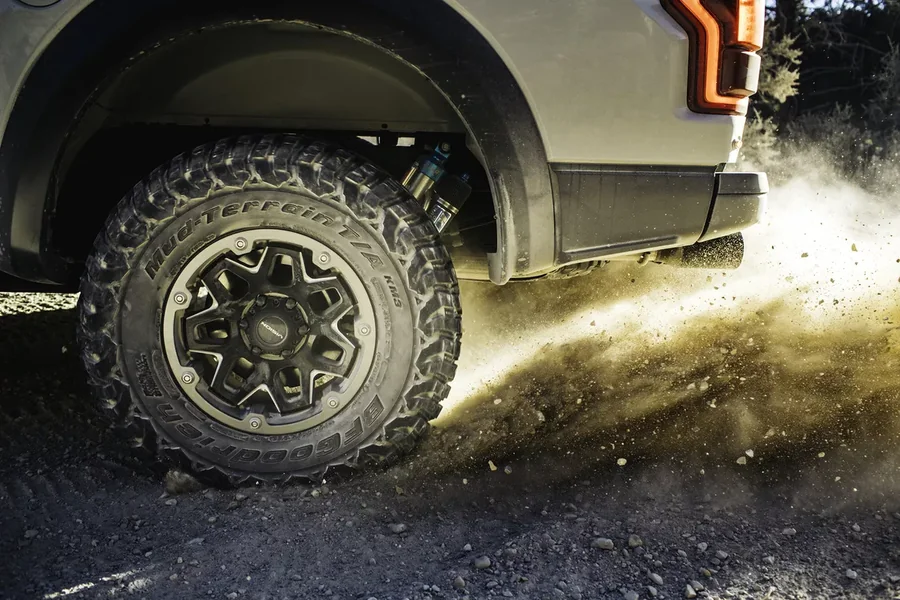
When it comes to building a serious off-road truck or Jeep, few upgrades have a greater impact on performance than the right set of tires. Off-road conditions place enormous demands on traction, durability, and vehicle control, especially when navigating mud, rocks, loose dirt, deep ruts, and uneven terrain. For drivers who regularly push their vehicles into extreme environments, mud-terrain tires remain one of the most trusted and effective choices available.
Unlike standard all-terrain tires that balance highway comfort with moderate off-road capability, mud-terrain tires are engineered specifically for harsh conditions where maximum traction and durability are essential. Their aggressive tread patterns, reinforced construction, and deep voids allow them to perform exceptionally well in environments where less specialized tires struggle to maintain grip.
Many off-road enthusiasts choose high-performance 4×4 tires because they dramatically improve traction, obstacle handling, and confidence on difficult trails. Whether climbing through rocky terrain, powering through thick mud, or navigating washed-out backroads, the right mud-terrain tire can make the difference between getting stuck and continuing forward.
Extreme off-road builds often include multiple supporting upgrades that work together with larger tires. Suspension systems, wheels, bumpers, and recovery equipment all contribute to overall capability. However, tires remain the direct connection between the vehicle and the terrain, making them one of the most important investments for any serious off-road setup.
Mud-terrain tires are especially popular among drivers who participate in rock crawling, overlanding, trail riding, and backcountry exploration. Their ability to maintain traction in changing conditions allows drivers to tackle more technical obstacles while reducing the risk of wheel spin and loss of control. Although these tires can produce more road noise and firmer ride characteristics on pavement, their off-road performance advantages often outweigh those trade-offs for dedicated enthusiasts.
Aggressive Lugs for Maximum Bite in Harsh Terrain
One of the defining features of mud-terrain tires is their aggressive tread design. Large tread blocks and deep voids are engineered to create maximum grip in loose and slippery conditions. Unlike highway or all-terrain tires that prioritize smooth road contact, mud-terrain tires are designed to dig into uneven surfaces and maintain traction where ordinary tires lose effectiveness.
The large tread lugs help create a stronger biting edge when driving through mud, dirt, gravel, and loose rock. This additional grip improves climbing ability, braking performance, and vehicle stability on steep or unstable terrain. Deep tread channels also help clear mud and debris away from the tire, preventing buildup that could reduce traction.
Self-cleaning tread patterns are another major advantage. As the tire rotates, mud and loose material are expelled from the grooves, helping maintain consistent traction even in extremely muddy environments. This feature is especially valuable during trail driving where packed mud can quickly overwhelm standard tire designs.
Wheel selection also plays a role in maximizing tire performance. Many off-road enthusiasts pair aggressive tires with durable jeep rims designed to handle impacts from rocks, ruts, and rough terrain. Strong off-road wheels help support larger tires while resisting bending or cracking under demanding trail conditions.
Another important factor in tire performance is air pressure flexibility. Mud-terrain tires are often designed to perform well when aired down, allowing the tire to create a larger contact patch for improved traction on rocks and soft surfaces. Lower tire pressure also helps the tread conform to uneven terrain, increasing grip and ride comfort during technical off-road driving.
Reinforced Sidewalls for Rocks, Ruts, and Deep Obstacles
Extreme off-road conditions can be extremely punishing on tire sidewalls. Sharp rocks, tree roots, ruts, and debris regularly place tires at risk of cuts, punctures, and impact damage. Mud-terrain tires are specifically designed with reinforced sidewalls to withstand these harsh conditions and provide greater durability on demanding trails.
Reinforced sidewall construction helps protect against punctures while improving the tire’s ability to handle low-pressure driving. Stronger sidewalls also reduce the risk of pinch flats and sidewall tears when navigating rocky terrain or deep ruts. This added durability is especially important for overland travelers and trail drivers who venture far from paved roads or repair facilities.
Sidewall strength also contributes to overall vehicle stability. During off-camber climbs or uneven articulation, reinforced tires help maintain their structure and support the vehicle more effectively. This stability improves driver confidence while reducing the likelihood of tire damage during difficult maneuvers.
Suspension upgrades are often necessary to fully maximize the benefits of larger mud-terrain tires. Many drivers install upgraded jeep suspension systems to improve articulation, increase clearance, and accommodate larger tire sizes. Proper suspension geometry helps maintain handling and ride quality while allowing the tires to perform effectively across a wide range of terrain conditions.
In addition to durability, reinforced sidewalls improve load-carrying capability. Off-road vehicles frequently carry additional weight from recovery gear, roof racks, camping equipment, spare tires, and armor. Stronger tires help support these heavier loads while maintaining consistent performance during long-distance travel and trail use.
Ultimately, mud-terrain tires are built for drivers who demand maximum off-road capability in the harshest conditions. Their aggressive tread patterns, self-cleaning designs, and reinforced sidewalls provide the traction and durability needed for serious trail performance. When combined with the right wheels, suspension upgrades, and supporting components, mud-terrain tires help transform trucks and Jeeps into highly capable machines prepared for extreme off-road adventures.
Why Mud-Terrain 4×4 Tires Are Ideal for Extreme Off-Road Builds
When it comes to building a serious off-road truck or Jeep, few upgrades have a greater impact on performance than the right set of tires. Off-road conditions place enormous demands on traction, durability, and vehicle control, especially when navigating mud, rocks, loose dirt, deep ruts, and uneven terrain. For drivers who regularly push their vehicles into extreme environments, mud-terrain tires remain one of the most trusted and effective choices available.
Unlike standard all-terrain tires that balance highway comfort with moderate off-road capability, mud-terrain tires are engineered specifically for harsh conditions where maximum traction and durability are essential. Their aggressive tread patterns, reinforced construction, and deep voids allow them to perform exceptionally well in environments where less specialized tires struggle to maintain grip.
Many off-road enthusiasts choose high-performance 4×4 tires because they dramatically improve traction, obstacle handling, and confidence on difficult trails. Whether climbing through rocky terrain, powering through thick mud, or navigating washed-out backroads, the right mud-terrain tire can make the difference between getting stuck and continuing forward.
Extreme off-road builds often include multiple supporting upgrades that work together with larger tires. Suspension systems, wheels, bumpers, and recovery equipment all contribute to overall capability. However, tires remain the direct connection between the vehicle and the terrain, making them one of the most important investments for any serious off-road setup.
Mud-terrain tires are especially popular among drivers who participate in rock crawling, overlanding, trail riding, and backcountry exploration. Their ability to maintain traction in changing conditions allows drivers to tackle more technical obstacles while reducing the risk of wheel spin and loss of control. Although these tires can produce more road noise and firmer ride characteristics on pavement, their off-road performance advantages often outweigh those trade-offs for dedicated enthusiasts.
Aggressive Lugs for Maximum Bite in Harsh Terrain
One of the defining features of mud-terrain tires is their aggressive tread design. Large tread blocks and deep voids are engineered to create maximum grip in loose and slippery conditions. Unlike highway or all-terrain tires that prioritize smooth road contact, mud-terrain tires are designed to dig into uneven surfaces and maintain traction where ordinary tires lose effectiveness.
The large tread lugs help create a stronger biting edge when driving through mud, dirt, gravel, and loose rock. This additional grip improves climbing ability, braking performance, and vehicle stability on steep or unstable terrain. Deep tread channels also help clear mud and debris away from the tire, preventing buildup that could reduce traction.
Self-cleaning tread patterns are another major advantage. As the tire rotates, mud and loose material are expelled from the grooves, helping maintain consistent traction even in extremely muddy environments. This feature is especially valuable during trail driving where packed mud can quickly overwhelm standard tire designs.
Wheel selection also plays a role in maximizing tire performance. Many off-road enthusiasts pair aggressive tires with durable jeep rims designed to handle impacts from rocks, ruts, and rough terrain. Strong off-road wheels help support larger tires while resisting bending or cracking under demanding trail conditions.
Another important factor in tire performance is air pressure flexibility. Mud-terrain tires are often designed to perform well when aired down, allowing the tire to create a larger contact patch for improved traction on rocks and soft surfaces. Lower tire pressure also helps the tread conform to uneven terrain, increasing grip and ride comfort during technical off-road driving.
Reinforced Sidewalls for Rocks, Ruts, and Deep Obstacles
Extreme off-road conditions can be extremely punishing on tire sidewalls. Sharp rocks, tree roots, ruts, and debris regularly place tires at risk of cuts, punctures, and impact damage. Mud-terrain tires are specifically designed with reinforced sidewalls to withstand these harsh conditions and provide greater durability on demanding trails.
Reinforced sidewall construction helps protect against punctures while improving the tire’s ability to handle low-pressure driving. Stronger sidewalls also reduce the risk of pinch flats and sidewall tears when navigating rocky terrain or deep ruts. This added durability is especially important for overland travelers and trail drivers who venture far from paved roads or repair facilities.
Sidewall strength also contributes to overall vehicle stability. During off-camber climbs or uneven articulation, reinforced tires help maintain their structure and support the vehicle more effectively. This stability improves driver confidence while reducing the likelihood of tire damage during difficult maneuvers.
Suspension upgrades are often necessary to fully maximize the benefits of larger mud-terrain tires. Many drivers install upgraded jeep suspension systems to improve articulation, increase clearance, and accommodate larger tire sizes. Proper suspension geometry helps maintain handling and ride quality while allowing the tires to perform effectively across a wide range of terrain conditions.
In addition to durability, reinforced sidewalls improve load-carrying capability. Off-road vehicles frequently carry additional weight from recovery gear, roof racks, camping equipment, spare tires, and armor. Stronger tires help support these heavier loads while maintaining consistent performance during long-distance travel and trail use.
Ultimately, mud-terrain tires are built for drivers who demand maximum off-road capability in the harshest conditions. Their aggressive tread patterns, self-cleaning designs, and reinforced sidewalls provide the traction and durability needed for serious trail performance. When combined with the right wheels, suspension upgrades, and supporting components, mud-terrain tires help transform trucks and Jeeps into highly capable machines prepared for extreme off-road adventures.

