
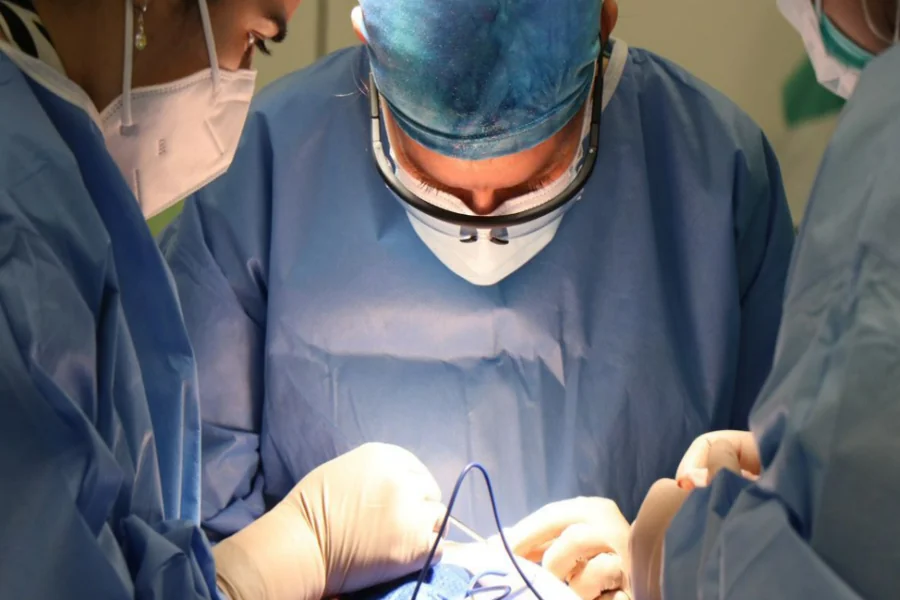
Spine surgery has changed a lot over the years, shifting from just a way to relieve pain to helping people stay active and mobile in the long run. Patients today are not only looking for relief but also for ways to maintain their independence and return to normal movement as quickly as possible. Larry Davidson MD has observed how modern advancements in spine surgery are making it possible to achieve better long-term mobility outcomes than ever before. These changes are driven by improvements in surgical techniques, technology, and recovery planning. As a result, spine care is becoming more focused on preserving quality of life rather than simply addressing symptoms.
The Shift from Traditional Spine Surgery to Modern Techniques
Spine surgery has evolved significantly from older methods that often required large incisions and long hospital stays. Today, modern techniques focus on being less invasive, which helps reduce muscle damage and speeds up recovery for patients. This shift also allows surgeons to be more precise, improving outcomes while making the overall experience easier and less disruptive for patients.
Minimally Invasive Spine Surgery and What it Means for Patients
Minimally invasive spine surgery is a surgical approach that, in practice, involves smaller incisions and specialized tools that can directly reach the spine with minimal disruption to the surrounding muscles and tissues. For patients, this generally means the pain after the operation is alleviated; they may also have a shorter hospital stay and get back to their regular activities more quickly. Besides that, it minimizes the risk of complications during surgery. Because of this, the entire recovery process becomes less of a challenge and is tied to less stress.
Advanced Imaging and Surgical Navigation Tools
Sophisticated imaging and surgical navigation systems provide surgeons with a much clearer, highly detailed picture of the spine during operations. With the help of these devices, surgeons can precisely plan and execute each stage of surgery, thereby dramatically reducing the risk of errors and enhancing safety. From the patients’ perspective, this usually means more accurate spinal alignment, reliable results, and an easier rehabilitation phase.
Motion Preservation Techniques in Spine Care
Motion preservation techniques are designed to keep the spine’s movement as natural as possible rather than limiting it via fusion. Interventions such as disc replacement allow patients to retain flexibility while effectively addressing the root cause of pain or instability. Adopting this method often results in a more natural movement post-recovery and can enhance overall comfort and mobility in the long run.
Better Implant Materials and Surgical Hardware
Modern spine surgery has greatly benefited from improved implant materials that are stronger, lighter, and more biocompatible. These innovations allow the implants to last longer while minimizing the risks of irritation and rejection. From the patients’ perspective, these improvements translate into more durable outcomes, minimal complications, and a diminished likelihood of further interventions.
Rehabilitation and Recovery-Focused Care Plans
Recovery from spine surgery is as important as the surgery itself, so rehabilitation programs are designed to support healing and long-term mobility. These treatment programs enable patients to regain strength step by step, enhance their mobility, and return to their daily activities in a safe, structured manner.
Personalized Recovery Programs
The recovery plan for each patient is personalized based on their specific condition, type of surgery, and overall health. Ensuring progress occurs at a relaxed pace without overexerting the spine is the main goal.
Physical Therapy Support
Physical therapy plays a key role in restoring flexibility, strength, and balance after surgery. Guided exercises help patients regain confidence in movement while reducing the risk of reinjury.
Gradual Return to Daily Activities
Patients are encouraged to gradually reintroduce normal activities as their recovery progresses. This step-by-step approach helps prevent setbacks and supports more stable long-term outcomes.
Ongoing Monitoring and Adjustments
Doctors and care teams closely monitor healing and adjust rehabilitation plans when needed. This ongoing support helps address any issues early and keeps recovery on track.
Long-Term Outcomes and Quality of Life Improvements
The focus of long-term results from updated spine surgery is increasingly on patients’ ability to return to a comfortable, active lifestyle. While surgical effectiveness was previously mainly judged by pain alleviation, physicians are now examining in detail aspects such as freedom of movement, self-sufficiency, and the general standard of living.
Sustained Pain Relief and Function
Many patients achieve long-term relief from nerve pain and mobility problems after undergoing advanced spine surgeries. This positive change frequently enables patients to move around more easily and engage in their daily activities with less pain.
Improved Mobility and Activity Levels
Modern surgical methods offer a higher chance of movement recovery than older methods. This means that one can return to work and do exercises and other activities that are usually beneficial for one’s health without much trouble.
Reduced Need for Repeat Procedures
Thanks to advancements in surgical accuracy and the use of superior materials, the risk of complications or hardware malfunction has been greatly reduced. This way, a large number of patients will not have to be operated on again after the first time.
Enhanced Overall Quality of Life
Beyond physical recovery, many patients report better sleep, mood, and confidence after successful spine surgery. These improvements often contribute to a more active and fulfilling daily life.
The Future of Spine Surgery and Patient Mobility
The future of spine surgery is moving toward even more precise, less invasive, and more patient-centered approaches. According to Larry Davidson, these advancements can not only to treat spinal conditions, but they can also to help patients maintain long-term mobility and an active lifestyle.
Robotic Assisted Surgical Techniques
Certain technology, such as Robot-assisted surgery, is gaining traction in spine operations to enhance precision and reliability. This technology helps surgeons to perform extremely precise movements, resulting in improved alignment and reduced risk of complications.
Regenerative Medicine and Biological Treatments
Work in the field of regenerative medicine seeks to grow or repair damaged spinal tissue. These therapies could, over time, reduce the need for drastic operations by aiding the body’s own reparative mechanisms.
Smarter Imaging and Real-Time Data
Future imaging tools are expected to provide even clearer real-time feedback during surgery. This can help surgeons make faster and more informed decisions while improving overall safety.
Focus on Long-Term Mobility Preservation
Quite perhaps, the future of spine care will favor preserving movement as much as possible to keep our patients leading active lives for as long as possible and enjoying the highest possible standard of life post-treatment.
Why these Advancements Matter for Everyday Patients
Advances in spine surgery are clearly reshaping how patients recover and how they move in the long term, with a stronger focus on precision, safety, and lasting mobility. From minimally invasive techniques to future innovations like robotics and regenerative medicine, the goal is to help patients return to fuller, more active lives. These ongoing improvements reflect the evolving approach to care shared by experts like Larry Davidson MD, where quality of life is just as important as the surgery itself.
