
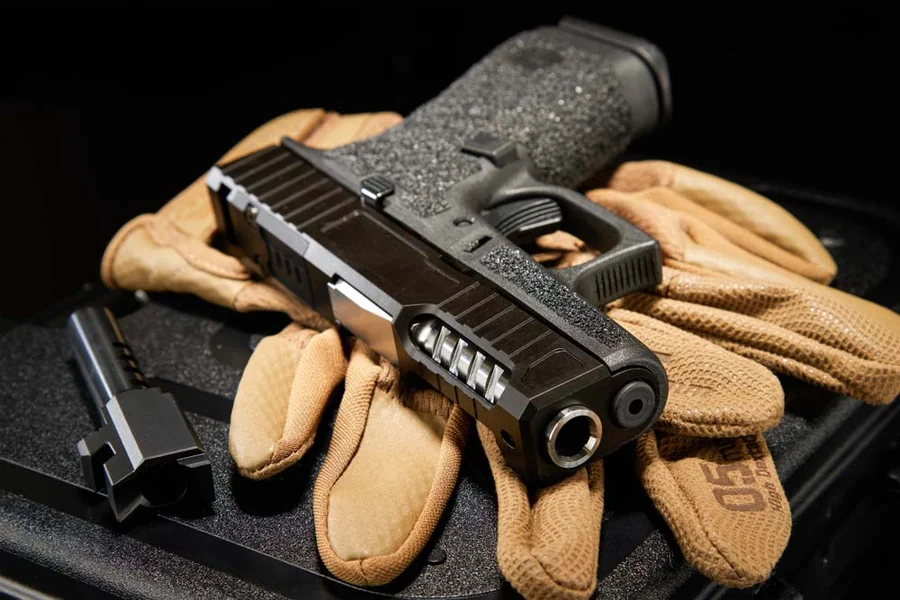
The aftermarket slide market for Sig Sauer pistols has expanded considerably over the past decade. Shooters pursue these upgrades for different reasons, whether for better handling, competition performance, or personal expression. The problem is that not every modification delivers a real-world advantage.
Some parts genuinely change how a pistol performs under pressure, while others are difficult to distinguish from factory components once holstered. Separating the two saves money and prevents unnecessary changes to a reliable platform.
Optics Cuts and Mounting Plates
A direct optics cut remains one of the most defensible slide upgrades available. Shooters evaluating functional components should consider sig sauer gun parts that are built to proper tolerances for their specific host pistol. A slide that fits correctly reduces frame wear and keeps cycling consistent across a broad range of conditions. Rather than stacking an adapter plate between the sight and slide, a machined cut allows the optic to sit lower and more securely on the pistol.
That lower mounting position matters. It brings the red dot closer to the bore axis, which supports more consistent co-witnessing with iron sights and reduces the leverage recoil has on the optic over time.
Mounting Plate Quality Matters
Adapter plates introduce another potential failure point. Under sustained fire, cheaper plates can loosen or shift, affecting zero. A direct-cut slide better serves shooters who depend on their optic for accuracy than a stacked solution does.
Serrations and Grip Texture
Slide serrations have a direct effect on how confidently a shooter can manipulate the firearm. Racking under stress, with gloves, or with wet hands highlights the difference between a well-serrated slide and a smooth one.
Front serrations were once dismissed as decorative, but experienced shooters have come to appreciate them. Press checks and emergency manipulations become more controlled without requiring a full grip shift.
Depth and Pattern
Serration depth involves real trade-offs. Aggressive patterns give better traction but can catch on holster mouths and wear down retention over time. Shallower cuts preserve holster life but may feel slippery in difficult conditions.
Slide Windows and Lightening Cuts
Slide windows generate a lot of attention, but they contribute little functionally for most shooters. A standard P320 slide sits between five and six ounces. Lightening cuts typically shave off less than half an ounce, which produces no perceptible change in cycling behavior at the range.
When Weight Reduction Is Relevant
The calculus changes at higher levels of competition. Shooters chasing split-time improvements in open or limited divisions may find that small reductions in reciprocating mass add up over a match. For carry use or home defense, though, slide windows are cosmetic by any honest measure.
Barrel and Slide Fitment
Treating the slide as an isolated component is where many upgrades go wrong. Installing a match-grade barrel in a sloppy slide significantly reduces the accuracy potential that the barrel was purchased to deliver.
Tight fitment between the slide and frame reduces lateral movement during the firing cycle. That directly affects how consistently the barrel returns to battery, which shows up in group size at distance.
Checking Tolerances
Before committing to any slide and barrel combination, checking the actual fitment is worth the effort. Excessive play between components accelerates wear on both parts and can introduce reliability issues under high round counts or adverse conditions.
Finish and Coating Options
Cerakote, DuraCoat, and nitride finishes each offer meaningful corrosion resistance. The performance gap between them, for typical use, is smaller than marketing often suggests.
Nitride treatments harden the metal itself by penetrating the surface rather than coating it. Cerakote bonds to the exterior, offering a broader range of colors but adding a thin layer that can wear at contact points. For holster-carried pistols, nitride generally holds up better under daily friction.
Aesthetic Appeal vs. Durability
Custom colors have obvious appeal, and there is nothing wrong with wanting a pistol that looks good. Shooters who carry regularly, though, should base their finish selection on how the coating performs against wear rather than how it photographs.
Conclusion
Slide upgrades for Sig Sauer pistols are not equally valuable for all models. Optics cuts, quality serrations, and proper barrel fitment each offer measurable performance improvements that hold up in real use. Lightening cuts and decorative finishes, by contrast, serve the shooter’s preferences more than their capabilities. Taking time to assess what each modification actually changes before purchasing leads to a more reliable and purpose-built firearm rather than one that simply looks the part.