
Brake trouble rarely begins with a dramatic failure. Early changes usually show up as faint squeals, a longer pedal stroke, or extra distance before fully stopping. Many drivers keep using the vehicle because daily braking still feels acceptable. That delay often turns a simple pad job into rotor replacement, fluid flushing, or caliper repair. Wear builds up through heat, friction, moisture, and driving patterns, so timing matters long before a dashboard warning appears.
The Check Most Owners Skip
Brake inspections work best when paired with routine tire rotations, usually every 5,000 to 7,500 miles. During that visit, a technician can measure pad thickness, inspect rotor faces, and look for fluid seepage. Many drivers seeking brake services in Knoxville arrive after noise begins, yet earlier checks often catch thinning friction material before metal contact, heat spots, or disc scoring drives the final invoice much higher than expected.
Pad Life Has a Wide Range
Brake pads rarely wear out on a universal schedule. Vehicle mass, wheel size, route pattern, and pedal pressure all change the result. Many sets last anywhere from 25,000 to 70,000 miles. Stop-and-go travel usually shortens service life because repeated friction raises surface temperature. Highway commuting often stretches that interval. Mileage alone cannot tell the full story without a direct thickness reading.
Rotors Wear Quietly First
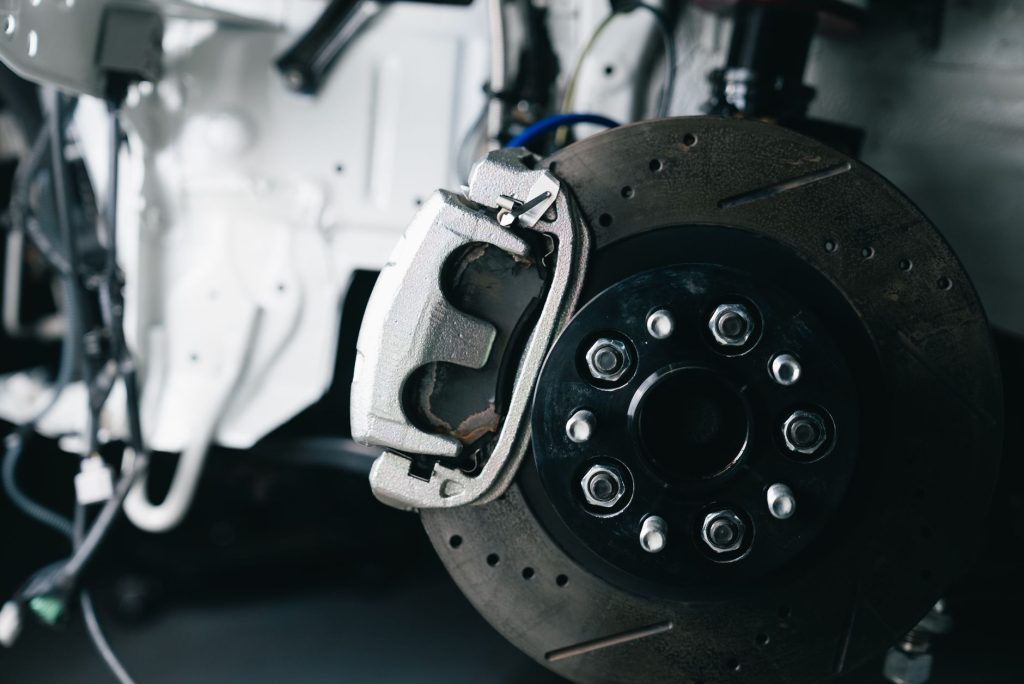
Rotor damage often starts before drivers feel anything serious. A pad worn too thin can let the backing material scrape the disc, leaving grooves and hot spots. Mild pulsation through the pedal may point to uneven rotor thickness or excess heat. Some discs can be machined if enough material remains. Once measurements fall below the safe limit, replacement becomes the proper repair.
Fluid Ages Even Without Heavy Driving
Brake fluid changes over time, even in vehicles driven lightly. The liquid absorbs moisture through seals and hoses, which lowers boiling resistance inside the hydraulic system. Under repeated stops, contaminated fluid can create a softer pedal and reduced consistency. Many service schedules call for replacement every two years. Time matters here because water exposure promotes corrosion inside expensive metal components.
Moisture Changes Performance
Moisture contamination does more than reduce pedal firmness. Water in brake fluid can rust internal passages, damage seals, and interfere with even hydraulic pressure. Those changes may stay hidden until the vehicle faces repeated braking on hills or in dense traffic. At that point, fluid temperature climbs faster, and performance becomes less predictable. A timely flush helps preserve control and protects connected parts.
Calipers and Hoses Need Attention Too
Pads and rotors get most of the attention, yet calipers and hoses often shape the larger bill. A sticking caliper can keep one pad pressed against the disc, creating heat and rapid wear on one side. Aging rubber lines may crack or swell internally. Drivers may notice pulling, a burning odor, or drag after stopping. Those signs deserve prompt inspection.
Small Symptoms Usually Mean Bigger Wear
Brake systems usually warn drivers in small ways first. A squeal may signal wear indicators touching the rotor. Grinding often means friction material is gone, and metal contact has started. A low, soft pedal can point to air leakage or degraded fluid. Vibration during stopping may reflect rotor thickness variation. Each symptom deserves attention before secondary damage spreads through the system.
Driving Habits Change the Timeline
Service intervals shorten under heavier use. Frequent hard stops, steep grades, towing, and dense traffic all raise brake temperature and speed material loss. Sport utility vehicles and trucks may also wear components faster because the mass increases the stopping load. Gentle braking helps reduce thermal stress, but habit cannot stop aging. Regular checks create a service record that reveals unusual wear before cost rises.
Delays Turn Basic Work Into Major Repair
A prompt pad replacement is usually routine and predictable. Waiting too long can add rotors, hardware kits, fluid service, or caliper repair to the same visit. Heat from worn parts spreads stress through nearby components, which raises labor and materials costs. Damage rarely stays isolated once metal contact begins. What looked like a small delay can become a much larger repair.
A Simple Schedule Works Best
Most drivers do not need a complicated plan. Inspections during tire rotations, pad review near 25,000 miles, and fluid replacement around two years cover many common needs. Noise, pulling, vibration, or a soft pedal should move the schedule forward. Written service records make wear patterns easier to compare over time. Clear intervals reduce guesswork and help prevent avoidable expenses.
Conclusion
Brake service gets postponed because early warning signs often seem minor. The vehicle still stops, daily trips continue, and the next appointment feels easy to push back to. That choice can raise repair costs quickly once pads thin enough to damage discs or fluid absorbs too much moisture. Consistent inspections protect safety and budget at the same time. In most cases, the least expensive brake repair is the one handled before symptoms become severe.

