
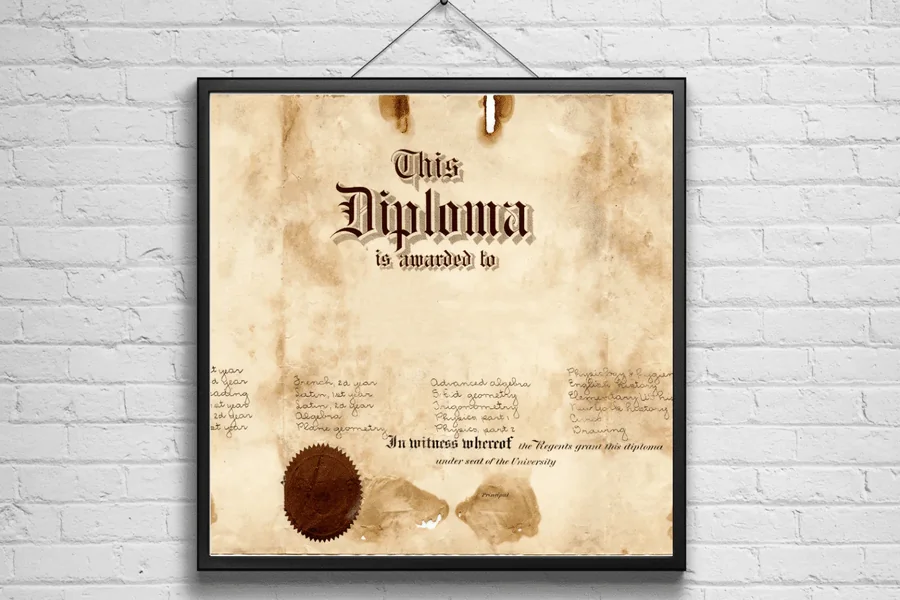
A personalized novelty diploma usually starts with a specific reason behind it. It may be made for a themed shelf, a film prop packet, a gift box, or a private keepsake collection. The piece works better when the design choices match that purpose instead of feeling like random text on a page.
A bachelors diploma for novelty display should reflect the style the buyer has in mind. The degree field, class year, font style, paper type, and holder can all change how the final piece feels. Now, read on to learn how those details come together during the creation of a personalized novelty diploma for display collections.
Choose the Degree Style and Main Details
The process usually starts with the degree style and core text. A bachelor-style format gives the piece a familiar academic structure that works well for framed displays. The name, degree title, institution line, and date help create the main visual story.
Those details should feel connected to the purpose of the collection. A formal display may need a clean academic tone, while a personal keepsake may use a warmer style. The degree field can also reflect a theme, character concept, or display idea.
Select the Paper Size and Paper Type
Paper size has a strong effect on the final appearance. An 8.5″ x 11″ format works well for bachelor-style diploma props and fits many common frames. This size also gives enough space for the name, seal, degree title, and signatures.
Paper type matters because it affects the feel and weight of the piece. Heavier paper can give the diploma a firm, polished quality for display. A clean finish also helps the design look sharper under glass or inside a holder.
Refine Fonts, Seals, and Metallic Elements
Font choice helps set the tone of the entire diploma. Script lettering can give the name a formal look, while serif text can keep the degree and date easy to read. The design should feel balanced, with no section pulling attention away from the whole piece.
Seals and metallic elements can add depth to a bachelors diploma display prop. A seal can act as the visual center, while metallic details can make the page feel richer. These accents work best when they support the layout without making it look crowded.
Add Signatures and Transcript Pairings
Signatures help finish the lower portion of the diploma design. Stock signatures can suit many novelty display projects, while custom signature placement can match a chosen visual style. The signature area should look neat and aligned with the rest of the document.
Some display collections also include a transcript-style companion piece. A transcript can add context when the diploma is part of a themed folder, film prop, or personal archive display. When the two pieces share a similar tone, the collection feels more coordinated.
Review Proofs and Display Presentation
Proof review is an important step before the final piece is produced. It gives the buyer a chance to check names, dates, spacing, degree text, and design details. Presentation choices can also shape the final impression. A diploma holder can make the piece feel ready for a shelf, ceremony-style setup, or gift box.
Personalized novelty bachelor diplomas are created through careful choices that affect style, quality, and presentation. The problem is that a generic design can feel flat in a collection, while a thoughtful one feels personal and complete. With the right design approach, a novelty diploma prop can become a polished piece for display, gifting, or creative use.

